Top
Nepal Targets 24,500 MW Power Generation by 2092/93, Shifts Focus to Domestic Consumption and Exports
Nepal Targets 24,500 MW Power Generation by 2092/93, Shifts Focus to Domestic Consumption and Exports Kathmandu — The government has unveiled an ambitious “Energy Consumption Growth and Export Strategy 2083,” aiming to generate a total of 24,500 megawatts of electricity by the fiscal year 2092/93 through combined investments from the public, private, and government sectors. The strategy marks a significant shift from merely increasing production to ensuring effective domestic consumption and positioning Nepal as a regional energy exporter.
Dipesh Ghimire
3 min read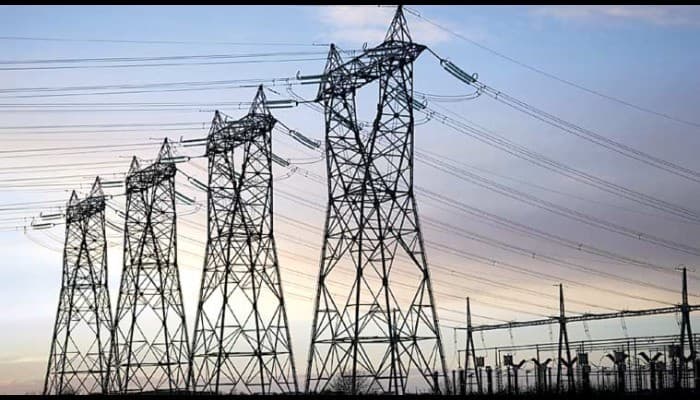
Kathmandu — The government has unveiled an ambitious “Energy Consumption Growth and Export Strategy 2083,” aiming to generate a total of 24,500 megawatts of electricity by the fiscal year 2092/93 through combined investments from the public, private, and government sectors. The strategy marks a significant shift from merely increasing production to ensuring effective domestic consumption and positioning Nepal as a regional energy exporter.
The plan incorporates a wide range of hydropower and solar projects, including those already proposed, under study, under construction, and ready for implementation. Alongside traditional run-of-river projects, the strategy gives notable priority to reservoir and semi-reservoir-based hydropower projects, which are crucial for ensuring year-round energy stability. At the same time, solar energy has been integrated as part of a broader energy mix approach, reflecting Nepal’s intent to diversify its power generation sources.
Among the major projects, the long-discussed Budhigandaki reservoir project, with a capacity of 1,200 MW, has been targeted for completion, although it remains in the preparatory stage despite a finalized investment model. Similarly, projects like the 40 MW Raghuganga hydropower project are nearing completion, while the 140 MW Tanahun project is expected to be completed by 2085/86. These timelines suggest that while smaller projects are progressing steadily, larger strategic projects still face execution challenges.
The strategy outlines a pipeline of mid- to large-scale projects expected to be completed over the next decade. These include Upper Modi A (42 MW), Upper Modi (18.2 MW), Upper Trishuli 3B (37 MW), and the 670 MW Dudhkoshi reservoir project targeted for completion by 2091. Additionally, major export-oriented projects such as Upper Arun (1,061 MW), Nalgad (417 MW), Arun IV (490 MW), and Betan Karnali (439 MW) are scheduled for completion by around 2090, indicating Nepal’s growing focus on large-scale generation for export markets.
Other notable projects include the 210 MW Chainpur Seti, 99 MW Tamakoshi V, 281 MW Naumure, and the 828 MW Uttarganga hydropower project, all prioritized within the national roadmap. The inclusion of these projects highlights the government’s intent to build a diversified and robust generation portfolio that balances domestic demand and export potential.
Solar energy has also been given strategic importance. The Nepal Electricity Authority is set to develop 1,000 MW of solar projects by 2085, while private sector participation will be encouraged through competitive bidding. This move aligns with the broader concept of energy diversification, especially to address seasonal fluctuations in hydropower generation.
In total, government-owned entities and associated companies are expected to deliver around 3,500 MW of capacity, while projects promoted by independent power producers, particularly export-focused ones, are projected to contribute approximately 14,000 MW. This indicates a heavy reliance on private sector participation, making policy stability and investment-friendly regulations critical for achieving the targets.
Beyond generation, the strategy places strong emphasis on transmission and distribution infrastructure. The government plans to construct 14 domestic transmission lines and 10 cross-border transmission corridors to facilitate energy trade. Additionally, underground distribution systems are expected to be completed by 2085, signaling efforts to modernize the grid and improve reliability.
A key pillar of the strategy is increasing domestic electricity consumption. The government plans to promote electric cooking through subsidies, expand EV charging infrastructure nationwide, and encourage the replacement of coal-based boilers with electric alternatives in industries. In agriculture, incentives will be provided to adopt electric irrigation systems, with a long-term goal of transitioning to fully electric irrigation pumps.
The strategy also identifies energy-intensive industries such as fertilizer production, data centers, and green hydrogen as priority sectors. Special electricity tariffs will be introduced to attract investment in these areas, aiming to create a stable demand base for the growing power supply.
Overall, the strategy reflects Nepal’s transition from a power-deficit nation to a potential energy surplus economy. However, its success will depend heavily on timely project execution, efficient transmission infrastructure, and the ability to stimulate domestic demand. Without parallel growth in consumption and export agreements, the risk of surplus energy going underutilized remains a key concern.
Written by
Dipesh Ghimire