Banking Sector Shaken After Police Intervention in Prabhu Bank Case, Jurisdictional Concerns Raised
Author
NEPSE TRADING
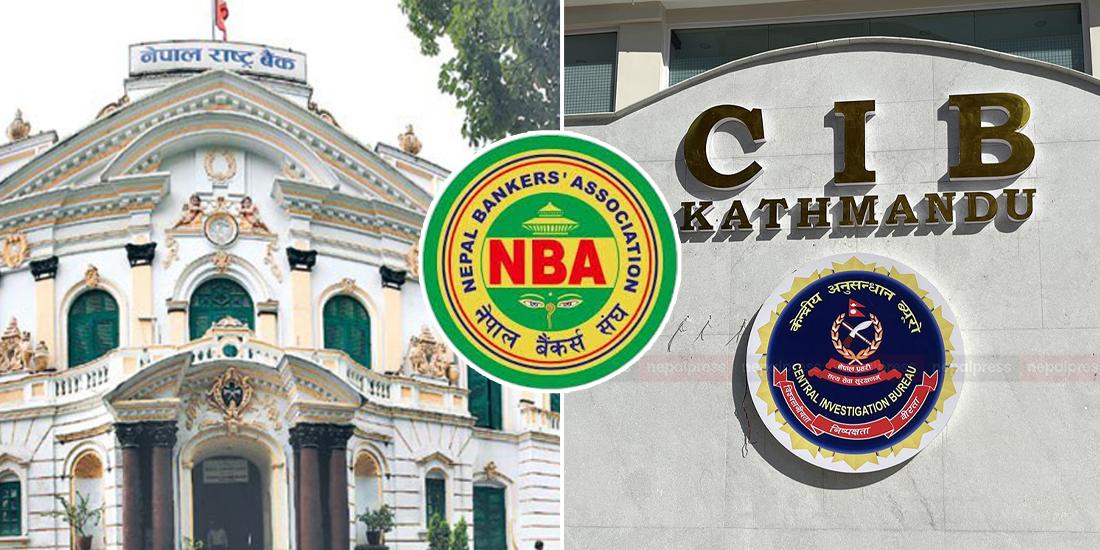
Kathmandu — Nepal’s banking sector has been thrown into turmoil after the Central Investigation Bureau (CIB) of Nepal Police intervened in an alleged financial embezzlement case involving Prabhu Bank, reportedly bypassing the regulatory jurisdiction of Nepal Rastra Bank (NRB).
The controversy escalated two weeks ago when the CIB arrested Prabhu Bank’s Chief Executive Officer Ashok Sherchan, Deputy Chief Executive Officer Maniram Pokhrel, and Chief Risk Officer Rivas Shrestha directly from their offices while investigating allegations of financial misconduct. The arrests without prior consultation or clearance from the central bank have raised serious questions about the role and authority of law enforcement agencies in regulating the banking sector.
Stakeholders argue that police action without the involvement of the banking regulator amounts to an overreach of authority. The CIB’s decision to detain senior bank officials from their workplace has been criticized as a violation of NRB’s regulatory domain, sparking widespread concern across the financial sector.
Banking professionals maintain that banks and financial institutions fall under the supervisory and disciplinary framework of Nepal Rastra Bank, and any investigation into irregularities should primarily be handled by the regulator. They have described the police action as non-judicial and interventionist, warning that such practices could undermine institutional governance.
A senior official of the Confederation of Banks and Financial Institutions Nepal (CBFIN) stated that arresting bank executives from their offices in contravention of NRB’s jurisdiction has severely demoralized banking professionals. He alleged that the CIB acted in a retaliatory manner and warned that such actions have created fear among bank employees and borrowers alike.
According to the official, the situation reflects the weakening authority of the central bank, allowing law enforcement agencies to expand their reach beyond established legal boundaries. This, he said, poses a threat to confidence in the banking system.
The Banks and Financial Institutions Act (BAFIA) 2017 clearly designates the regulator’s role as decisive in matters related to banking irregularities. Against this legal backdrop, the Prabhu Bank case has raised fundamental questions about the intent, process, and legality of the police investigation.
Analysts caution that continued intervention by security agencies without respecting regulatory frameworks could have long-term negative implications for financial stability, institutional autonomy, and investor confidence in Nepal’s banking system.