Government Approves NEA’s Plan to Issue NPR 20 Billion Energy Bond
Author
NEPSE TRADING
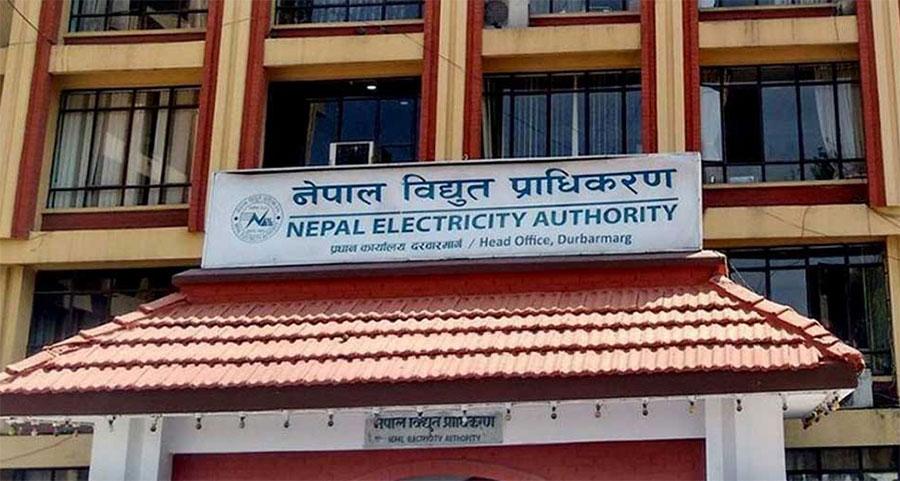
Kathmandu — The Government of Nepal has officially opened the way for the Nepal Electricity Authority (NEA) to issue Energy Bonds worth NPR 20 billion. The decision was made during the Cabinet meeting held on Ashoj 23, allowing the authority to proceed with the bond issuance in phases.
Government spokesperson and Minister for Communication and Information Technology Jagdish Kharel informed that the Cabinet has granted approval for the bond issuance aimed at mobilizing resources for hydropower projects.
“To manage resources for hydropower project construction, the government has decided to grant approval for the phased issuance of Energy Bonds worth NPR 20 billion by the Nepal Electricity Authority,” said Minister Kharel.
According to him, the funds raised through the bond will be used for expanding generation, transmission, and distribution systems, as well as upgrading existing infrastructure across the country’s power sector.
The NEA has been facing funding shortages for its ongoing and upcoming power projects. To address the financial gap and ensure the smooth operation of hydropower development, transmission line construction, and grid expansion, the authority had initiated preparations for bond issuance last year.
During the tenure of then–Executive Director Hitendra Dev Shakya, the NEA had published a white paper outlining its intention to issue Energy Bonds to attract long-term investment in the energy sector. However, the plan could not move forward due to pending government approvals.
The Ministry of Finance had already given its consent to the bond issuance in Ashad (June–July) earlier this year. With the Cabinet’s endorsement now in place, the NEA has officially received the final approval to move ahead with the NPR 20 billion bond program.
According to sources, the NEA is expected to begin the process soon, with the first phase likely involving bonds worth around NPR 5 billion.
The raised funds will be utilized for hydropower generation projects, transmission line expansion, grid modernization, and distribution network upgrades. Officials believe that this initiative will strengthen Nepal’s energy infrastructure and contribute to long-term energy security.
The Energy Bond is also being viewed as a new investment opportunity for the general public, enabling small and institutional investors alike to participate in the development of Nepal’s power sector.