By Sandeep Chaudhary
Balance of Payments and Trade Deficit Impact on Market Fundamentals
The Balance of Payments (BoP) and Trade Deficit are two of the most vital indicators for assessing the strength and sustainability of Nepal’s economy — and they directly affect the fundamental outlook of the Nepal Stock Exchange (NEPSE). These metrics measure how money flows in and out of the country through trade, remittance, tourism, foreign aid, and investment, thereby influencing liquidity, currency stability, inflation, and corporate profitability.
The Balance of Payments represents the country’s financial position with the rest of the world. When the BoP is in surplus, it means Nepal is earning more foreign currency than it spends, usually due to strong remittance inflows, export growth, or foreign aid. A BoP surplus strengthens the Nepalese rupee (NPR), stabilizes inflation, and increases bank liquidity — creating a favorable environment for stock market growth. On the contrary, a BoP deficit indicates that the country is spending more than it earns, leading to reduced foreign reserves and currency depreciation, which can hurt both consumer purchasing power and corporate margins.
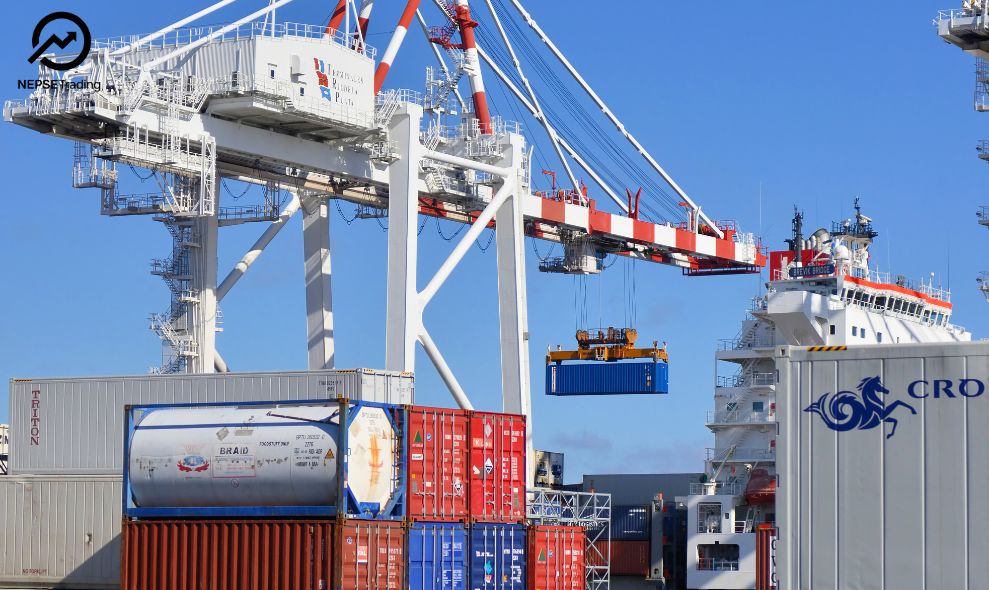
Nepal consistently faces a large trade deficit, primarily because imports far exceed exports. The country imports petroleum products, vehicles, machinery, and manufactured goods, while exports mainly include agricultural and hydropower-related items. This imbalance puts pressure on foreign reserves and raises dependency on remittance inflows to stabilize the current account. When remittance inflows slow down or import bills rise (especially due to global oil prices), it directly strains liquidity in the banking sector, tightening credit availability and affecting the NEPSE market.
A higher trade deficit often leads to weaker corporate earnings for import-dependent industries, rising inflation, and reduced market sentiment. Banking and manufacturing sectors feel the pressure as credit demand falls and non-performing loans rise. Conversely, when the trade gap narrows due to improved exports or higher remittances, market fundamentals strengthen — banks enjoy higher deposits, liquidity improves, and stock valuations recover.
For investors, understanding the BoP and trade trends is crucial in fundamental analysis. A BoP surplus supports stable monetary policy, stronger corporate profits, and better dividend potential. However, a BoP deficit and widening trade gap signal inflation risk, higher interest rates, and weaker investment appetite.
According to Sandeep Kumar Chaudhary, Nepal’s leading Technical and Fundamental Analyst and founder of NepseTrading Training Institute, “Smart investors always analyze the flow of money before analyzing the flow of price. The Balance of Payments tells us where liquidity is heading — and liquidity decides the market’s future.” With over 15 years of banking experience and having trained 10,000+ students, he emphasizes that monitoring BoP trends and trade data from NRB is as essential as studying charts or ratios.