By Sandeep Chaudhary
Broad Money Growth at 12.4% – NRB Highlights Monetary Stability
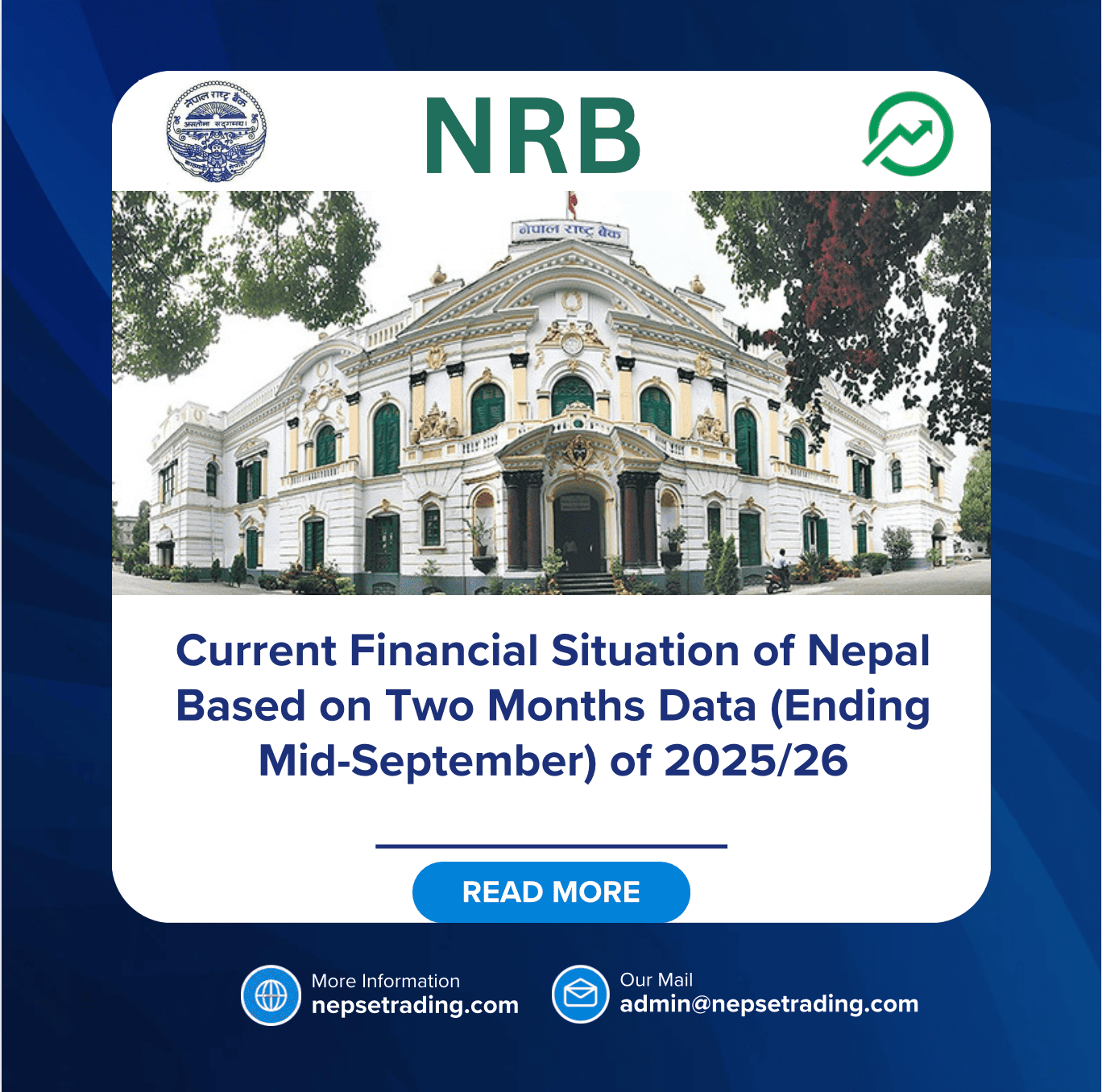
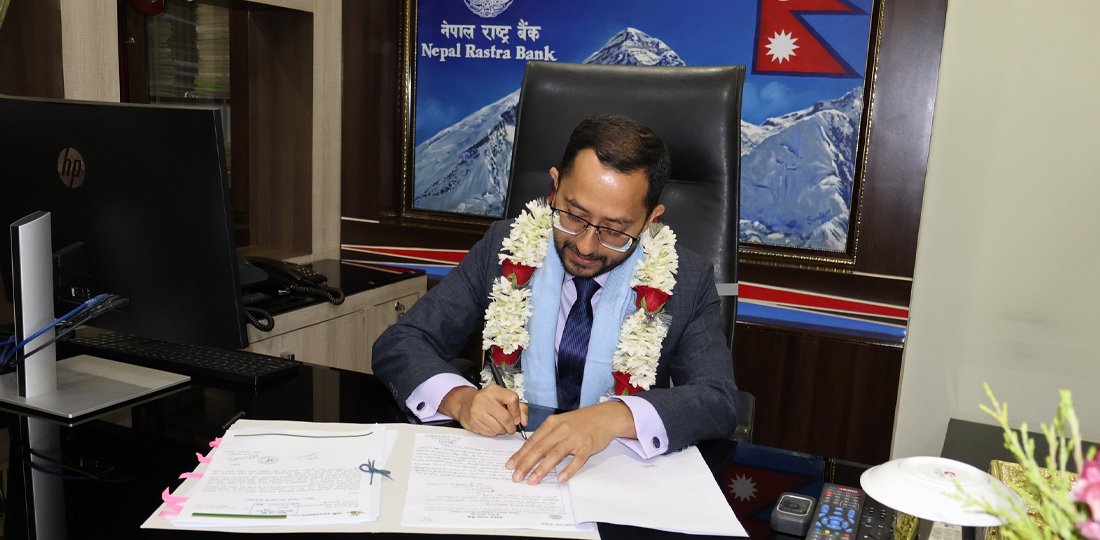
The Nepal Rastra Bank (NRB), in its Mid-September 2025/26 Macroeconomic Review, has reported that Broad Money (M2) grew by 12.4% year-on-year, signaling a period of monetary stability and adequate liquidity in the financial system. The growth in money supply indicates a balanced expansion of the monetary base, reflecting improved financial confidence, stable inflation, and effective liquidity management by the central bank.
According to the report, Narrow Money (M1) — which includes currency in circulation and demand deposits — also rose by 18.2%, a sharp rebound from only 3.6% in the same period last year. This increase suggests rising transaction activity and improving public confidence in the banking system. Meanwhile, Reserve Money, which measures the base liquidity in the economy, grew by 10.1%, ensuring that financial institutions have sufficient resources to support lending and investment activities.
The growth in Broad Money has been supported by the expansion in bank deposits, which rose to Rs. 7.29 trillion, up from Rs. 6.49 trillion a year earlier. Similarly, credit to the private sector reached Rs. 5.54 trillion, reflecting an annual growth rate of 7.3%. Although credit growth remains moderate, it shows signs of gradual recovery in private investment demand following a period of high interest rates and subdued borrowing.
The monetary policy stance during this period has been largely accommodative, with NRB maintaining a careful balance between inflation control and liquidity support. The base rate dropped to 5.72%, while the average lending rate fell to 7.66%, down from double-digit levels in previous years. This has made borrowing cheaper for businesses and consumers, helping stimulate productive sectors such as trade, manufacturing, and construction. Likewise, the deposit rate averaged 3.96%, reflecting ample liquidity in the banking system.
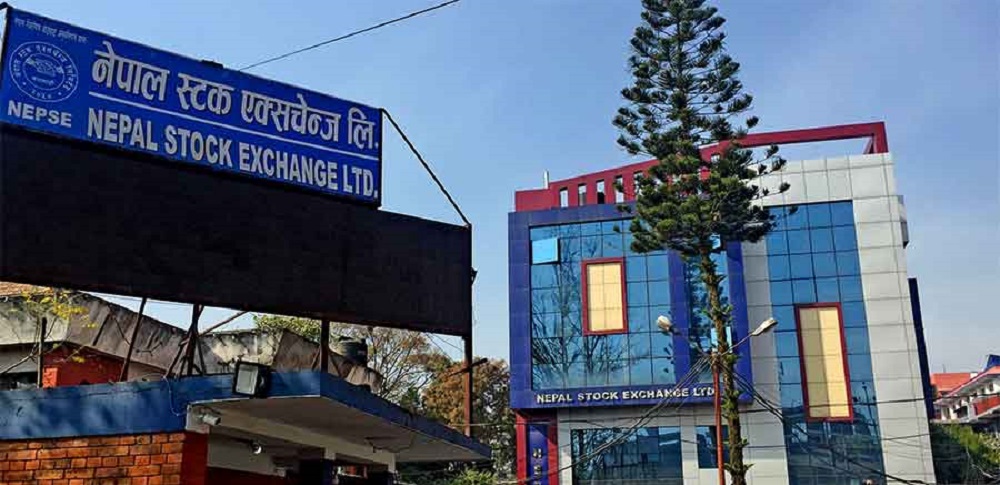
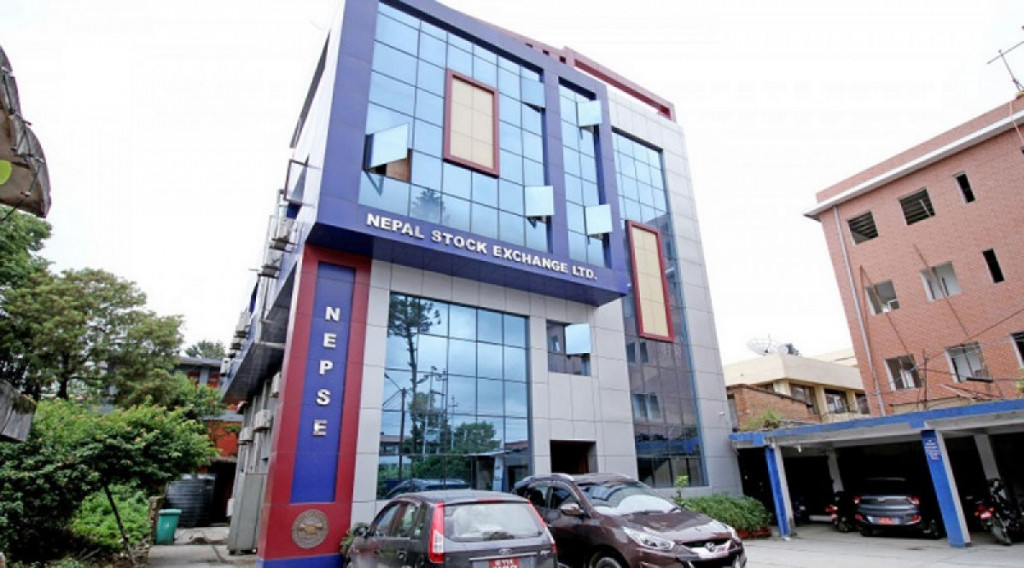
With inflation declining to just 1.87%, the monetary environment remains stable and supportive of sustainable growth. The moderation in interest rates and steady money supply growth have also helped restore confidence in the capital market, as seen in the NEPSE Index, which rose to 2,672 points, with market capitalization now standing at 73.1% of GDP. These indicators collectively underline a period of monetary and financial sector normalization in Nepal.
However, the NRB cautions that the next challenge will be maintaining this stability while ensuring that liquidity continues to flow into productive sectors rather than speculative or unproductive uses. Sustained economic growth will require a fine balance between credit expansion, inflation management, and fiscal discipline.