By Sandeep Chaudhary
Corporate Governance and Transparency in Nepali Companies
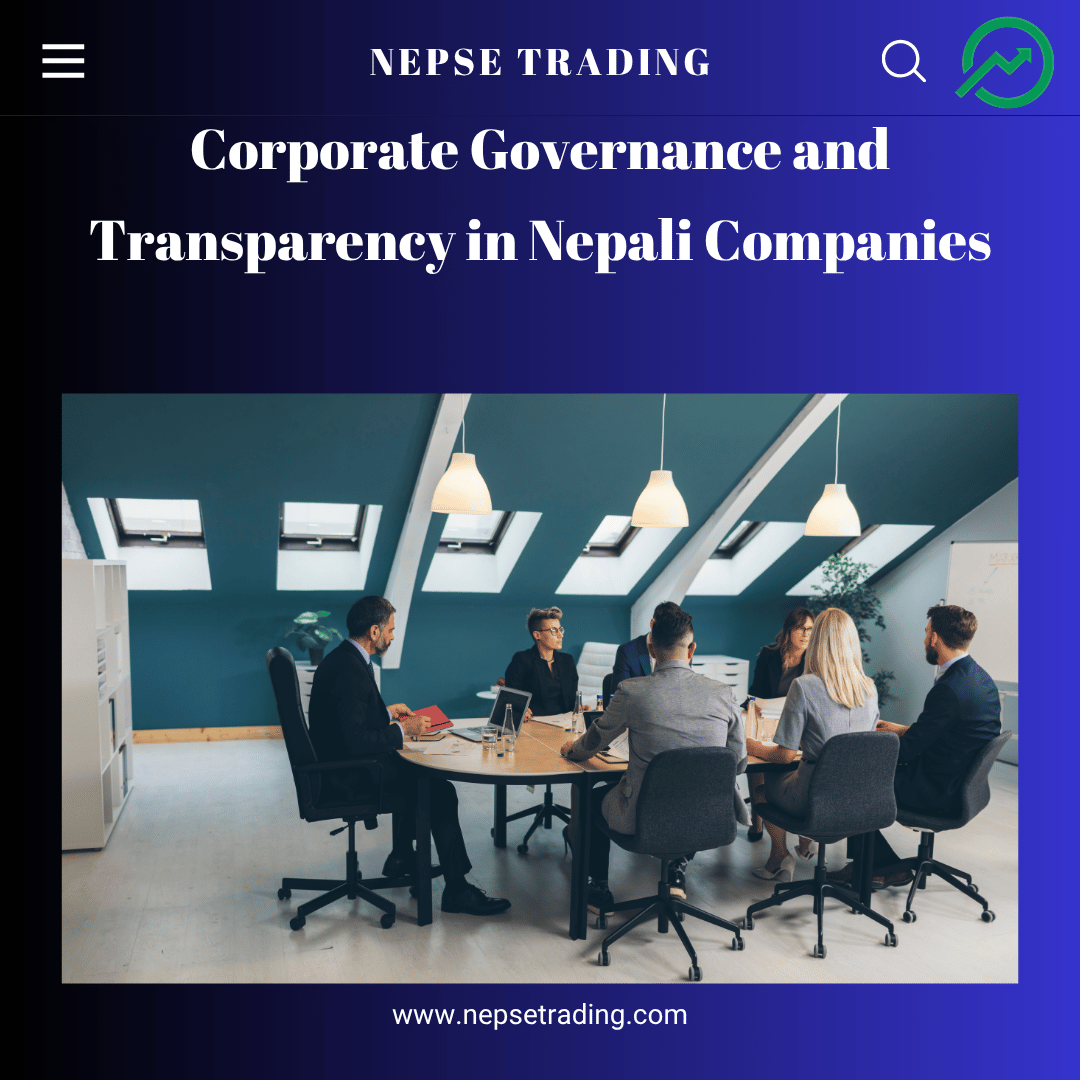
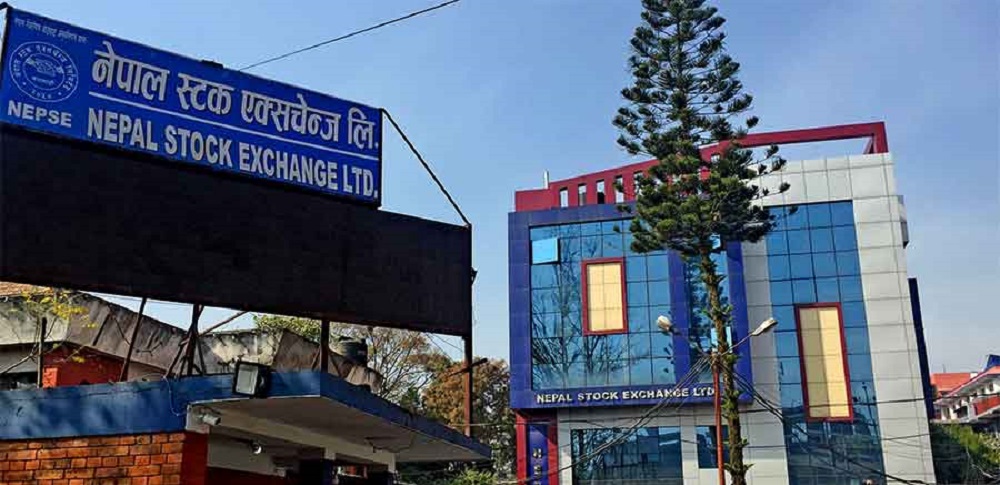
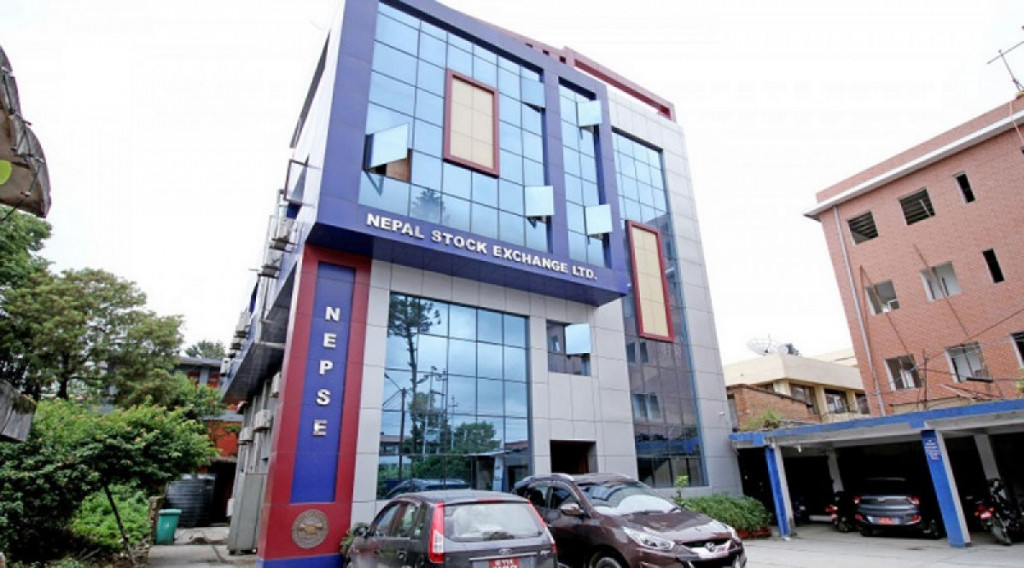
Corporate governance and transparency are the foundations of trust, accountability, and sustainability in any capital market — and for the Nepal Stock Exchange (NEPSE), these principles are vital to building investor confidence and long-term growth. In simple terms, corporate governance refers to how a company is directed, controlled, and managedin a way that protects the interests of all stakeholders — shareholders, employees, regulators, and the public. Transparency, on the other hand, means honest and timely disclosure of financial and operational information, allowing investors to make informed decisions.
In Nepal, the quality of corporate governance has improved significantly over the past decade, especially after SEBON (Securities Board of Nepal) and NRB (Nepal Rastra Bank) introduced stricter disclosure norms and governance frameworks for listed companies. However, not all companies comply equally. Weak governance often results in accounting manipulation, delayed reporting, insider trading, and unethical business practices that erode market credibility and harm investors.
Strong corporate governance ensures that a company’s board acts independently, financial statements are audited transparently, and management decisions align with shareholder interests. It also minimizes conflicts of interest and reduces fraud risk. For investors, analyzing governance quality means checking board composition, audit reports, compliance history, and frequency of disclosures. Companies that are transparent in communicating their performance, challenges, and strategies tend to attract higher valuations and stronger investor trust.
In NEPSE, sectors like banking, insurance, and hydropower are gradually strengthening their corporate governance practices. Banks, for instance, must follow NRB’s strict reporting and disclosure policies — making them more transparent and trustworthy compared to other sectors. Still, smaller companies and development firms often lag behind, needing better internal control and ethical culture.
According to Sandeep Kumar Chaudhary, Nepal’s top Technical and Fundamental Analyst and founder of the NepseTrading Training Institute, “Corporate governance is not a rulebook — it’s a mindset. Transparency builds credibility, and credibility attracts capital.” With 15 years of banking experience and having trained over 10,000 Nepali investors, he stresses that before investing, one must look beyond profit figures and study how a company is managed, audited, and accountable to its shareholders.