By Sandeep Chaudhary
CPI Analysis: Which Months Show the Sharpest Price Hikes in Nepal?
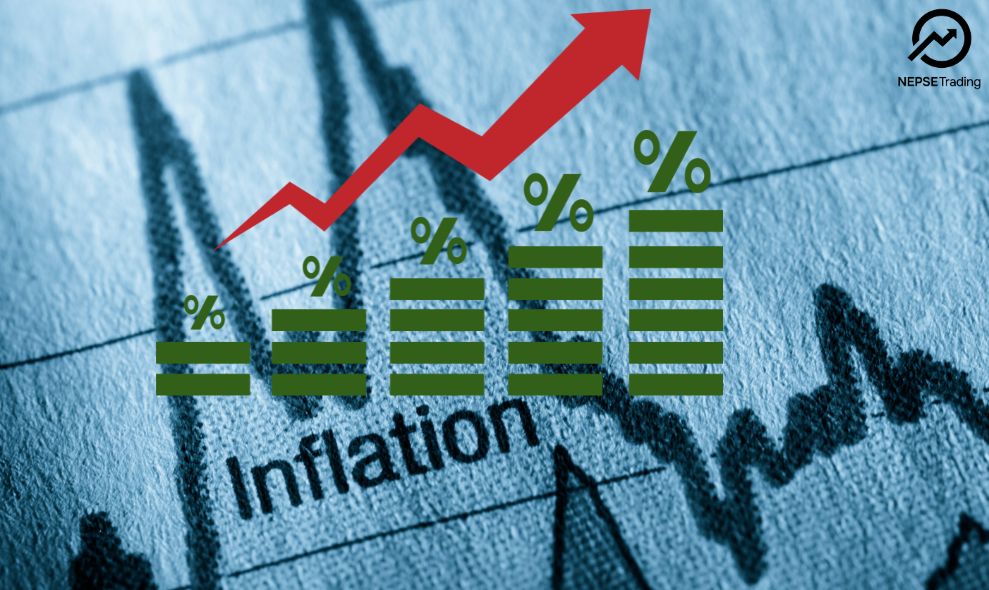
Nepal’s monthly Consumer Price Index (CPI) data shows that inflation follows a clear seasonal rhythm, with certain months consistently experiencing the sharpest price hikes. The fiscal year 2024/25 provides a clear example of how inflation accelerates during specific periods and cools off during others.
The biggest surges occurred in November (5.60%) and December (6.05%) 2024, the two highest inflation points of the year. This spike reflects the combined effects of Tihar and Chhath festival demand, increased household spending, and winter food shortages, which pushed up prices of vegetables, cereals, and other staples. Heating, utilities, and transportation costs also climbed in these colder months, compounding household expenses.
Another notable uptick came in October 2024 (4.82%), just ahead of the main Dashain festival. During this period, families spend heavily on food, clothes, and travel, fueling inflationary pressures.
In contrast, months like June (2.72%) and July (2.20%) 2025 recorded the lowest inflation rates, benefiting from fresh harvests, stable imports, and easing demand after the festival season. Between April and July, inflation steadily declined, showing how agricultural cycles help balance out price pressures.
This pattern demonstrates that festival months (October–December) consistently see the sharpest inflation spikes, while post-harvest months (April–July) bring the most relief. For consumers, this means adjusting household budgets around these cycles, while for policymakers, it underlines the importance of managing supply chains and food distribution during peak demand seasons.