By Sandeep Chaudhary
Development Bonds Dominate Nepal’s Domestic Borrowing with Rs 943.7 Billion Outstanding – NRB Report
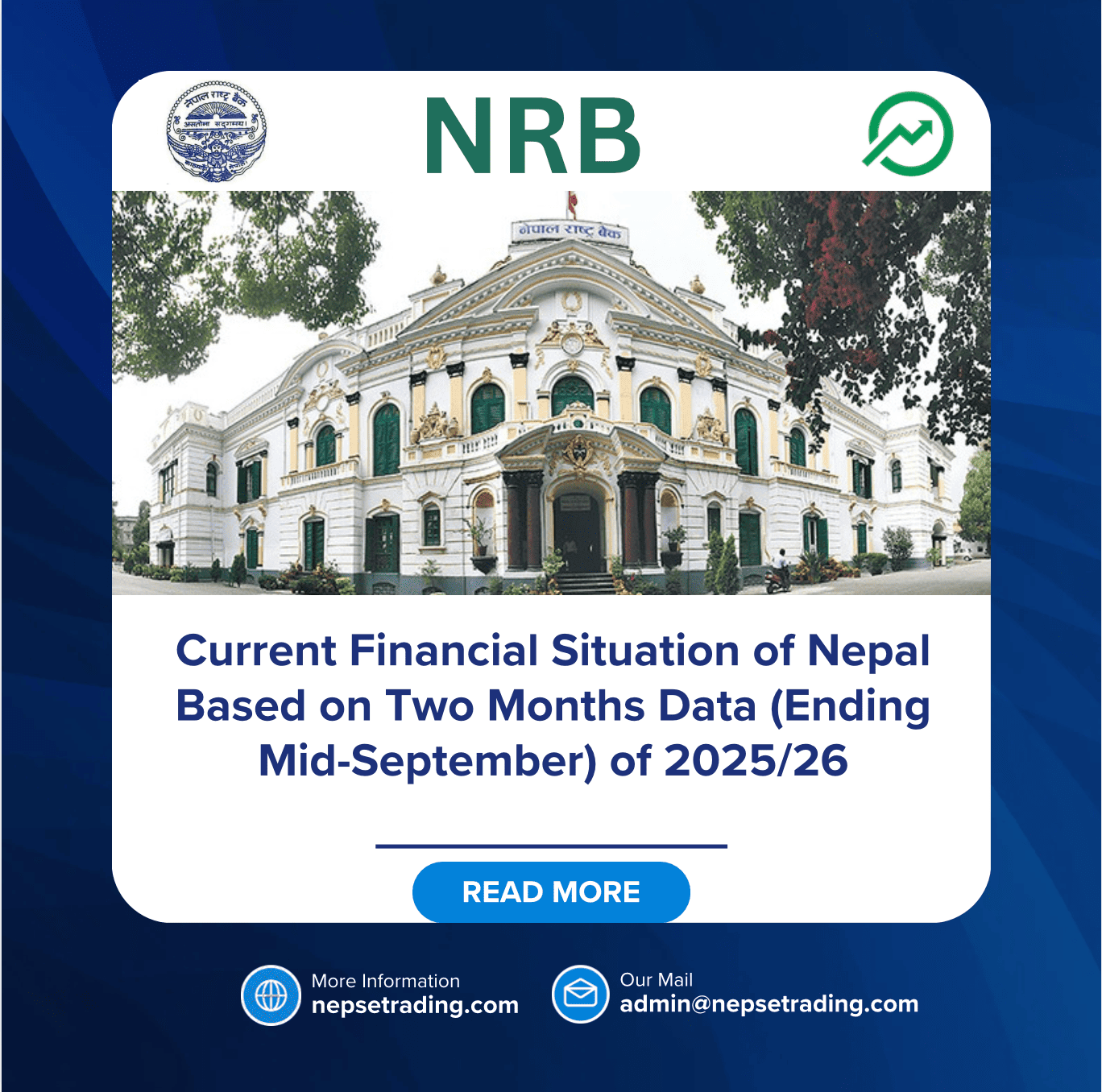
Development bonds have become the backbone of Nepal’s domestic borrowing structure, reaching an outstanding total of Rs 943.7 billion by mid-September 2025, according to the latest data from the Nepal Rastra Bank (NRB). The report on Outstanding Domestic Debt of the Government of Nepal (GoN) shows that these long-term instruments now account for the largest share of total domestic debt, underscoring the government’s preference for sustainable, longer-maturity financing amid tight fiscal conditions.
The outstanding stock of development bonds increased by Rs 70 billion year-on-year, rising from Rs 873.8 billion in mid-July 2025 to Rs 943.76 billion in mid-September. This growth reflects the government’s strategy to rely more on stable debt instruments to finance infrastructure projects and budgetary gaps while minimizing short-term refinancing risks.
Commercial banks remain the dominant investors, holding Rs 770.3 billion worth of development bonds, equivalent to over 80% of total bond holdings. Development banks and finance companies hold Rs 86.9 billion and Rs 16.5 billion, respectively, while other institutional and individual investors account for Rs 61.2 billion.
By contrast, the volume of treasury bills, typically used for short-term liquidity management, declined sharply by Rs 56.4 billion to Rs 319.1 billion—indicating a shift from short-term borrowing toward more stable, long-term financing instruments.
The NRB data further shows that Nepal’s total domestic debt stood at Rs 1.27 trillion, marking a net increase of Rs 13.6 billion from mid-July 2025. Among all debt categories, development bonds contributed the largest share (around 74%), reinforcing their growing role in the government’s debt management framework.
Economists note that the rise in long-term bond holdings is a positive indicator for fiscal discipline, as it helps distribute repayment obligations over an extended period and supports capital market development. However, they caution that high reliance on the banking sector for financing could constrain credit availability for private investment if borrowing continues to rise unchecked.
The NRB has emphasized the need for diversifying debt ownership and expanding non-bank participation, including citizen savings bonds and public investment instruments, to ensure long-term sustainability of Nepal’s domestic debt portfolio.