By Sandeep Chaudhary
Education Costs Surge 7.67%: What’s Driving Non-Food Inflation in Nepal?
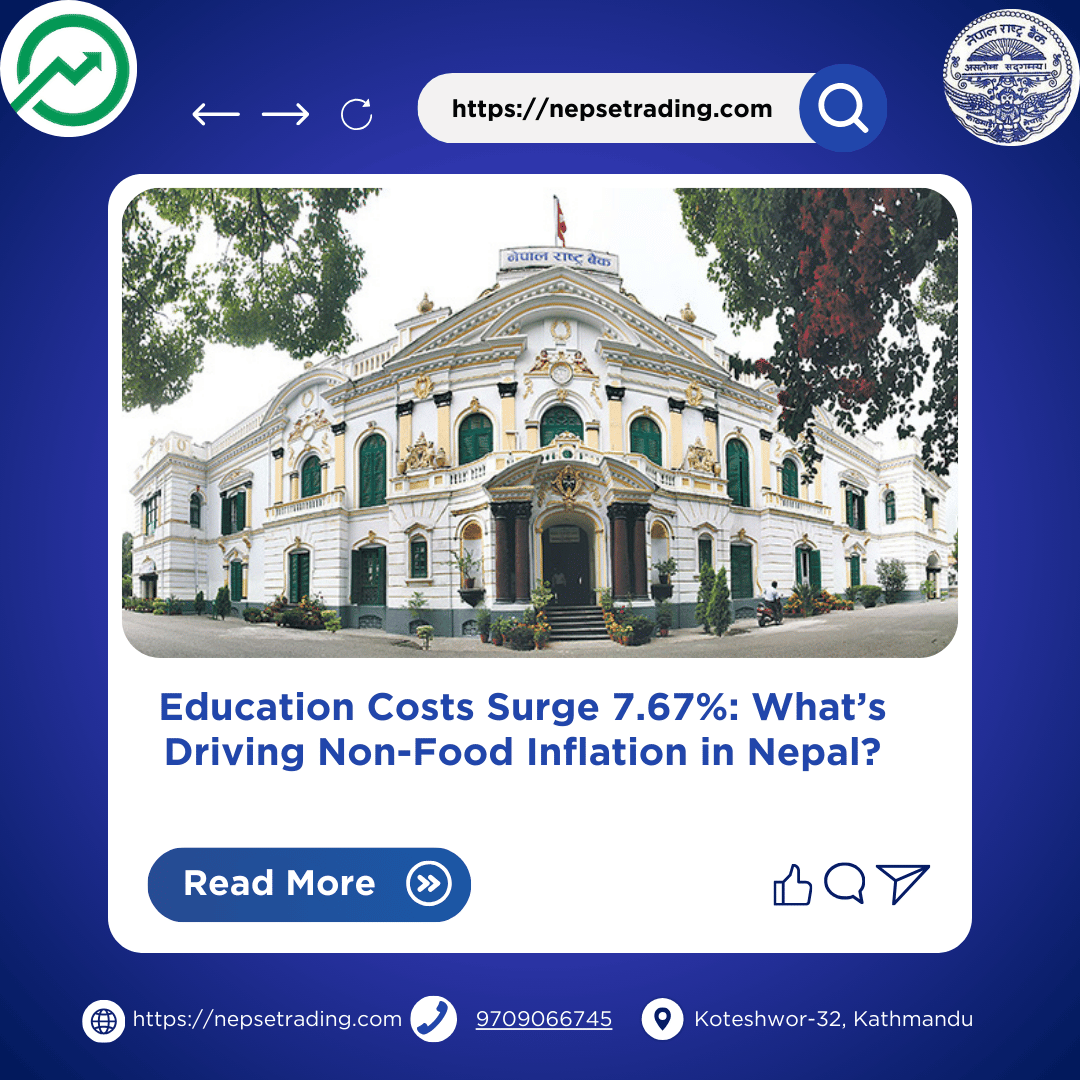
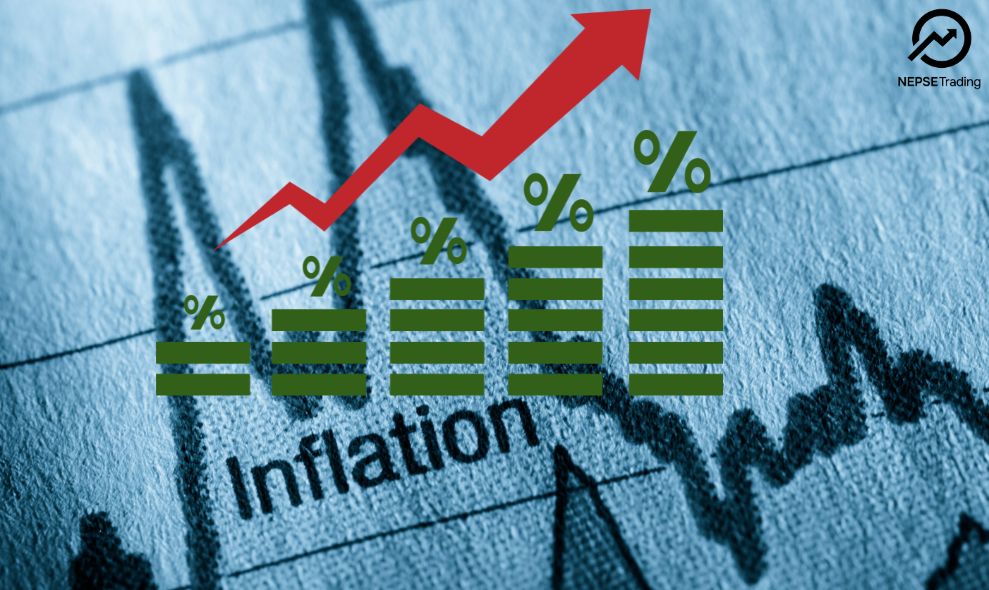
The latest mid-month CPI data for July–August 2025/26 reveals that while food inflation declined due to falling vegetable prices, non-food and services inflation rose sharply by 3.95% overall. One of the biggest contributors was the education sector, which registered a steep 7.67% annual increase in costs. This trend was even more pronounced in rural areas, where education inflation hit 10.40%, compared to 7.29% in urban centers. The rising burden of schooling expenses is becoming a key driver of household financial strain in Nepal.
The reasons behind this surge are multi-dimensional. Firstly, private schools and colleges—especially in urban areas—have significantly raised tuition fees, often citing higher operational costs such as teacher salaries, rent, and infrastructure upgrades. Secondly, the cost of stationery, textbooks, uniforms, and digital learning materials has risen in line with broader inflation in imported goods. The depreciation of the Nepali rupee against foreign currencies has further increased the price of imported educational materials.
In rural areas, the sharp rise in education costs is partly due to limited availability of quality institutions, which forces families to spend more on transport, boarding, or even moving children to urban centers. The increasing popularity of private and community schools, combined with weak regulatory oversight, has also allowed institutions to pass on costs directly to parents.
Alongside education, other non-food categories also contributed to inflation. Clothes and footwear (+6.84%), miscellaneous goods and services (+10.60%), and housing & utilities (+1.02%) all added pressure. Together, these increases highlight how non-food inflation is now a bigger threat to consumer budgets than food inflation, which fell overall due to a dramatic 18.56% crash in vegetable prices.
For households, the impact is clear: while food baskets may feel lighter on expenses this season, the costs of sending children to school, maintaining households, and paying for essential services continue to rise. This shift signals a structural inflation challenge, where service-sector costs are becoming the new driver of Nepal’s cost of living.