By Sandeep Chaudhary
Fixed Deposits Decline While Call Deposits Surge 8.8% Among Financial Institutions

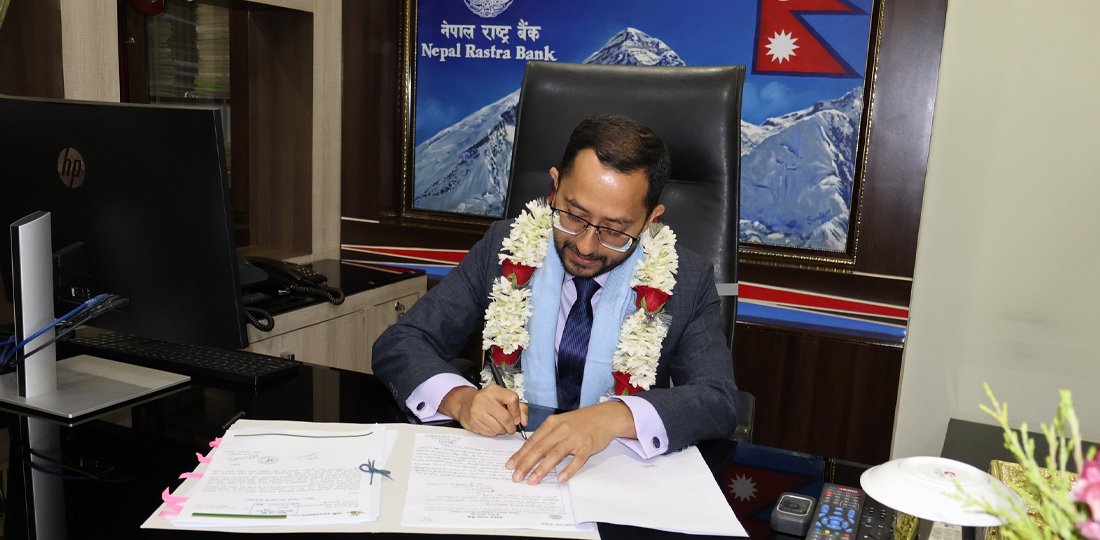
Nepal’s financial institutions are witnessing a structural shift in their deposit composition, as per the Other Depository Corporation Survey (Mid-Month, August 2025) released by Nepal Rastra Bank (NRB). The data shows that fixed deposits— traditionally the largest and most stable funding source for banks — fell by Rs. 21.36 billion (−0.6%) in one month, while call deposits surged by Rs. 45.6 billion (8.8%) during the same period.
The decline in fixed deposits indicates that both households and businesses are increasingly prioritizing liquidity over long-term savings. Residential fixed deposits dropped by Rs. 21.6 billion (−0.6%), reflecting cautious investor sentiment amid fluctuating interest rates and uncertainty in the broader economy. Analysts suggest that depositors are opting for shorter-term or more flexible instruments as they anticipate potential rate adjustments or better returns from alternative investments like government bonds or capital markets.
Conversely, the strong rise in call deposits — particularly among institutional investors — highlights a growing preference for flexibility and immediate access to funds. Corporate and government-related entities appear to be parking large sums temporarily in call accounts, taking advantage of short-term yield differentials offered by banks competing for liquidity.
This trend underscores the liquidity-sensitive nature of Nepal’s financial sector in 2025. With interest rate volatility, fiscal adjustments, and upcoming festival-related spending expected to influence deposit behaviors, the balance between long-term stability and short-term liquidity has become increasingly delicate.
Overall, the data suggests a gradual rebalancing within Nepal’s deposit market: long-term savings are slightly weakening, while short-term liquidity preferences are gaining traction — a pattern often seen during transitional economic phases.