By Sandeep Chaudhary
Foreign Reserves to GDP Ratio Improves as NRB and Commercial Banks Boost USD Assets
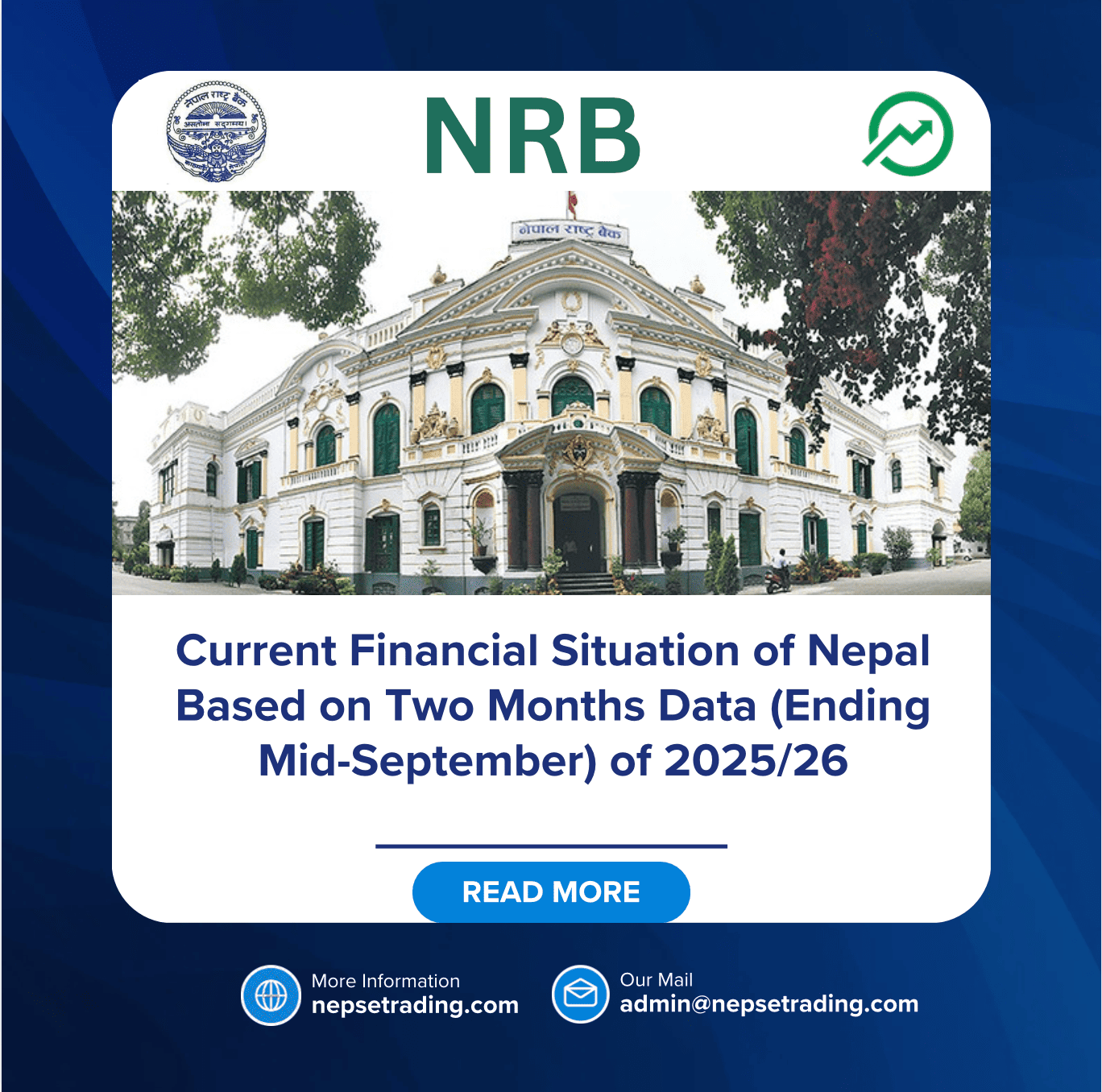
Nepal’s foreign reserves-to-GDP ratio has shown a notable improvement in 2025/26, reflecting the combined impact of rising foreign exchange reserves and growing USD-denominated holdings by both the Nepal Rastra Bank (NRB) and commercial banks. According to the NRB’s Mid-September 2025 report, the ratio increased to 47.2%, up from 43.8% in mid-July 2025 and 35.2% a year earlier, signaling a strengthened external position and improved financial stability.
The report indicates that Nepal’s gross foreign assets reached a record USD 21.53 billion, marking a 4.8% increase in just two months. Within this, foreign exchange reserves rose to USD 20.41 billion, up 4.7%, with convertible reserves—the portion usable for trade and international settlements—climbing 5.5% to USD 15.82 billion, and inconvertible reserves rising 2% to USD 4.59 billion. This rise pushed Nepal’s import cover to nearly 16 months for goods and services and 20 months for merchandise imports, highlighting one of the most stable external buffers in South Asia.
The NRB’s own foreign assets totaled USD 19.42 billion, while commercial banks and financial institutions increased their holdings by 10.6% to USD 2.12 billion. This diversification and accumulation of USD assets within the domestic banking system contributed significantly to the overall improvement in the reserves-to-GDP ratio. The Net Foreign Assets (NFA) of the banking sector rose 5.2%, reaching USD 20.42 billion, while foreign liabilities declined by 2.4%, further boosting the external surplus.
Economists attribute this improvement to consistent remittance inflows, a rebound in tourism receipts, and effective liquidity management by NRB. The report also cites valuation gains due to a gradual depreciation of the Nepali rupee—averaging Rs 141.14 per USD by mid-September 2025—which enhanced the rupee value of foreign assets. The central bank’s cautious monetary policy and growing coordination with commercial banks have helped maintain external liquidity without exerting pressure on the domestic credit market.
However, experts emphasize that to maintain long-term sustainability, Nepal must channel these foreign reserves into productive investment, strengthen export competitiveness, and ensure exchange rate stability. While the growing reserve levels indicate macroeconomic health, they caution that continued reliance on remittances and low exports could pose future vulnerabilities.