By Sandeep Chaudhary
From 7.74% to 1.68%: Nepal’s Year-on-Year Inflation Decline Explained
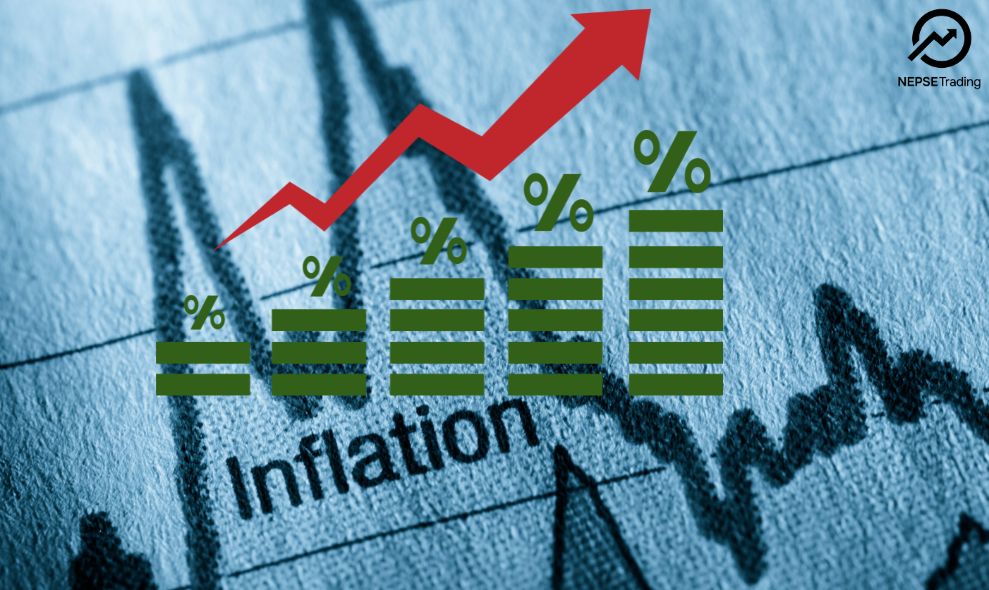
Nepal’s latest CPI data for August 2025/26 highlights a remarkable slowdown in inflation. The year-on-year CPI growth has dropped to 1.68%, the lowest in four years, compared to 7.74% in 2022/23, 5.44% in 2023/24, and 4.06% in 2024/25. This steady decline signals that while consumers are still dealing with rising non-food expenses, the overall inflationary environment has eased considerably.
In 2022/23, inflation averaged 7.74%, fueled by global commodity price hikes, supply-chain disruptions, and domestic food shortages. Households faced steep increases in food staples, fuel, and imported goods. By 2023/24, inflation slowed to 5.44% as food prices stabilized and global energy costs eased, but non-food sectors such as housing, education, and healthcare continued to push living costs higher.
The downward trend continued in 2024/25, with CPI growth averaging 4.06%, reflecting improved domestic food supply and relatively stable import prices. Monthly data showed inflation falling from above 5% in the winter to just 2.20% by July 2025, showing how food prices became the main driver of disinflation.
Finally, in August 2025/26, year-on-year inflation fell further to 1.68%, largely because of falling or stable food costs, particularly in cereals, vegetables, and seasonal produce. However, non-food and services remain structurally higher, with rising costs in housing, health, utilities, and education. This means Nepal’s inflation is shifting away from food-driven shocks toward service-driven pressures, which could become a long-term policy challenge.
For consumers, the current slowdown provides relief in essential groceries, but the burden of rising service costs means household budgets remain stretched. For policymakers, the challenge lies in sustaining low inflation without dampening economic activity, while addressing structural bottlenecks in services.