#NepalEconomy #GarmentImports
Garment Imports Decline by 18%: Changing Trends in Nepal’s Clothing Market
Readymade garment imports dropped by 18.3% in 2025/26, reflecting rising local production, second-hand fashion trends, and weaker purchasing power. Nepal’s clothing market is shifting toward affordability, sustainability, and homegrown brands.
Sandeep Chaudhary
1 min read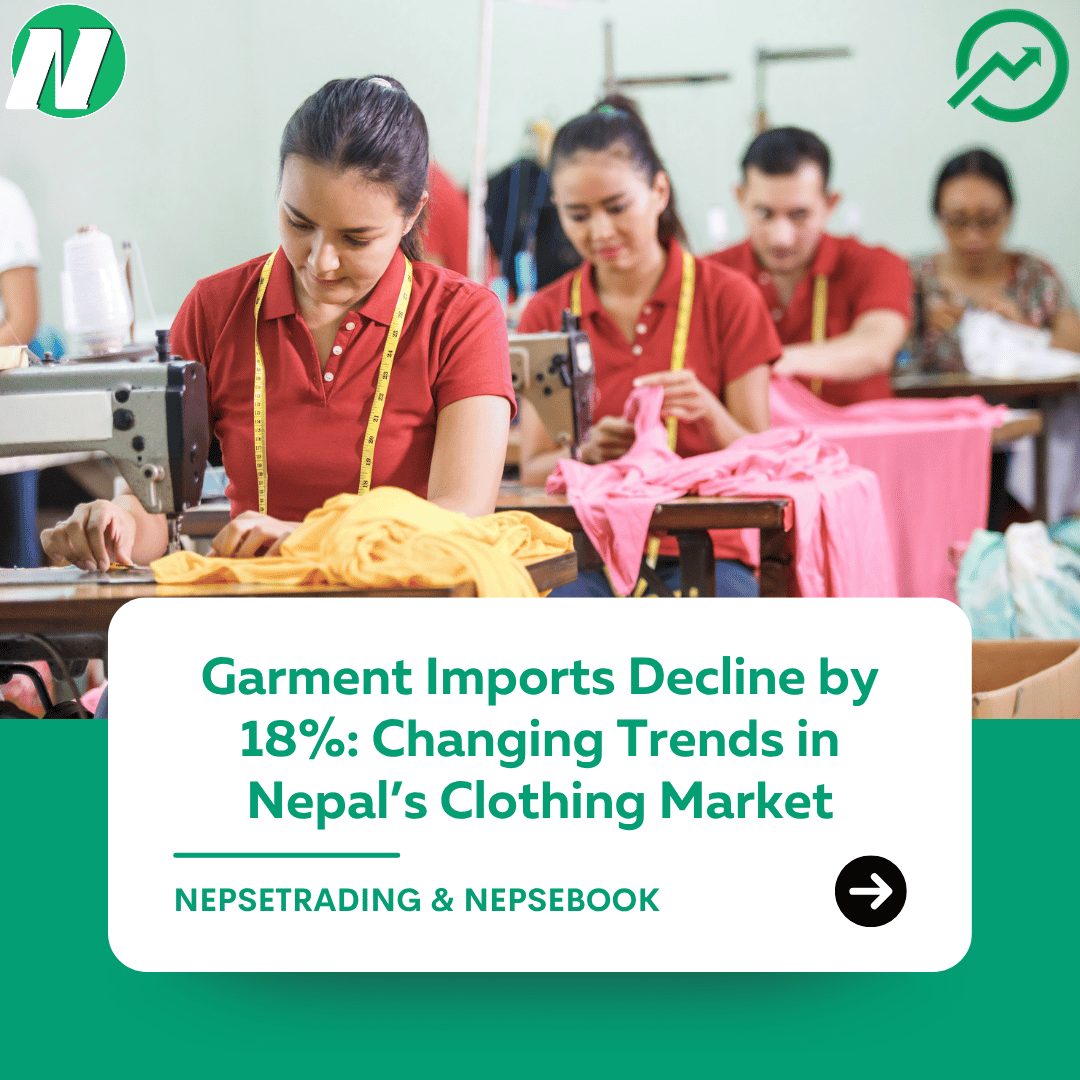
Nepal’s imports of readymade garments fell sharply by 18.3% in the first month of 2025/26, amounting to Rs. 2.80 billion compared to Rs. 3.43 billion in the same period of the previous year. With garments holding nearly 2% share of total imports, this decline signals a major shift in the country’s clothing market dynamics.
Experts point out that the fall in imports is driven by multiple factors. Firstly, the rise of domestic apparel brands, tailoring services, and local boutiques has started to capture a significant share of consumer spending. More urban consumers are choosing Nepali-made fashion as local designers gain visibility through social media and e-commerce. Secondly, the growth of second-hand clothing (thrift shops) and affordable online marketplaces has reduced reliance on expensive foreign imports.
Another factor is Nepal’s sluggish economy and reduced purchasing power, which has forced households to cut down on luxury and branded clothing purchases. Instead, consumers are shifting toward affordable alternatives and prioritizing essential spending. At the same time, the trend of fast fashion imports is slowing, partly due to rising customs controls, taxation, and increasing awareness about sustainability in fashion.
Economists argue that while reduced imports ease some pressure on Nepal’s trade deficit, it also reflects a cautious consumer market. For the domestic textile and garment sector, this presents both a challenge and an opportunity: the challenge of competing with global styles and quality, but also the chance to build “Made in Nepal” clothing identity.
Advertisement
Written by
Sandeep Chaudhary