By Dipesh Ghimire
Inflation Falls to Multi-Year Low as Food Prices Drop, Raising Policy Questions
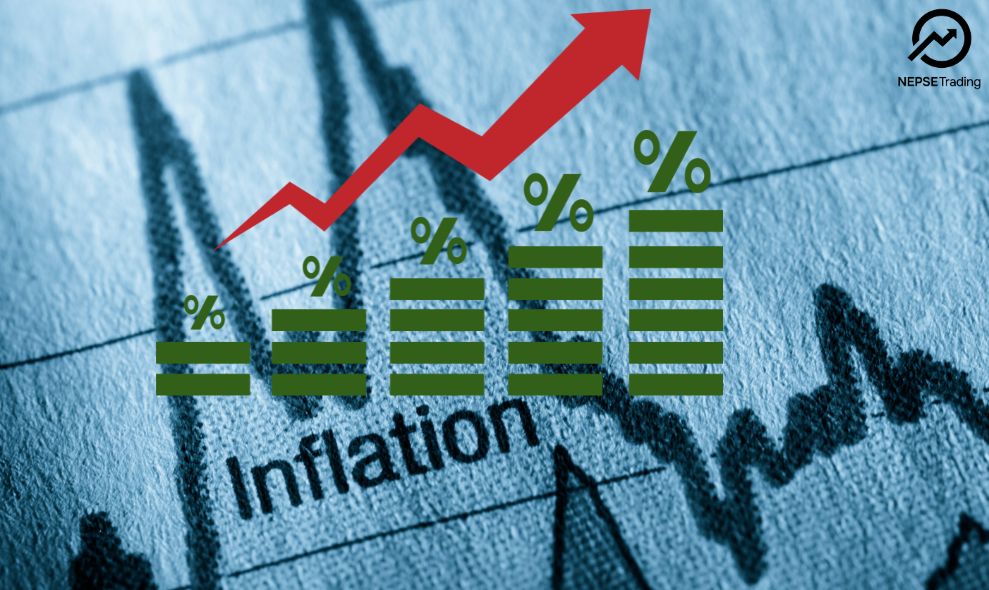
Nepal’s inflation rate has dropped to one of its lowest levels in recent years, signalling a sharp easing of price pressures but also raising questions about underlying demand in the economy. According to data released by Nepal Rastra Bank, year-on-year consumer inflation stood at 1.11 percent in mid-November 2025, a steep fall from 5.60 percent recorded in the same month last year.
The decline has been driven primarily by a contraction in food prices. During the review month, food and beverage inflation turned negative at –3.32 percent, compared to a high 9.10 percent a year earlier. This reversal suggests that supply conditions have improved significantly, particularly for vegetables and essential food items, easing household expenses after a prolonged period of price stress.
However, the broader picture shows a mixed trend. While food prices have softened, non-food and services inflation remained elevated at 3.69 percent, nearly unchanged from last year’s 3.65 percent. This indicates that structural costs—such as education, clothing, household goods and services—continue to exert upward pressure on prices, even as food becomes cheaper.
On an average basis, inflation has remained subdued throughout the fiscal year so far. The average consumer inflation for the first four months of FY 2082/83 stood at 1.53 percent, sharply lower than 4.59 percent in the corresponding period last year. Economists see this as a reflection of weak domestic demand, cautious consumer spending and stable import prices, supported by a relatively strong external sector.
A closer look at food sub-groups reveals contrasting movements. Prices of ghee and oil, non-alcoholic beverages, and milk and eggs recorded moderate increases, while vegetables fell by more than 14 percent, and prices of spices and pulses also declined noticeably. This sharp fall in vegetable prices has played a decisive role in pulling overall food inflation into negative territory, offering short-term relief to consumers but affecting farm-gate incomes.
In the non-food category, price pressures remain more persistent. Education costs rose by over 7 percent, while prices of miscellaneous services, clothing and footwear, tobacco products, and household furnishings also increased. These trends suggest that service-sector inflation is becoming more entrenched, reflecting rising wages, rents and operating costs, even as commodity prices soften.
Regional data further highlights disparities in inflation. Urban areas recorded higher inflation than rural regions, reflecting stronger service-sector demand in cities. Provincially, Koshi and Madhesh saw relatively higher inflation, while Gandaki and Sudurpashchim experienced much lower price increases. Inflation in the Kathmandu Valley stood at 1.16 percent, close to the national average.
Wholesale prices also showed moderation. Wholesale inflation stood at 2.65 percent, nearly half of last year’s level. While consumer goods saw modest price increases, construction materials recorded a rise of over 3 percent, signalling continued cost pressures in infrastructure and housing projects.
In a regional comparison, Nepal’s inflation remains slightly higher than India’s, where consumer inflation stood at 0.71 percent in November 2025. Still, both economies are currently experiencing low inflation by recent standards, reflecting weaker global commodity prices and cautious domestic demand.
The current inflation trend presents a policy dilemma. On one hand, low inflation supports household purchasing power and provides room for accommodative monetary policy. On the other, persistently weak price growth—especially negative food inflation—may signal sluggish demand and income pressures in agriculture. Policymakers will need to balance price stability with measures to stimulate economic activity, ensuring that low inflation does not come at the cost of slower growth.
Overall, the latest data point to a phase of price stability in Nepal’s economy, but the uneven nature of inflation across sectors suggests that the recovery remains fragile and uneven beneath the surface.