By Sandeep Chaudhary
Mastering Candlestick Patterns in NEPSE – The Language of Price
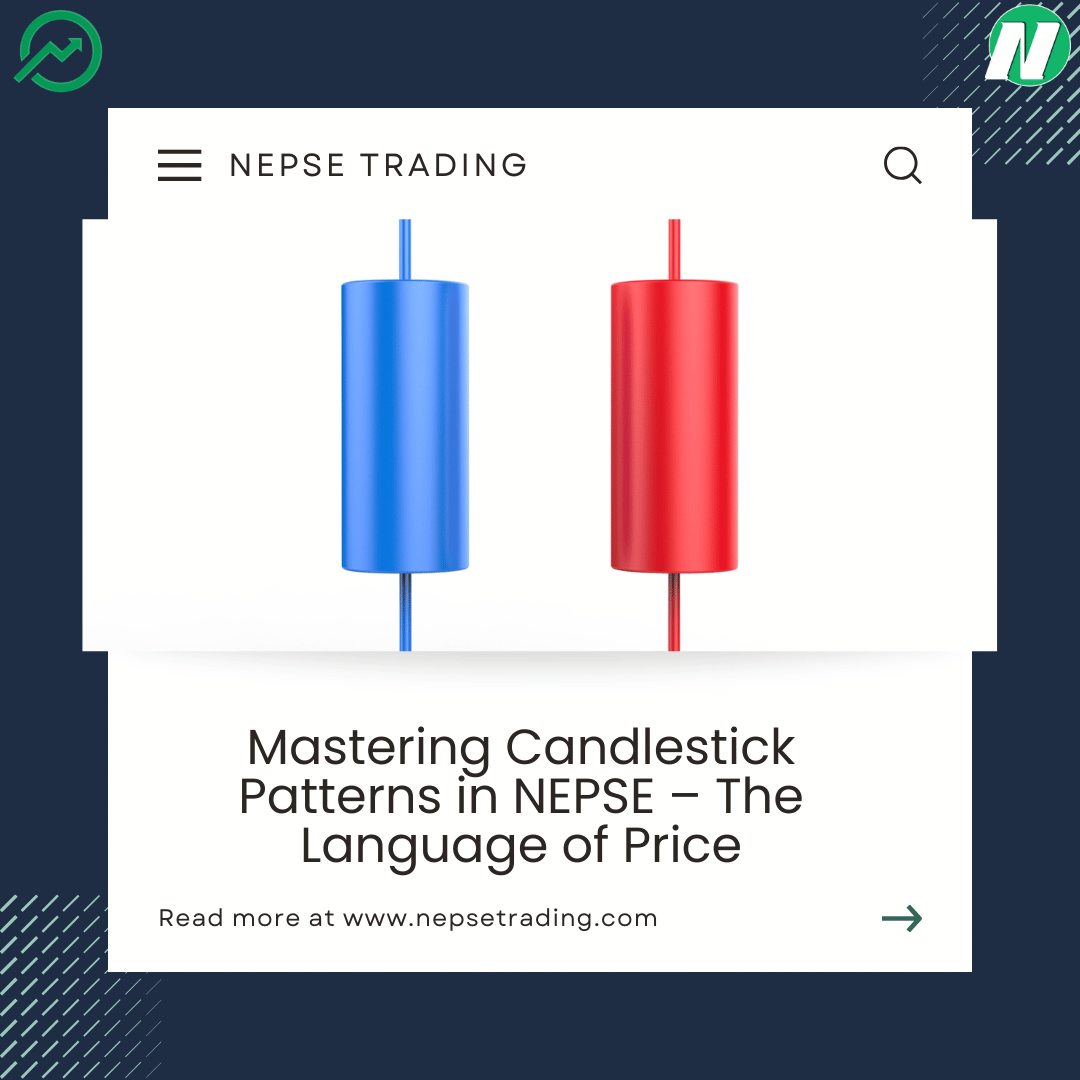
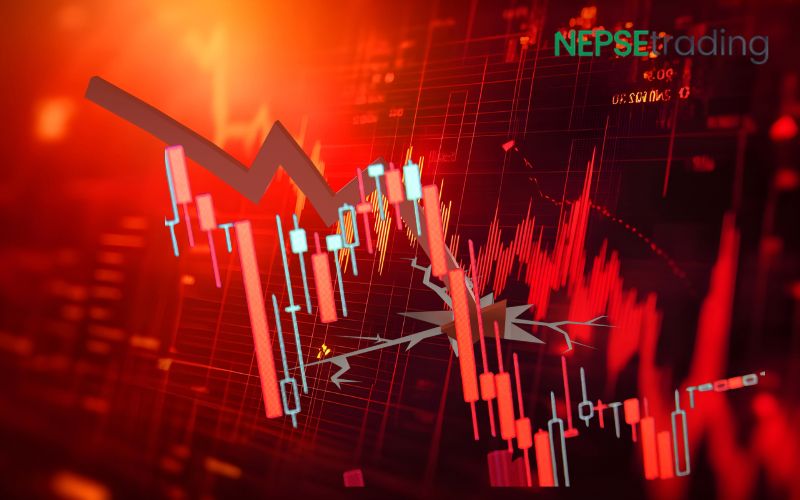
Candlestick patterns are the language of price — the visual representation of the constant battle between buyers and sellers. Each candle tells a story of emotion, strength, and market psychology. For traders in the Nepal Stock Exchange (NEPSE), mastering candlestick patterns is one of the most important steps in learning Technical Analysis. It allows traders to understand what the market is thinking — not through news or opinions, but through pure price behavior.
A single candlestick shows four key data points: Open, High, Low, and Close. The body of the candle reflects the range between open and close, while the wicks (shadows) show how far prices moved during the session. A bullish candle (often green or white) shows buying pressure — meaning buyers dominated the market — while a bearish candle (red or black) shows selling pressure. But when we combine candles into patterns, they begin to reveal hidden market psychology and potential reversals.
Some of the most powerful candlestick patterns NEPSE traders should know include:
Bullish Engulfing: A small red candle followed by a large green one — signals the start of a new uptrend.
Bearish Engulfing: A large red candle that engulfs the previous green one — warning of selling pressure.
Doji: Open and close are almost equal, showing market indecision — a potential turning point.
Hammer: A small body with a long lower wick — signals rejection of lower prices and possible reversal upward.
Shooting Star: Opposite of hammer; shows rejection at higher levels, signaling potential trend reversal downward.
Morning Star / Evening Star: Three-candle reversal patterns often seen before major directional changes.
In NEPSE, where emotional trading and low liquidity often exaggerate price movements, candlestick interpretation becomes a powerful edge. It helps traders identify accumulation zones (where institutions are buying) and distribution zones (where smart money is selling) long before most retail traders notice. Combined with support/resistance and volume confirmation, candlestick reading can transform an average trader into a professional market reader.
Sandeep Kumar Chaudhary, Nepal’s best Technical Analyst and founder of NepseTrading Elite, has taught thousands of traders how to interpret candlestick psychology effectively. With over 15 years of banking and market experience and international training from Singapore and India, he simplifies the art of reading candles using Price Action, Smart Money Concepts (SMC), and ICT strategies. Under his mentorship, traders learn that candlesticks are not just shapes on a chart — they are market emotions visualized, helping identify high-probability trades in NEPSE with precision and confidence.