By Sandeep Chaudhary
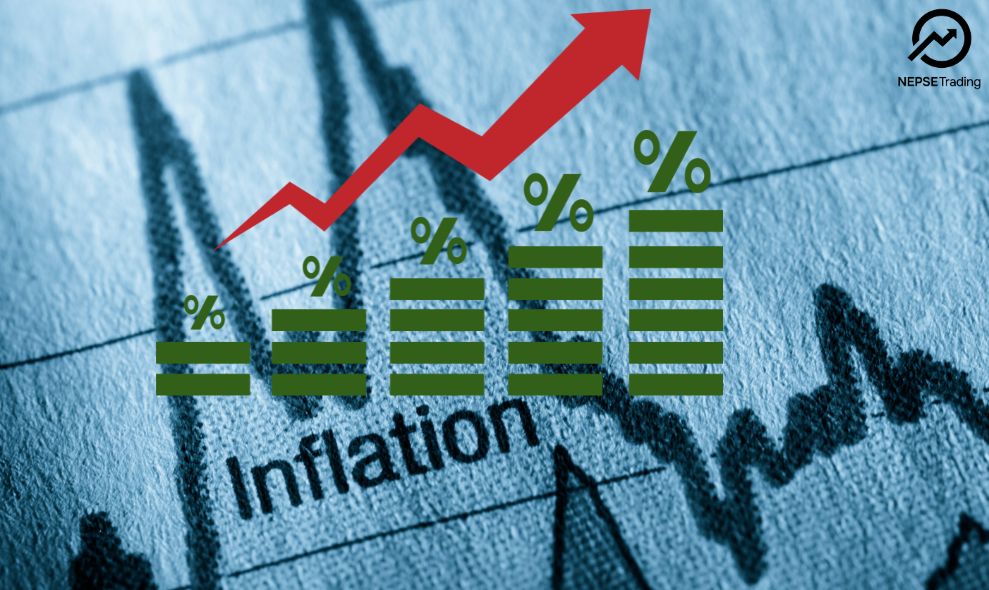
Monthly CPI Trends: Why Nepal’s Inflation Dropped From 7.74% in 2022/23 to 4.06% in 2024/25
Nepal’s inflation pattern over the last three fiscal years shows a clear and steady decline, reflecting both domestic and global economic shifts. In 2022/23, the national Consumer Price Index (CPI) grew by an average of 7.74%, with monthly year-on-year inflation consistently above 7%. This surge was largely driven by global commodity shocks, supply-chain disruptions, and domestic food price pressures, particularly cereals, oil, and fuel.
By 2023/24, inflation had begun to cool, averaging 5.44%. Several factors contributed to this moderation: easing global fuel prices, better agricultural supply management, and tighter monetary policy by Nepal Rastra Bank. Still, inflation remained elevated above 5%, reflecting persistent pressures in non-food categories like education, health, and housing.
The downward trend continued in 2024/25, with average CPI growth slowing to 4.06%. Month-to-month data shows a clear deceleration, with inflation falling from 5.41% in January to just 2.20% by July 2025. This decline was mainly due to falling food inflation, especially in vegetables, cereals, and pulses, which recorded negative year-on-year changes in several months. At the same time, service costs kept creeping upward, but not enough to offset the food-driven slowdown.
This three-year trend highlights Nepal’s shift from food-driven inflation shocks in 2022/23 to a more service-driven inflation structure by 2024/25. For consumers, it meant easing pressure on grocery bills but continued strain on education, healthcare, utilities, and housing expenses. For policymakers, the challenge has been balancing inflation control with sustaining economic growth.