By Sandeep Chaudhary
Nepal Inflation Tracker: Comparing 2022/23, 2023/24, and 2024/25 Price Movements
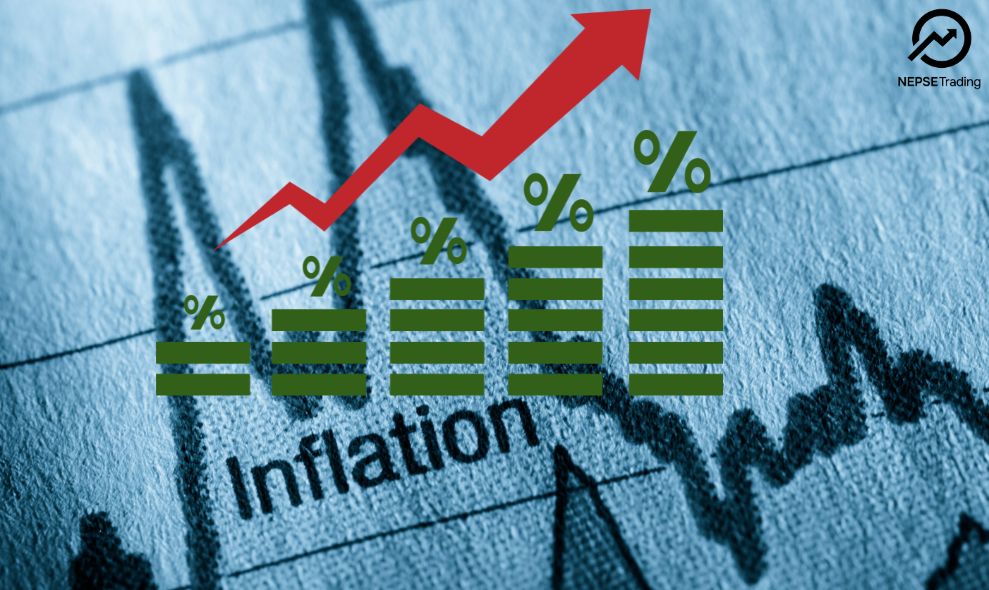
Nepal’s Consumer Price Index (CPI) data across three fiscal years highlights how inflation has steadily moderated after peaking during the global supply-chain and fuel crises. The trends show that while 2022/23 was marked by high inflation shocks, the following years saw gradual cooling, largely due to stabilizing food supplies and easing global commodity pressures.
In 2022/23, inflation averaged 7.74%, with year-on-year price growth consistently above 7%. August 2022/23 alone recorded 8.26%, reflecting heavy pressure from rising global fuel prices, imported goods, and domestic food shortages. Households faced some of the steepest price increases of the decade, with food staples, oil, and utilities all becoming more expensive.
By 2023/24, inflation moderated but remained elevated at an average of 5.44%. The year began with inflation above 7% in September but trended downward as global commodity markets stabilized and Nepal Rastra Bank adopted tighter monetary policies. Still, non-food items—especially housing, education, and healthcare—kept household budgets under pressure.
The 2024/25 fiscal year marked a clear slowdown, with inflation averaging 4.06%. Monthly data shows a declining trend: January 2025 inflation was 5.41%, but by July 2025, it dropped to just 2.20%. This easing came largely from falling food prices, particularly vegetables and cereals, while service inflation (housing, utilities, education) remained steady.
Overall, the three-year comparison shows that Nepal’s inflation has shifted from being food-driven in 2022/23 to service-driven by 2024/25. For households, this means grocery bills have eased, but non-food costs are emerging as the primary driver of long-term inflation. For policymakers, it highlights success in controlling food inflation but also raises new challenges in addressing structural service-sector costs.