
EV
Nepal Needs 10,000 EV Chargers by 2030 — a Tenfold Leap That Will Decide Its Hydropower Bet
The opportunities the study sets out are genuine — lower operating costs and job creation, cleaner air, modernized public transport and fewer road accidents, more efficient urban mobility and added appeal for tourists. But each of them is contingent on closing the same gaps: the chargers, the standards, the financing and the skills. Whether Nepal can turn 1,000 stations into 10,000 is, in the end, the test that will decide whether the rest of the promise is realized.
Dipesh Ghimire
4 min read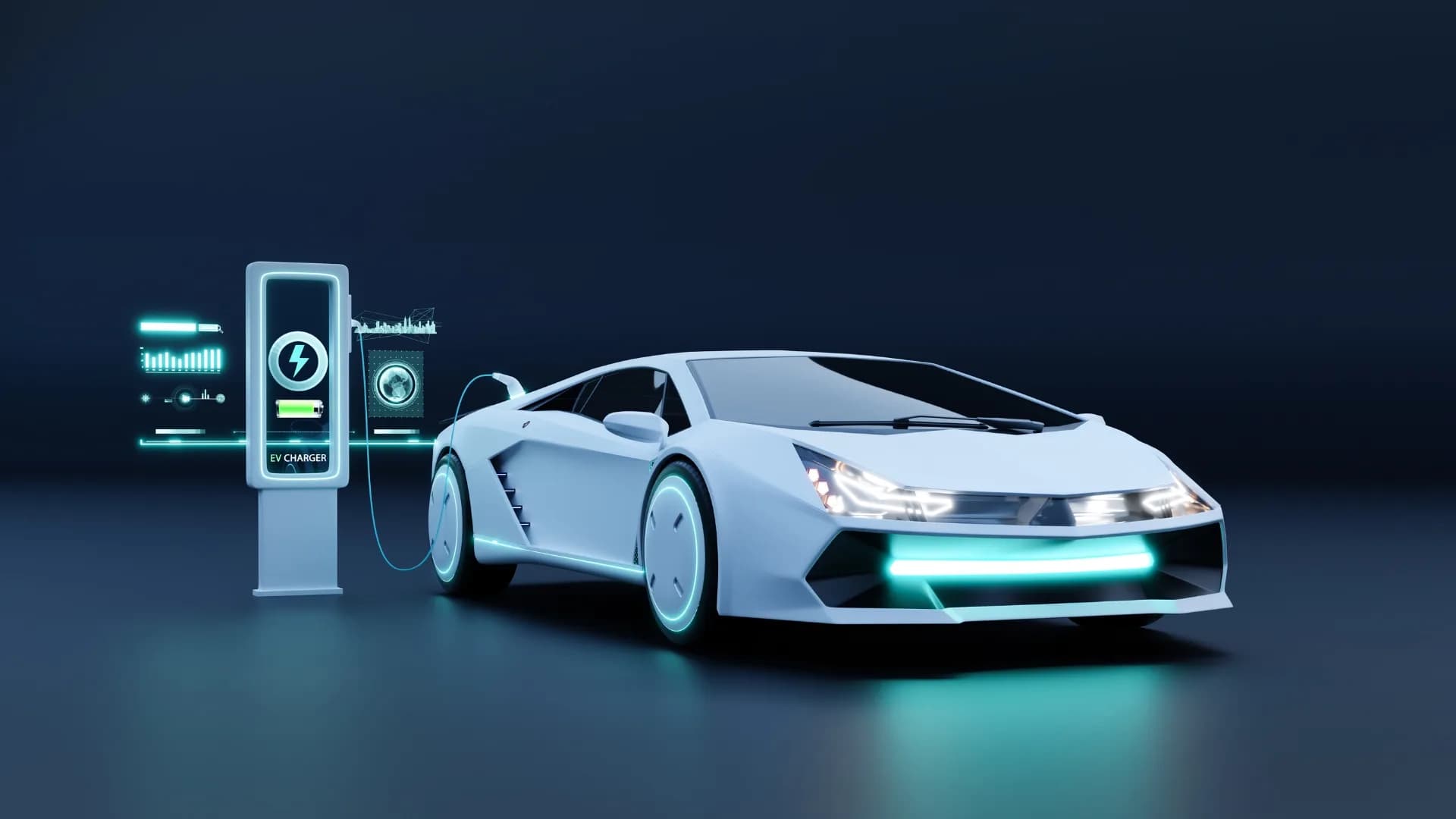
Nepal must build at least 10,000 charging stations across the country to push the wider adoption of electric vehicles, according to a study by the Ministry of Infrastructure Development. The study, titled "Opportunities, Challenges and Possibilities for EV Promotion in Nepal," holds that reaching that number — ideally by 2030 — would lift EV uptake significantly. Against the roughly 1,000 stations operating today, most of them run by authorized EV dealers, that amounts to a tenfold build-out in about five years.
The more revealing question is why a landlocked Himalayan country is betting so heavily on electric mobility — and the answer is less about green credentials than about energy economics. Nepal generates surplus hydropower it cannot fully consume or export, especially in the wet season; EVs offer a domestic demand sink to absorb that electricity. At the same time, every vehicle that runs on home-generated power rather than imported diesel saves scarce foreign currency and insulates the country from swings in global fuel prices and supply disruptions. Decarbonization, in this framing, is the co-benefit; monetizing the nation's own hydropower and trimming a chronic import bill is the main event.
The charging gap is what stands in the way, and it has a familiar shape — a chicken-and-egg deadlock. Drivers will not buy EVs without chargers, and investors will not build chargers without EVs. The study notes that charging is insufficient on highways and in rural areas and villages, which makes it hard to use electric vehicles for long-distance travel or as public transport. That is precisely why adoption so far has been concentrated among urban private cars: the chargers cluster in cities, where dealers have built them. The 10,000-station target is, in effect, an attempt to break the deadlock and push infrastructure into the places the market has not reached.
The list of obstacles runs deeper than chargers alone. A task force under the former Ministry of Physical Infrastructure and Transport, coordinated by joint secretary Krishna Raj Panth, flagged charging infrastructure, battery cost, road infrastructure, and battery reuse and disposal as challenges. To these it added a shortage of skilled manpower and international experience, limited private-sector participation, gaps in skill development, and dependence on imported vehicle parts — alongside high upfront costs and low resale value, questions of vehicle quality, a shortage of qualified drivers, and the fact that EVs cannot yet serve as large or freight vehicles. The absence of standards, the lack of research and development, and the want of a clear charging-and-battery-swapping policy round out the picture.
Read together, those challenges describe an ecosystem that is still immature: subsidies and tax incentives have put cars on the road faster than the supporting system can keep up. Two points deserve emphasis. The forex savings, while real, are only partial — a country that swaps oil imports for battery and parts imports has not escaped dependence, merely changed its form. And battery reuse and disposal is a slow-building problem; today's surge of EVs is tomorrow's wave of spent batteries, with no disposal regime yet in place.
The government's strategic case leans squarely on the hydropower logic. Promoting EVs is meant to raise domestic electricity consumption, save foreign exchange and shield the country from global fuel volatility through home-grown energy. The Nepal Electricity Authority is currently operating 62 fast chargers of 142 kilowatts each, and allocated upwards of Rs 10 million this fiscal year to expand infrastructure at seven major locations, on a road network that now stretches to about 100,000 kilometers.
Here the gap between ambition and allocation becomes hard to ignore. Sixty-two chargers and a Rs 10 million outlay are a rounding error against a 10,000-station goal that would run into the billions — and the distance between strategy documents and budget lines is the recurring theme of Nepali planning. The vision is articulated; the financing to match it is not yet visible.
There is also an institutional maze to navigate. Energy, Water Resources and Irrigation Minister Birajbhakta Shrestha says the ministry is making planned efforts, and its "Energy Consumption Increase and Export Strategy, 2083" calls for expanding the charging-station network nationwide, with completion targeted by fiscal year 2085/86. The plan envisions chargers at petrol pumps, priority for electric vehicles in public transport, and the NEA designated as the responsible agency, along with electric buses and trolley buses in major cities to build domestic consumption capacity. But with an Infrastructure Development Ministry study, a former Transport Ministry task force and an Energy Ministry strategy all in play — and deadlines ranging from 2030 to 2085/86 — the coordination of overlapping mandates will be a test in itself.
The headline targets are bolder still. Nepal's sustainability goals envisage 90 percent of private vehicles running on electricity by 2030 and net-zero carbon emissions by 2045, with EVs cast in a central role. Those are aspirational marks from the current base, and the charging build-out is the binding constraint that will determine whether they are met or remain on paper.
The opportunities the study sets out are genuine — lower operating costs and job creation, cleaner air, modernized public transport and fewer road accidents, more efficient urban mobility and added appeal for tourists. But each of them is contingent on closing the same gaps: the chargers, the standards, the financing and the skills. Whether Nepal can turn 1,000 stations into 10,000 is, in the end, the test that will decide whether the rest of the promise is realized.
Written by
Dipesh Ghimire
Related News




NEPSE
3 min read
Why the Index Can Mislead: How a Handful of Heavyweights Steer NEPSE
The conclusion is simple but liberating: the NEPSE index is a weighted average, and weighted averages have favorites. To read the market well, watch not just the number that moves, but the handful of heavyweights doing the moving.
Dipesh Ghimire
·5 Jun, 2026


Deposit
3 min read
Rs 8 Trillion in the Vault, Few Takers at the Counter: Deposit Milestone Masks a Credit Drought
Until that turn comes, the pattern looks set to persist: deposits climbing, loans crawling, and the central bank vacuuming up the difference. Rs 8 trillion is a number that flatters the system. Money waiting, after all, is not money working.
Dipesh Ghimire
·5 Jun, 2026