By Sandeep Chaudhary
Nepal Rastra Bank’s Mid-September 2025/26 Report Reveals Lower CPI and WPI
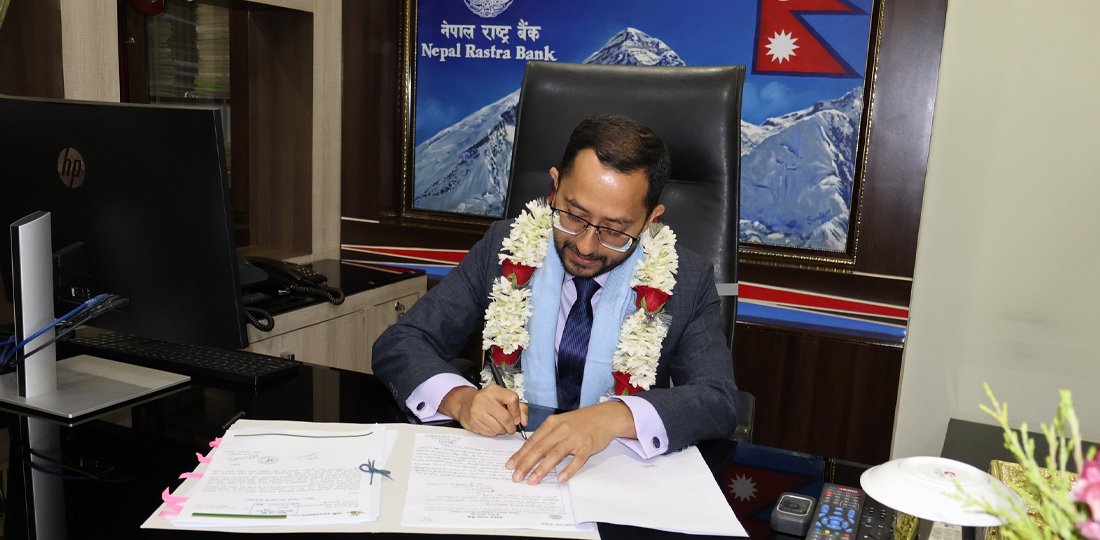
The Nepal Rastra Bank (NRB), in its Mid-September 2025/26 Macroeconomic Report, has revealed a significant decline in both the Consumer Price Index (CPI) and the Wholesale Price Index (WPI) — signaling that inflationary pressures in the economy have eased to their lowest levels in several years. The data underscores a period of macroeconomic stability, supported by improved domestic supply conditions, lower global commodity prices, and sound monetary management by the central bank.
According to the report, the year-on-year CPI inflation dropped to 1.87%, down from 3.86% a year ago, marking the lowest level since 2019. The decline was primarily driven by a deflation in food prices (-1.34%), as improved agricultural yields and stable supply chains kept food costs in check. Meanwhile, non-food inflation stood at 3.7%, reflecting mild price increases in housing, education, health, and other essential services.
Similarly, the National Wholesale Price Index (WPI) — which measures producer-level inflation — eased to 2.10%in mid-September 2025/26, compared to 2.75% in the same period last year. This fall in wholesale prices indicates that input costs for producers and manufacturers have decreased, likely reducing cost-push pressures on retail prices in the coming months. The annual average WPI stood at 2.23%, down from 3.21% last year, showing a steady decline in producer-level inflation trends.
The overall moderation in both CPI and WPI highlights a favorable macroeconomic environment where price stabilityand monetary discipline have been effectively maintained. The broad money supply (M2) grew by 12.4%, while reserve money expanded by 10.1%, indicating adequate liquidity in the banking system without triggering inflationary pressure.
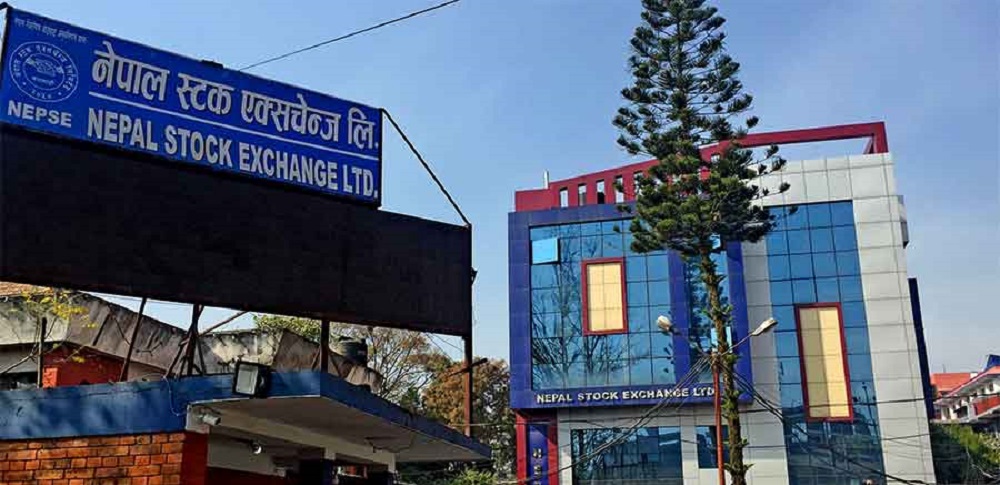
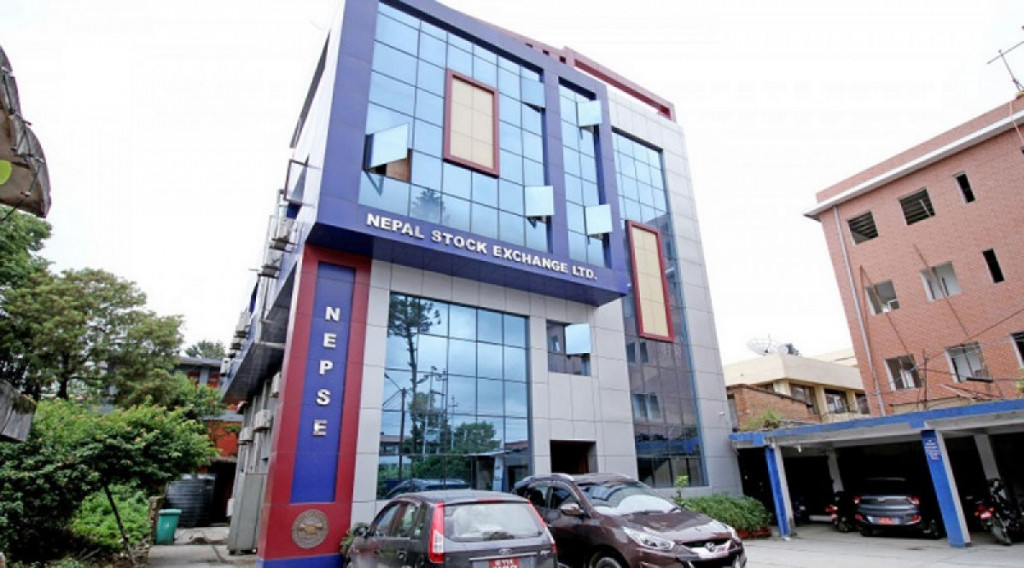
In addition, the base rate fell to 5.72%, and the average lending rate declined to 7.66%, providing cheaper access to credit for consumers and businesses. The deposit rate averaged 3.96%, supported by strong liquidity and robust deposit mobilization. The NEPSE Index, reflecting investor sentiment, closed at 2,672 points, with market capitalization rising to 73.1% of GDP, indicating overall confidence in the financial system.
NRB’s report attributes the easing inflation to improved food supply, stable exchange rates, and declining global fuel prices, along with cautious monetary operations that balanced liquidity and credit growth. The central bank expects inflation to remain below 4% through the fiscal year if global price trends remain favorable and domestic supply chains remain uninterrupted.
Economists view this decline in CPI and WPI as a major achievement for Nepal’s monetary policy, as it helps preserve household purchasing power while lowering borrowing costs for the private sector. However, they caution that excessively low inflation — especially deflation in food — could affect farmers’ income and rural demand, requiring a careful policy balance to sustain both price stability and economic growth.