By Dipesh Ghimire
Nepal–China Border Trade Talks Yield Progress on Connectivity, Trade Facilitation, and Investment
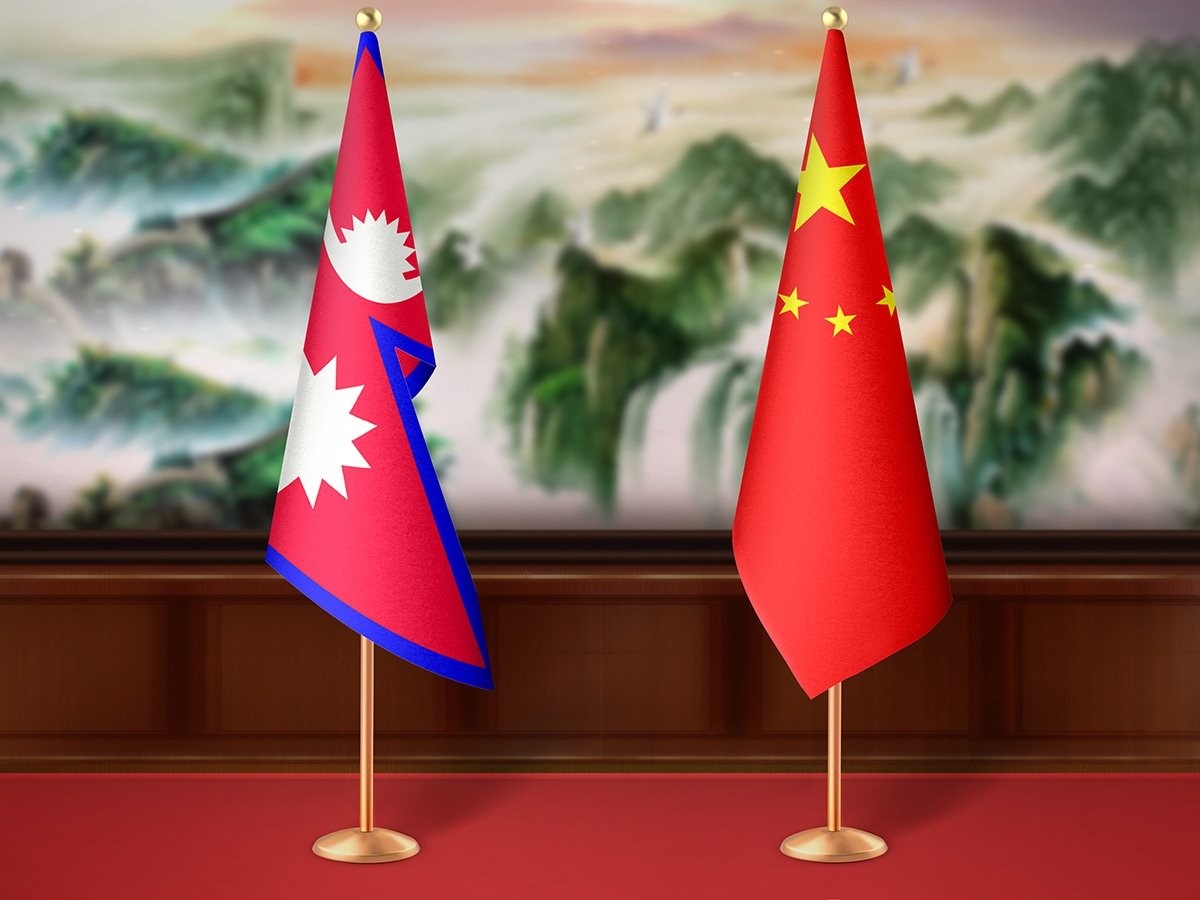
The third secretary-level meeting of the Nepal–China Coordination Mechanism on Border Trade and Cooperation concluded in Lhasa, the capital of China’s Xizang (Tibet) Autonomous Region, marking another step forward in bilateral economic and trade cooperation. The meeting was held on January 20–21, 2026 (Magh 6–7), according to Nepal’s Ministry of Industry, Commerce and Supplies.
The talks focused on a wide range of issues, including cross-border trade, customs facilitation, infrastructure development, transit arrangements, investment promotion, and broader economic cooperation. Officials from both sides described the discussions as constructive, with several understandings reached to improve trade efficiency and reduce logistical bottlenecks along the Nepal–China border.
The Nepali delegation was led by Dr Ram Prasad Ghimire, Secretary at the Ministry of Industry, Commerce and Supplies, while the Chinese side was headed by Zhao Peng, Vice Chairman of the Xizang Regional People’s Government. Senior officials from finance, customs, and foreign affairs agencies of both countries also participated.
Reviewing progress since the second meeting held in Kathmandu in November 2024, the two sides assessed the implementation status of earlier decisions and outlined priorities for future cooperation. Discussions emphasized aligning trade and transit procedures with evolving regional and global trade practices, particularly as Nepal prepares for graduation from the least developed country (LDC) category.
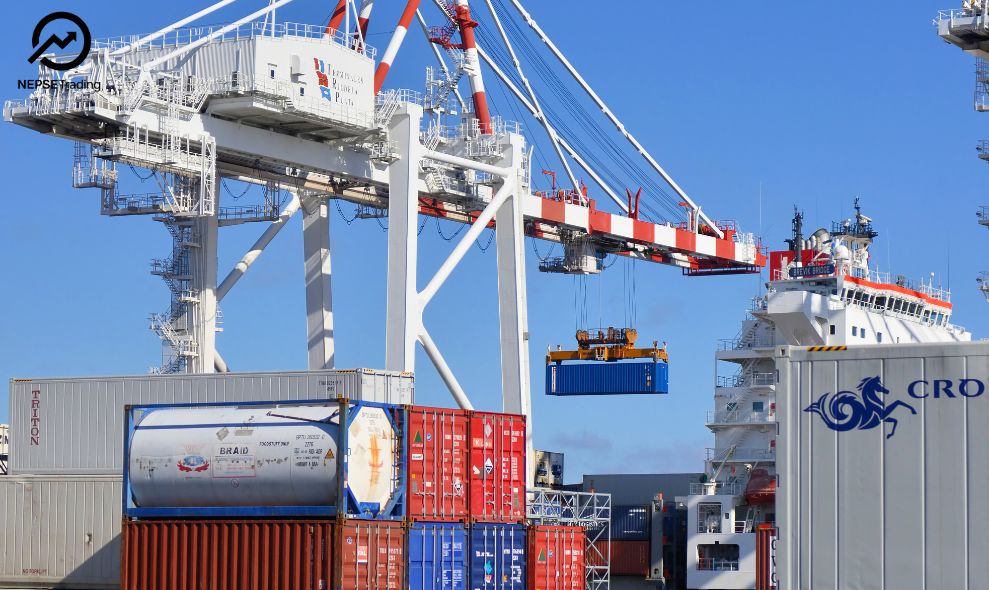
A major area of discussion was customs and border management. Both sides agreed to strengthen the effective implementation of the Nepal–China Transport Agreement to reduce trade time and costs. Measures such as risk-based inspection, expanded use of green channels for cargo movement, stronger laboratory testing facilities, and systematic exchange of bilateral trade data were highlighted as tools to improve efficiency and transparency.
The meeting also addressed long-standing trade facilitation issues, including simplification of border entry passes for traders, drivers, and co-drivers, as well as amendments to the 1981 Trade and Payment Agreement to reflect current realities. Nepal sought continued support for China’s zero-tariff treatment even after Nepal’s LDC graduation, a request that was positively discussed during the meeting.
Infrastructure connectivity featured prominently in the talks. Nepal proposed advancing road, bridge, and integrated customs facility (ICD) projects at the Kimathanka border point in Sankhuwasabha, including road links connecting Nepal’s Kimathanka with Chentang in Xizang. Both sides agreed to pursue these proposals through diplomatic channels. Progress on the Timure ICD at Rasuwagadhi (Gyirong), road development in the Hilsa–Simikot corridor of Mustang, and the Rasuwagadhi–Syaphrubesi road was also reviewed, with commitments to accelerate construction and coordination.
Beyond trade and transport, the two sides explored cooperation in agriculture and services. An agreement was reached to move forward with a Nepal–China high-tech agricultural park, aimed at improving productivity and technology transfer. They also expressed commitment to implementing the Authorized Economic Operator (AEO) certification system, which would help trusted traders benefit from simplified customs procedures.
People-to-people and service-sector connectivity were not overlooked. The meeting agreed to work toward the resumption of the Kathmandu–Lhasa bus service, suspended in recent years, and to strengthen cooperation in traditional medicine and health-related fields. China also proposed establishing a sister-city relationship between Gyirong and a municipality in Nepal’s Rasuwa district, with an understanding that a formal proposal would be sent through diplomatic channels.
Security and border governance were also discussed, with both sides committing to stronger coordination in law enforcement to ensure safe and orderly border management. In times of natural disasters or emergencies, China reiterated its willingness to provide vehicle re-routing and logistical support to Nepal.
The meeting concluded in what both delegations described as a friendly and positive atmosphere. It was agreed that the fourth meeting of the coordination mechanism will be held in Nepal in 2027, with dates to be finalized through mutual consultation. Nepali officials said the outcomes reflect growing convergence on the need for smoother trade, stronger infrastructure links, and deeper economic integration between the two neighboring countries.
The Nepali delegation included senior officials from Nepal Rastra Bank, the Nepali Consulate General in Lhasa, the Ministry of Industry, Commerce and Supplies, and the Ministry of Finance. The Chinese delegation comprised senior representatives from the Xizang Department of Commerce, Foreign Affairs Office, Chinese Customs, and other government agencies.
Observers say the discussions signal a pragmatic shift toward implementation-focused cooperation, with an emphasis on reducing procedural barriers and translating policy commitments into tangible trade and connectivity gains on the ground.