By Sandeep Chaudhary
Nepal’s Ecological Inflation Breakdown: Why Food Prices Fall but Services Keep Rising
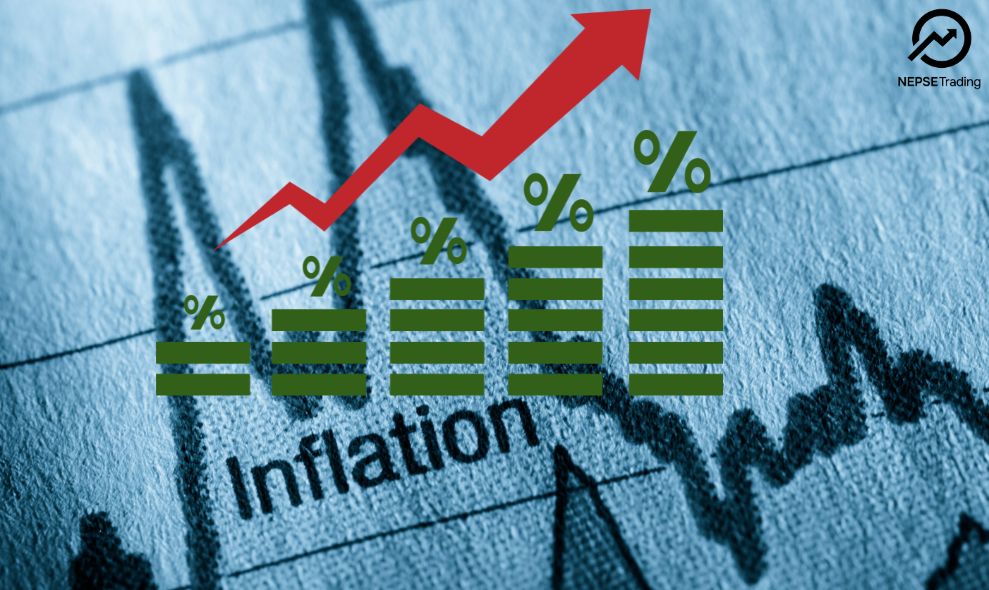
The latest CPI data for July–August 2025/26 paints a clear picture of how inflation trends are unfolding differently across Nepal’s ecological belts. Nationally, inflation stood at 1.68% year-on-year, but the story is more nuanced when broken down into Kathmandu Valley, Terai, Hill, and Mountain regions. A common trend emerges—food prices are declining, offering some relief to households, but at the same time, non-food and service costs are rising sharply, creating a structural inflation burden that is particularly pronounced in urban and remote areas.
In Kathmandu Valley, overall inflation hit 2.26%, driven by a 3.95% surge in non-food and services, despite food prices falling -2.10%. Families in the Valley are paying less for groceries but significantly more for housing, utilities, education, and health, making services the core inflation driver.
The Terai region experienced the lowest inflation at 1.33%, as food costs dropped by -3.03%, reflecting good harvests and improved supply of cereals and vegetables. Yet, the non-food and services index jumped 4.17%, showing how essential services continue to push living costs higher in semi-urban areas.
The Hill region saw mild inflation of 1.56%, where food prices fell by -1.51%, but non-food expenses grew by 3.31%. This suggests that even in rural belts, where agriculture dominates consumption, rising education, health, and utility costs are adding pressure to household budgets.
The Mountain belt faced the highest inflation at 2.59%, with food prices declining by -1.15% but non-food and services soaring 5.06%—the steepest rise among all belts. Geographic isolation and high transport and logistics costs have amplified service inflation, making life in mountain areas increasingly expensive.
Overall, Nepal’s inflation dynamics are shifting. While food price declines have softened short-term household spending, non-food and services inflation has emerged as the dominant force, driving up the cost of living across all regions. This indicates that Nepal’s inflation is moving away from being food-driven to being structurally service-driven, posing a bigger long-term challenge for policymakers and consumers alike.