By Sandeep Chaudhary
Nepal’s External Sector Strengthens as Reserves Hit $20.4 Billion
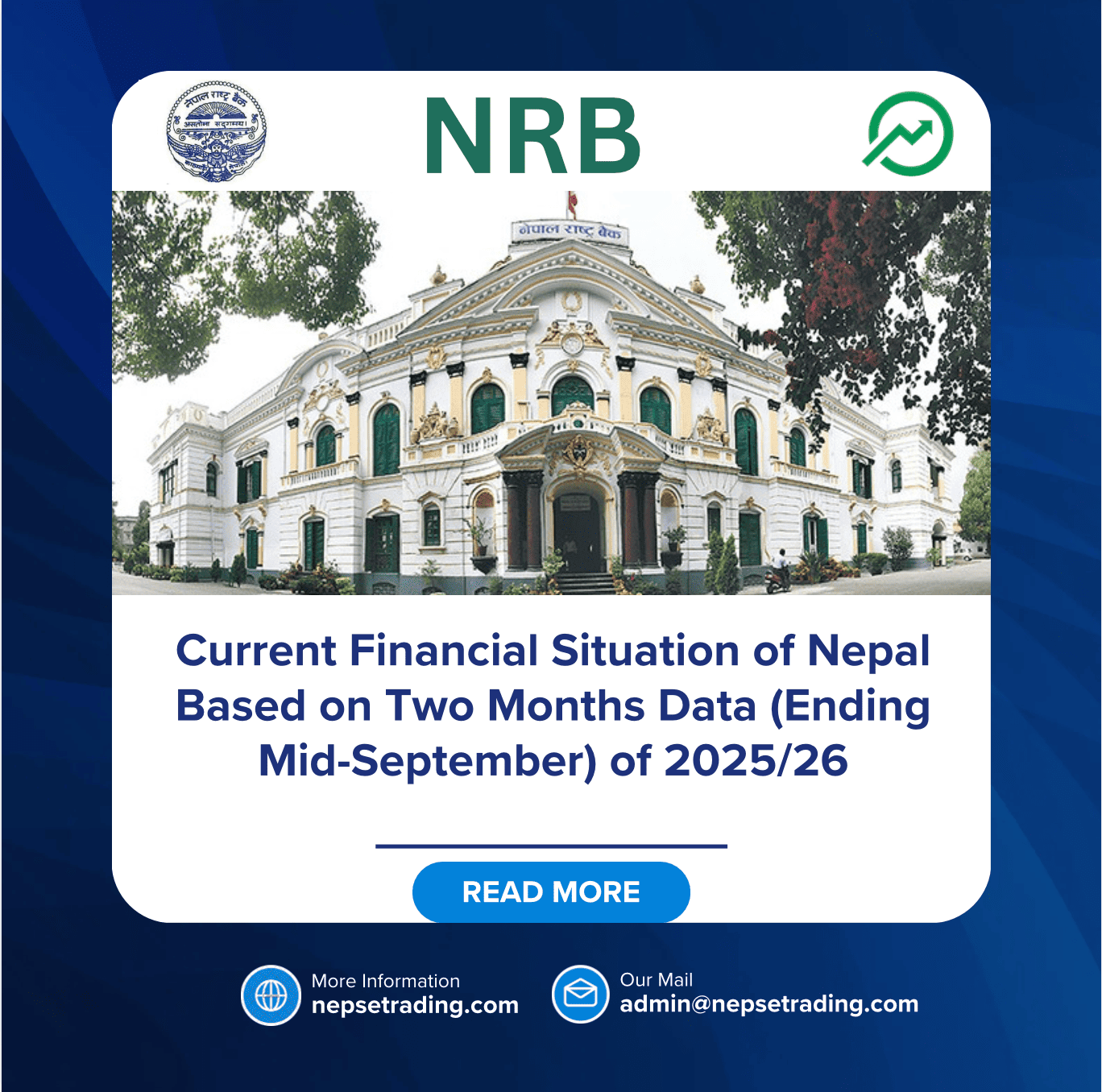
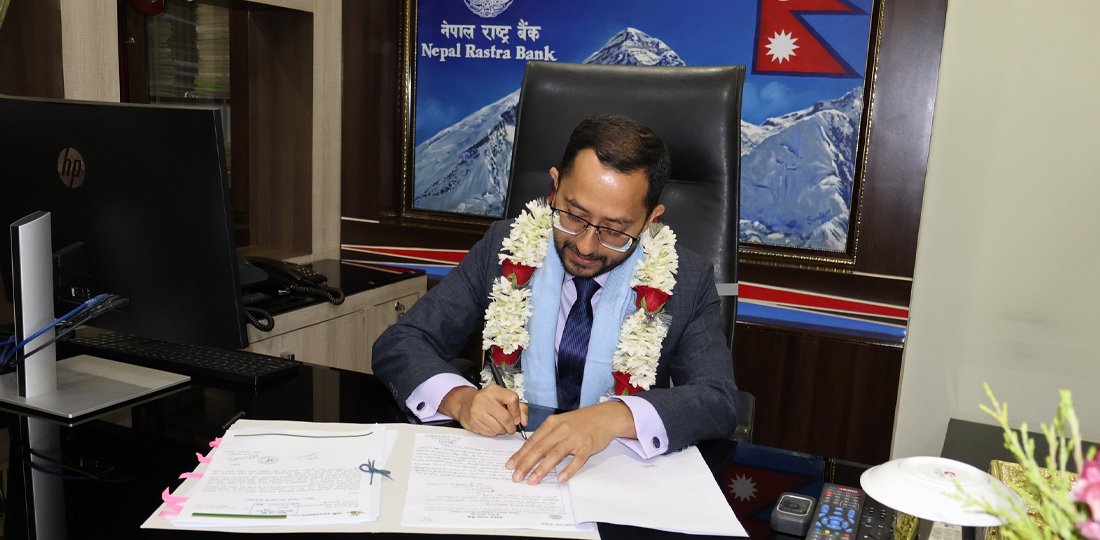
Nepal’s external sector continues to show impressive resilience and growth momentum, according to the latest Mid-September 2025/26 Macroeconomic Report released by the Nepal Rastra Bank (NRB). The report reveals that Nepal’s gross foreign exchange reserves have surged to USD 20.41 billion (Rs. 2.88 trillion) — the highest level in the country’s economic history — marking a significant milestone in external sector stability.
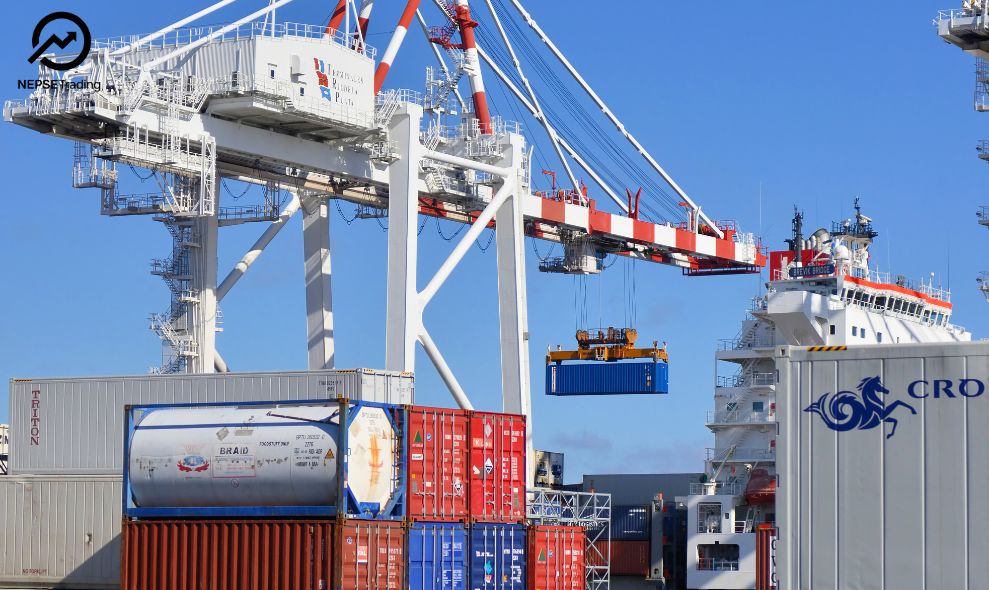
The rise in reserves reflects a strong improvement in the balance of payments (BOP) and current account surplus, supported by robust remittance inflows, a sharp rebound in exports, and contained import growth. As of mid-September 2025/26, the Balance of Payments recorded a surplus of Rs. 153.7 billion, while the current account remained in surplus at Rs. 130.7 billion, both signaling strong external liquidity and improving trade dynamics.
According to NRB data, remittance inflows increased by 33% to reach Rs. 352 billion, while exports surged by 88.6% to Rs. 47.3 billion. Meanwhile, imports grew moderately by 16.2% to Rs. 305.2 billion, indicating greater trade balance discipline compared to previous years. The combination of rising foreign income, controlled imports, and improving trade receipts has helped build the reserve stockpile and stabilize the external account.
The central bank estimates that the current reserve level is sufficient to cover over 13 months of imports, far exceeding the international adequacy benchmark of three months. This not only strengthens Nepal’s external position but also provides ample cushion against external shocks such as global commodity price fluctuations, capital outflows, or currency volatility.
NRB’s monetary data also shows that the Nepalese rupee has remained relatively stable against major global currencies due to disciplined foreign exchange operations and balanced liquidity management. The improved reserve position has also helped the central bank manage monetary stability, with inflation easing to 1.87% and interest rates declining — the base rate now stands at 5.72%, while the lending rate has fallen to 7.66%.
Economists interpret this strong reserve accumulation as a sign of Nepal’s external health and policy effectiveness. The increase in foreign exchange holdings enhances investor confidence, reduces vulnerability to external shocks, and strengthens the country’s creditworthiness in the global market. However, experts also caution that maintaining this stability will require sustained export diversification, effective remittance utilization, and prudent fiscal disciplineto prevent a rebound in import dependency.
The external sector’s performance is further complemented by a stable financial system — total deposits reached Rs. 7.29 trillion, private-sector credit grew 7.3%, and broad money expanded 12.4%, ensuring sufficient liquidity to support growth. Together, these indicators suggest that Nepal’s economy is entering FY 2025/26 with stronger fundamentals and external resilience.