By Sandeep Chaudhary
Nepal’s Gross Foreign Assets Rise 7.7% to Rs 3.03 Trillion – NRB Mid-September 2025 Report
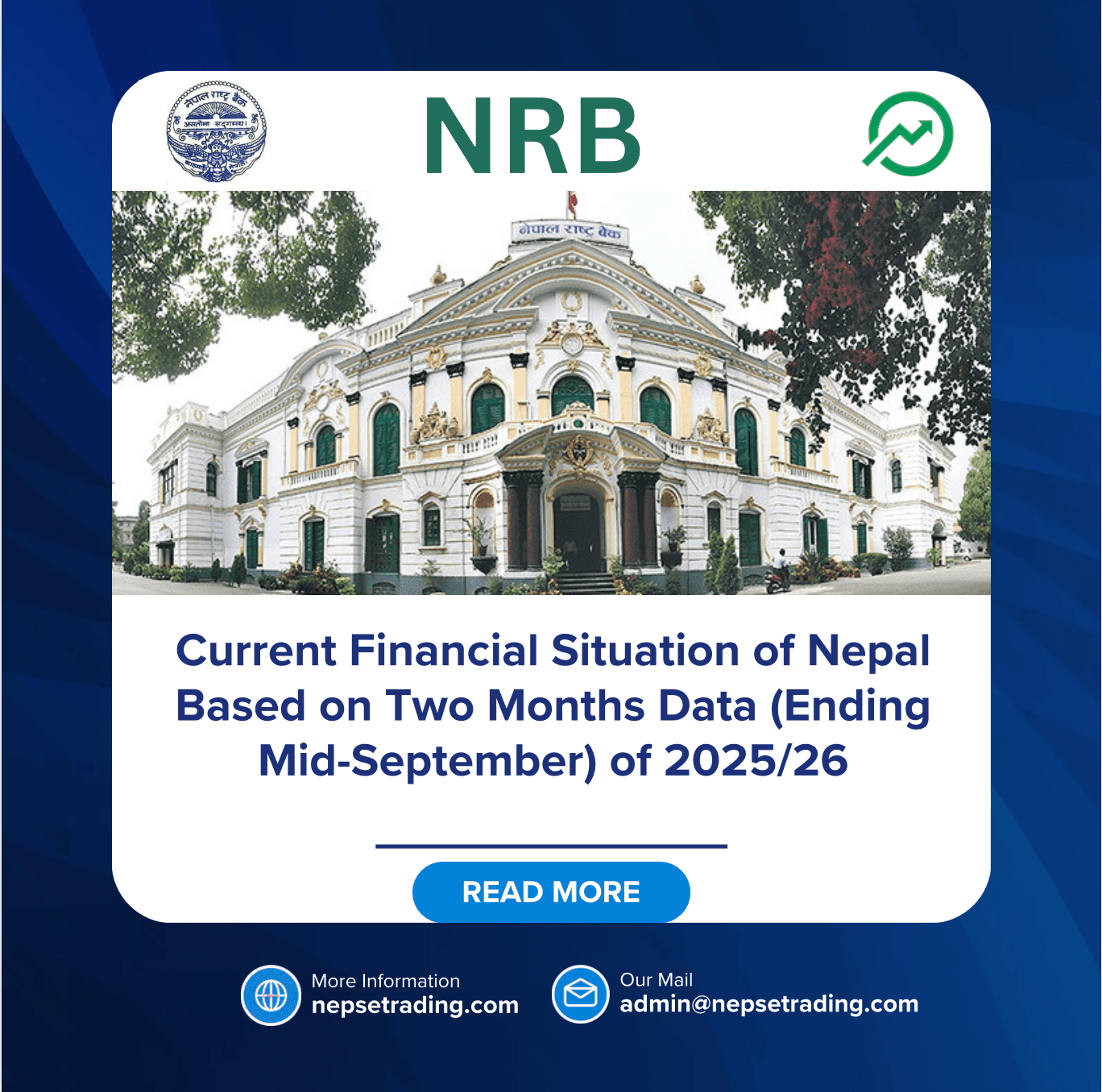
According to the latest Nepal Rastra Bank (NRB) report, the country’s gross foreign assets increased by 7.7% to reach Rs 3.03 trillion as of mid-September 2025, compared to Rs 2.82 trillion in mid-July 2025. This steady rise underscores Nepal’s growing external stability, supported by higher foreign exchange reserves, increased gold and SDR holdings, and strong remittance inflows. The central bank’s data reflects the sustained recovery of the external sector amid moderate import growth and favorable balance of payments conditions.
The NRB’s own foreign assets climbed to Rs 2.74 trillion, marking a 7.1% rise within two months, driven primarily by an expansion in foreign exchange reserves, which reached Rs 2.58 trillion—a 6.9% increase from mid-July. Within this, convertible reserves rose by 7.4%, reaching Rs 1.94 trillion, while inconvertible reserves rose by 5.6% to Rs 633.8 billion. Likewise, Bank and Financial Institutions (BFIs) saw their holdings of foreign assets grow by 13.7% to Rs 298.9 billion, reflecting greater foreign investments and remittance-related deposits.
Nepal’s gross foreign exchange reserves reached Rs 2.88 trillion, representing a 7.6% growth in just two months. The reserves now provide an import capacity of 19.7 months for merchandise goods and 16 months for both goods and services, showing one of the strongest reserve positions in South Asia. The ratio of reserves to GDP improved to 47.2%, while reserves to imports and reserves to M2 money supply stood at 133.1% and 36.6%, respectively—indicating robust liquidity and a healthy external buffer.
The NRB report also highlights that Net Foreign Assets (NFA) of the banking sector increased by 8.2% year-on-year, reaching Rs 2.88 trillion. Meanwhile, foreign liabilities remained stable at around Rs 157.5 billion, suggesting a strong overall position. The exchange rate stood at Rs 141.14 per USD by mid-September 2025, reflecting a gradual depreciation trend over the fiscal year.
Economists view the rise in gross foreign assets as a sign of improved macroeconomic resilience, driven by stable remittance inflows, contained imports, and favorable foreign currency earnings from tourism and services. However, they also warn that sustaining this momentum will require export diversification, investment in productive sectors, and balanced monetary policy management to prevent excess liquidity pressures in the financial system.