By Dipesh Ghimire
Nepal’s Stock Market Stuck in a Downtrend as Political Risk Overshadows Economic Signals
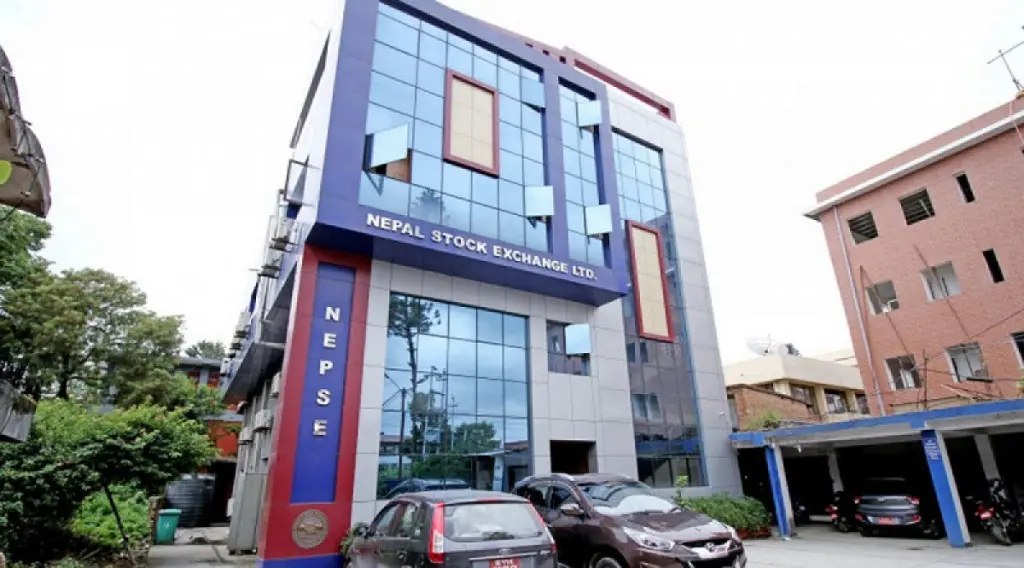
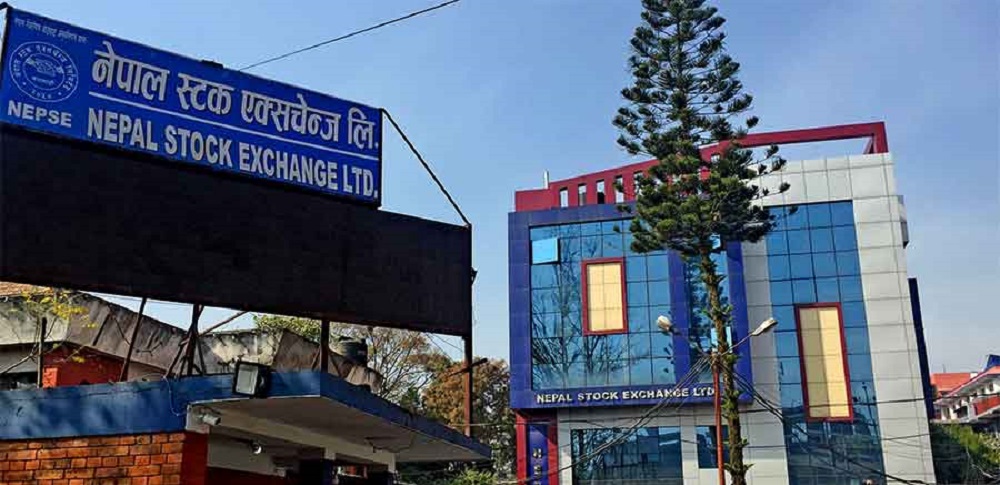
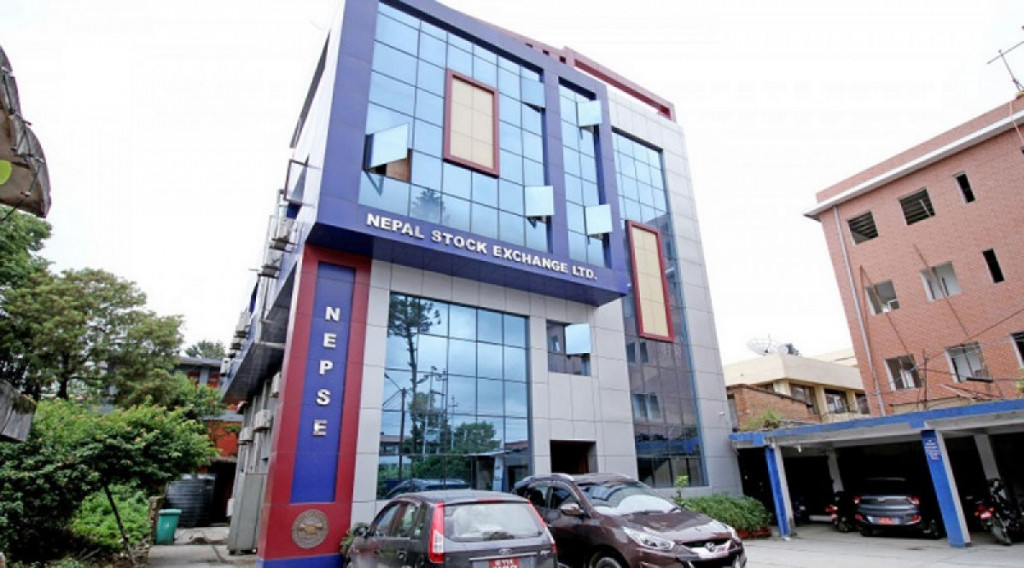
Nepal’s stock market continues to move in a downward trajectory at a time when conventional economic indicators suggest room for recovery. The benchmark NEPSE index has slipped to around 2,581 points, reflecting a persistent loss of investor confidence. This decline has occurred despite the central bank’s sustained policy easing and a gradual improvement in the financial position of banks and listed companies, raising questions about the deeper forces influencing market behavior.
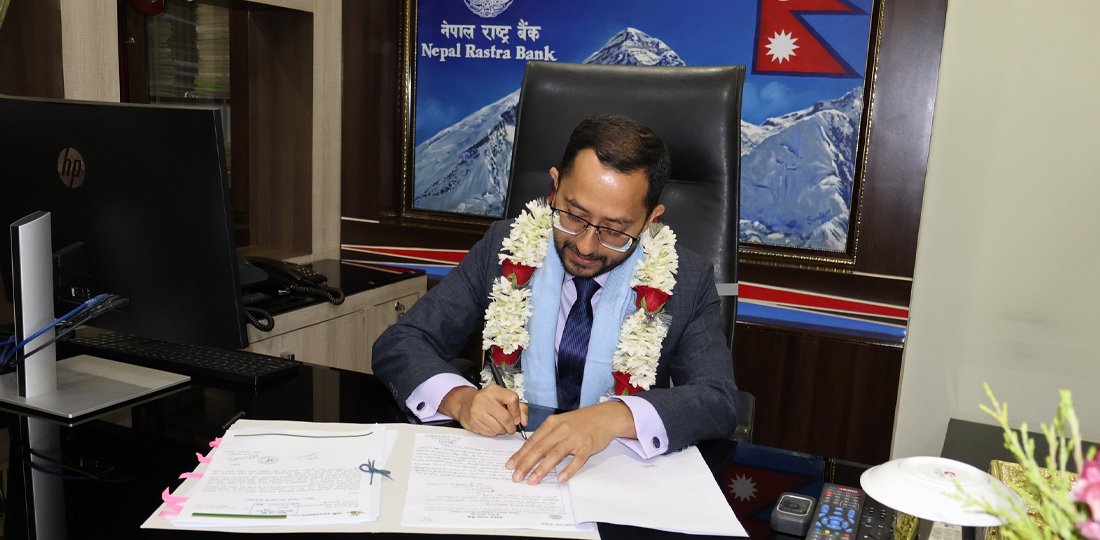
Since the new governor assumed office, Nepal Rastra Bank has taken several steps aimed at supporting the capital market. Regulatory flexibility has increased, liquidity conditions have improved, and long-standing investor grievances have been addressed to a notable extent. From a technical and policy standpoint, the stock market currently faces fewer constraints than in previous years. Yet, these favorable conditions have failed to translate into upward momentum, indicating that the market is responding to factors beyond monetary policy.
The financial sector itself shows visible signs of stabilization. Compared to the previous fiscal year, when banks struggled with rising non-performing loans and weak credit recovery, balance sheets have begun to strengthen. Improved loan collection and controlled credit risk have enabled banks to announce dividends, albeit modest ones. Insurance companies, particularly in the life segment, have reported comparatively stronger earnings, while microfinance institutions have also returned to dividend-paying positions after a period of regulatory and operational stress.
Sector-wise, however, performance remains uneven. Hydropower companies, which dominate new listings on the exchange, are constrained by structural realities. Over the past decade, Nepal has witnessed a surge in hydropower listings, driven by national priorities to expand electricity generation and exports. While these projects contribute to long-term economic growth, most are still burdened by high debt incurred during construction, limiting their capacity to deliver immediate returns to shareholders. As a result, investor enthusiasm in the sector remains restrained.
The tourism and hotel industry, another key pillar of the economy, has also faced setbacks in recent months. Although tourist arrivals are gradually increasing, political unrest linked to the Gen-Z movement has negatively affected business sentiment. Disruptions during protests and uncertainty over security conditions have weighed on hospitality-related stocks, further dragging overall market performance.
Market participants note that the NEPSE index had been approaching the 2,900-point level before political instability intensified. The sudden eruption of protests and the volatile developments that followed triggered a sharp correction. This reversal coincided with the rollout of a market-friendly monetary policy for fiscal year 2082/83, suggesting that political risk, rather than weak economic fundamentals, played a decisive role in altering market direction.
More than three months after the Gen-Z movement began, uncertainty surrounding the country’s political roadmap persists. The interim government formed to oversee elections has yet to provide a clear timeline that reassures investors. Major political parties remain engaged in internal power struggles and legal maneuvers, including efforts to restore parliament through the Supreme Court, creating confusion about the future governance structure. This lack of clarity has prevented the formation of a stable investment outlook.
For investors, the concern lies not only in delays but also in continuity. Political figures perceived as having lost public trust during the unrest appear to be regaining influence, while demands for structural change remain unresolved. This has fueled apprehension that instability may prolong, discouraging long-term investment decisions. As expectations of a swift return to normalcy fade, risk appetite in the equity market has weakened further.
Adding to these challenges is the lingering impact of unrest on the business environment. Incidents of vandalism, arson, and looting during the peak of the movement reportedly caused substantial economic damage. Beyond direct financial losses, these events undermined confidence across the private sector. Entrepreneurs have grown cautious about expanding operations, banks face hesitancy in new lending, and insurers remain conservative in claim settlements, reflecting broader uncertainty.
Security-related concerns have also not been fully resolved. Reports of unrecovered weapons and unresolved law enforcement issues continue to circulate, reinforcing fears about governance and order. In such an environment, investors tend to prioritize capital preservation over risk-taking, contributing to sustained selling pressure in the stock market.
Despite the prevailing pessimism, analysts argue that the situation is not irreversible. They emphasize that a credible and timely election could restore political legitimacy and stabilize expectations. A clear political direction, coupled with policy continuity, would likely revive investor confidence and allow economic fundamentals to reassert themselves in market pricing. Until then, however, the stock market is expected to remain cautious, mirroring the uncertainty that continues to define Nepal’s broader political and economic landscape.