By Sandeep Chaudhary
NRB Bulletin 2025/26: Nepal’s Market Capitalization Reaches 73.1% of GDP
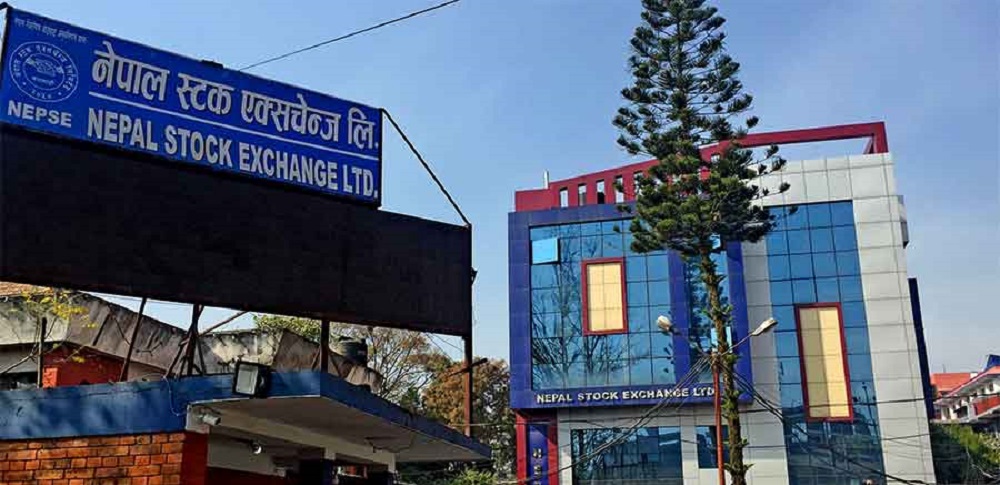
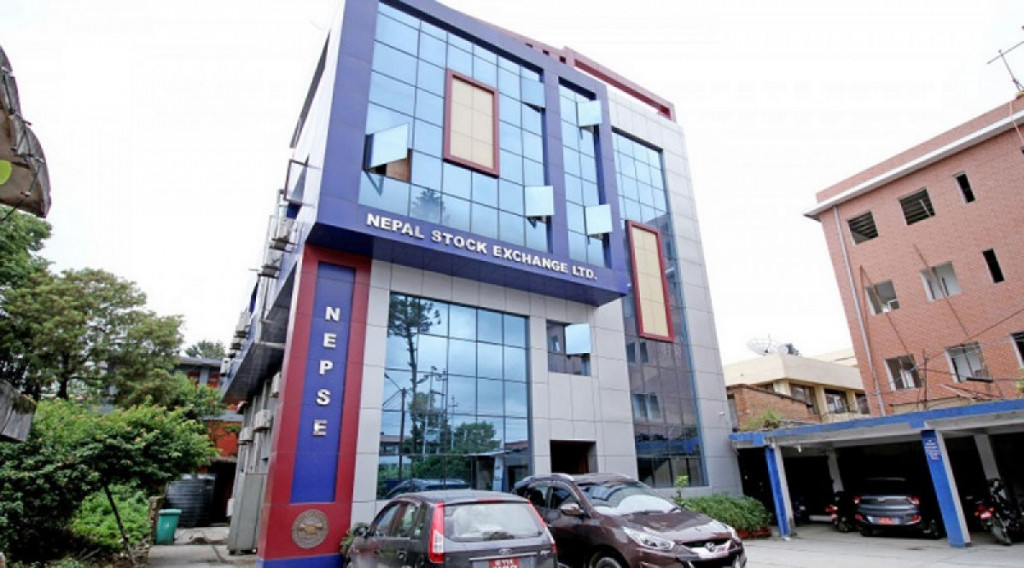
The Nepal Rastra Bank (NRB), in its Mid-September 2025/26 Macroeconomic Bulletin, has reported that the market capitalization of the Nepal Stock Exchange (NEPSE) has risen to 73.1% of the country’s Gross Domestic Product (GDP), reflecting a steady recovery in investor sentiment and capital market performance. This improvement comes amid declining interest rates, improved liquidity, and stable macroeconomic conditions that have collectively supported renewed activity in the equity market.
According to the report, the NEPSE Index closed at 2,672 points, up from 2,580 points during the same period last year. This growth in the index, coupled with increased investor participation, has expanded the overall market value of listed companies. The total market capitalization now stands at approximately Rs. 4.46 trillion, accounting for 73.1% of the nominal GDP (Rs. 6.1 trillion) — a clear sign that the stock market continues to play an influential role in Nepal’s financial ecosystem.
The upward trend in market capitalization has been supported by several factors. The decline in the base rate to 5.72% and the lending rate to 7.66% has made alternative investments such as equities more attractive. Additionally, falling deposit rates (3.96%) have encouraged investors to shift from traditional savings to capital market instruments in search of better returns. NRB’s liquidity-supportive policies and stable monetary environment have further contributed to this investment shift.
The improved market outlook also reflects growing confidence in the broader economy, with inflation easing to 1.87%, remittance inflows surging by 33%, and foreign exchange reserves surpassing Rs. 2.88 trillion. These macroeconomic improvements have enhanced investor optimism and strengthened corporate earnings across key sectors such as banking, insurance, hydropower, and manufacturing.
Despite the positive momentum, NRB’s bulletin cautions that the capital market’s volatility remains a challenge. While the current capitalization ratio suggests strong investor participation, maintaining sustainable market growth will require deeper reforms — including greater transparency, improved corporate governance, and diversification of investment instruments beyond equities. Encouraging long-term institutional investors and enhancing financial literacy are also critical to stabilizing market movements.
The steady rise in NEPSE’s market capitalization underscores the integration of Nepal’s financial system, where monetary stability, banking liquidity, and capital market performance are becoming increasingly interlinked. As the economy stabilizes and investor confidence strengthens, Nepal’s capital market is expected to continue playing a key role in mobilizing domestic savings into productive investment.