By Sandeep Chaudhary
NRB Data: Foreign Exchange Reserves Touch USD 20.41 Billion as External Sector Strengthens
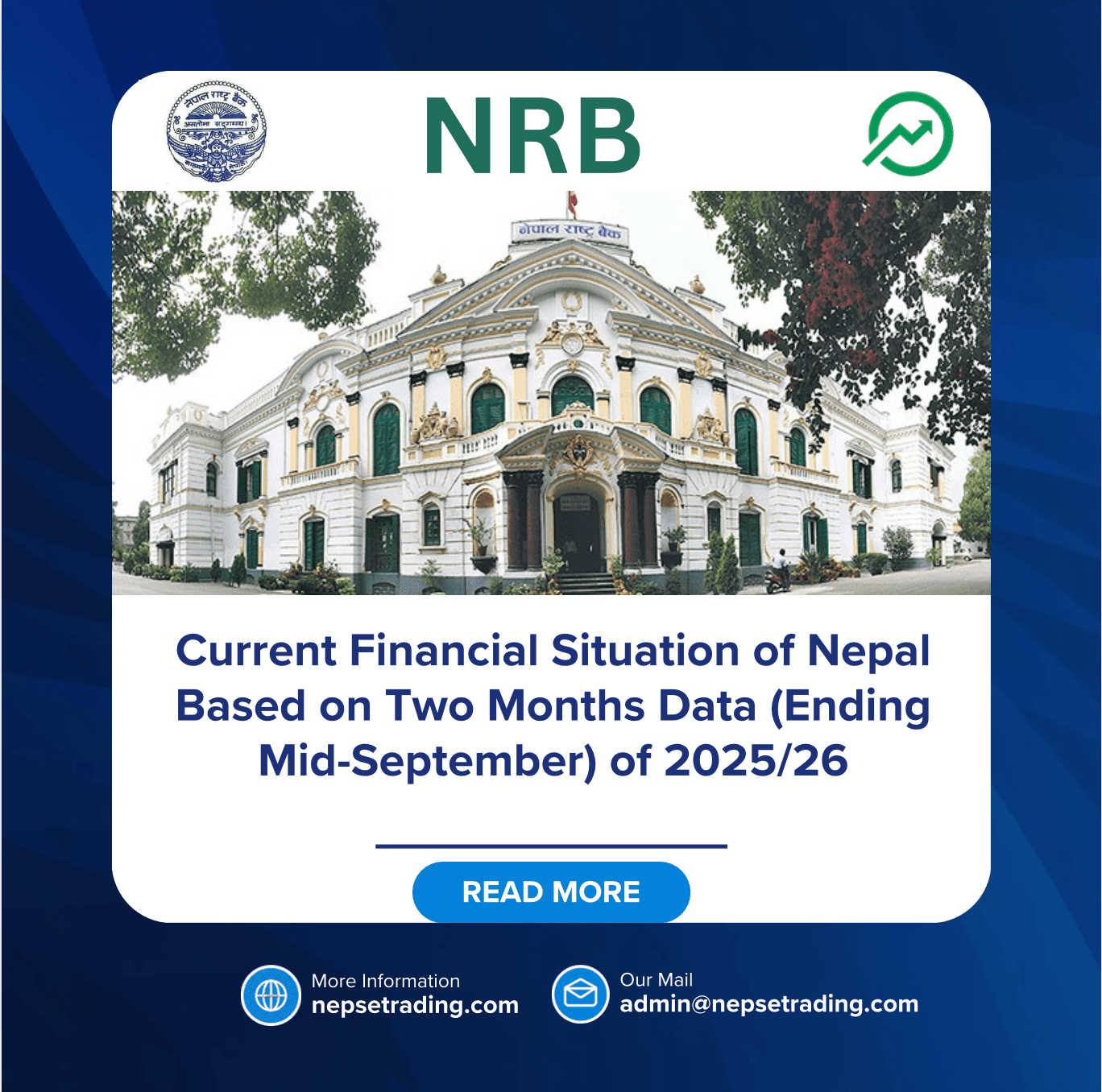
Nepal’s foreign exchange reserves have reached USD 20.41 billion as of mid-September 2025, according to the latest data published by the Nepal Rastra Bank (NRB). This represents a 4.7% increase from mid-July 2025, underscoring the country’s improving external sector stability and macroeconomic resilience. The rise in reserves reflects higher remittance inflows, sustained tourism growth, and careful monetary management by the central bank.
The NRB report indicates that convertible reserves—usable for international payments—rose by 5.5% to USD 15.82 billion, while inconvertible reserves grew by 2% to USD 4.59 billion. These combined reserves are now sufficient to cover 16 months of total imports and nearly 20 months of merchandise imports, highlighting Nepal’s strong foreign liquidity position.
The central bank’s own holdings of foreign assets increased by 4.2% to USD 19.42 billion, while Bank and Financial Institutions (BFIs) also expanded their holdings by 10.6%, reaching USD 2.12 billion. Within BFIs, convertible assetssurged 12.9%, showing increased foreign asset diversification in Nepal’s financial system.
Nepal’s Net Foreign Assets (NFA) rose by 5.2%, reaching USD 20.42 billion, while foreign liabilities declined slightly to USD 1.12 billion, strengthening the nation’s net external position. Economists point out that the NRB’s policies—such as tighter liquidity management, increased forex transparency, and consistent remittance monitoring—have significantly contributed to this growth.
The reserves-to-GDP ratio remains robust at 47.2%, with reserves-to-imports at 133.1%, indicating a comfortable foreign buffer. Experts, however, stress that while growing reserves reflect short-term resilience, Nepal must focus on export diversification, productive sector investment, and import management to ensure long-term sustainability.