By Sandeep Chaudhary
NRB Data: Soybean Oil Exports to India Skyrocket to Rs 20.4 Billion in Two Months

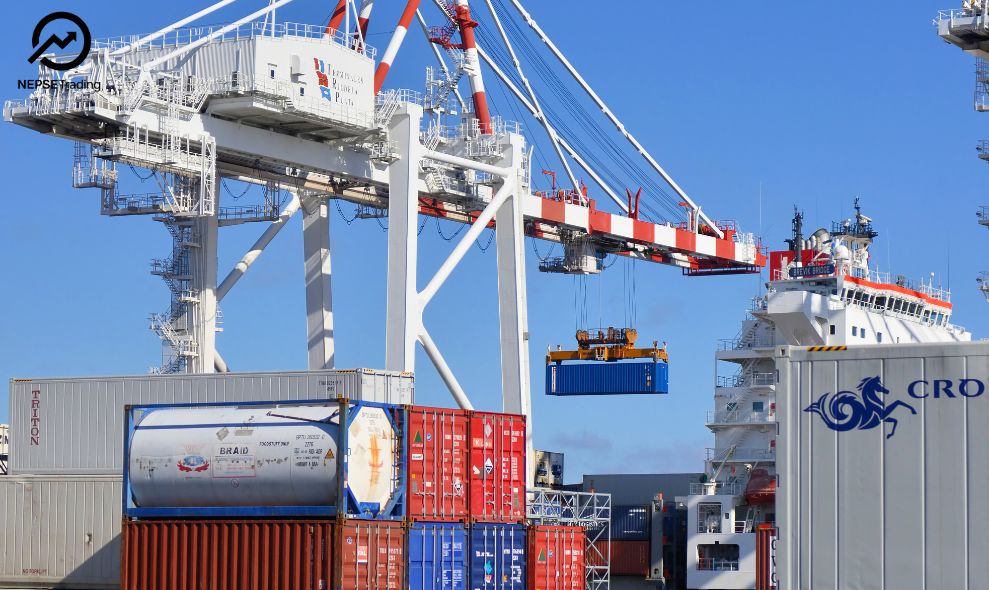
Nepal’s export sector has recorded a powerful start to FY 2025/26, with soybean oil exports to India soaring to an unprecedented Rs. 20.42 billion in just two months, according to the latest Nepal Rastra Bank (NRB) Mid-September 2025/26 report. This single commodity now accounts for more than half (53%) of Nepal’s total exports to India, solidifying soybean oil’s position as the nation’s top export product for the second consecutive year.
Soybean Oil Leads the Export Boom
NRB data shows that total exports to India surged 139.9% year-on-year, reaching Rs. 38.35 billion, up from Rs. 15.99 billion in the same period of FY 2024/25. Within that, soybean oil alone contributed Rs. 20.42 billion, reflecting the continued dominance of edible oil re-exports in Nepal’s trade structure. Despite a plateau in growth compared to FY 2024/25, the volume remains historically high, driven by strong Indian demand, competitive refining margins, and stable export channels through Birgunj and Bhairahawa corridors.
Other Major Export Performers
Aside from soybean oil, several other commodities saw robust growth:
Palm Oil rose 318.4%, reaching Rs. 1.36 billion.
Jute Goods increased 61.1% to Rs. 1.61 billion, driven by demand for Hessian and Sacking fabrics.
Noodles (+54.8%), Shoes & Sandals (+35.2%), and Ayurvedic Medicines (+30.5%) also performed strongly.
Cardamom exports climbed 43.9% to Rs. 859.6 million, reaffirming its growing popularity in India’s spice and pharmaceutical markets.
Collectively, the top 20 export items contributed Rs. 32.55 billion, up 153.5% from last year, showcasing a broad-based recovery in export performance after previous years of stagnation.
Sectors Facing Decline
Despite the upbeat trend, several traditional exports continued to underperform.
Tea exports fell 37.4%, while Zinc sheets plummeted 77.6% amid lower industrial demand.
Ginger (-36.8%), Copper Wire Rod (-35.1%), and G.I. Pipes (-34.7%) also saw significant contractions.
Plastic Utensils (-21.5%) and Cinnamon (-48.5%) registered notable declines, reflecting a slowdown in small-scale manufacturing exports.
Macroeconomic and Trade Context
This surge in exports to India has bolstered Nepal’s external sector stability. The Balance of Payments (BOP)remained in surplus at Rs. 153.7 billion, while foreign exchange reserves reached Rs. 2.88 trillion (USD 20.41 billion) — sufficient to cover over 13 months of imports. The current account surplus of Rs. 130.7 billion and low inflation at 1.87% have provided a supportive macroeconomic environment for trade and production.
Economists, however, caution that the heavy reliance on edible oil exports — primarily re-exports of imported crude oil processed in Nepal — poses structural risks. To sustain long-term growth, Nepal must diversify into value-added manufacturing, agriculture processing, and export-oriented industries with higher domestic value retention.