By Sandeep Chaudhary
NRB Economic Update 2025/26: Nepal’s Foreign Assets in USD Show Steady Growth and Currency Stability
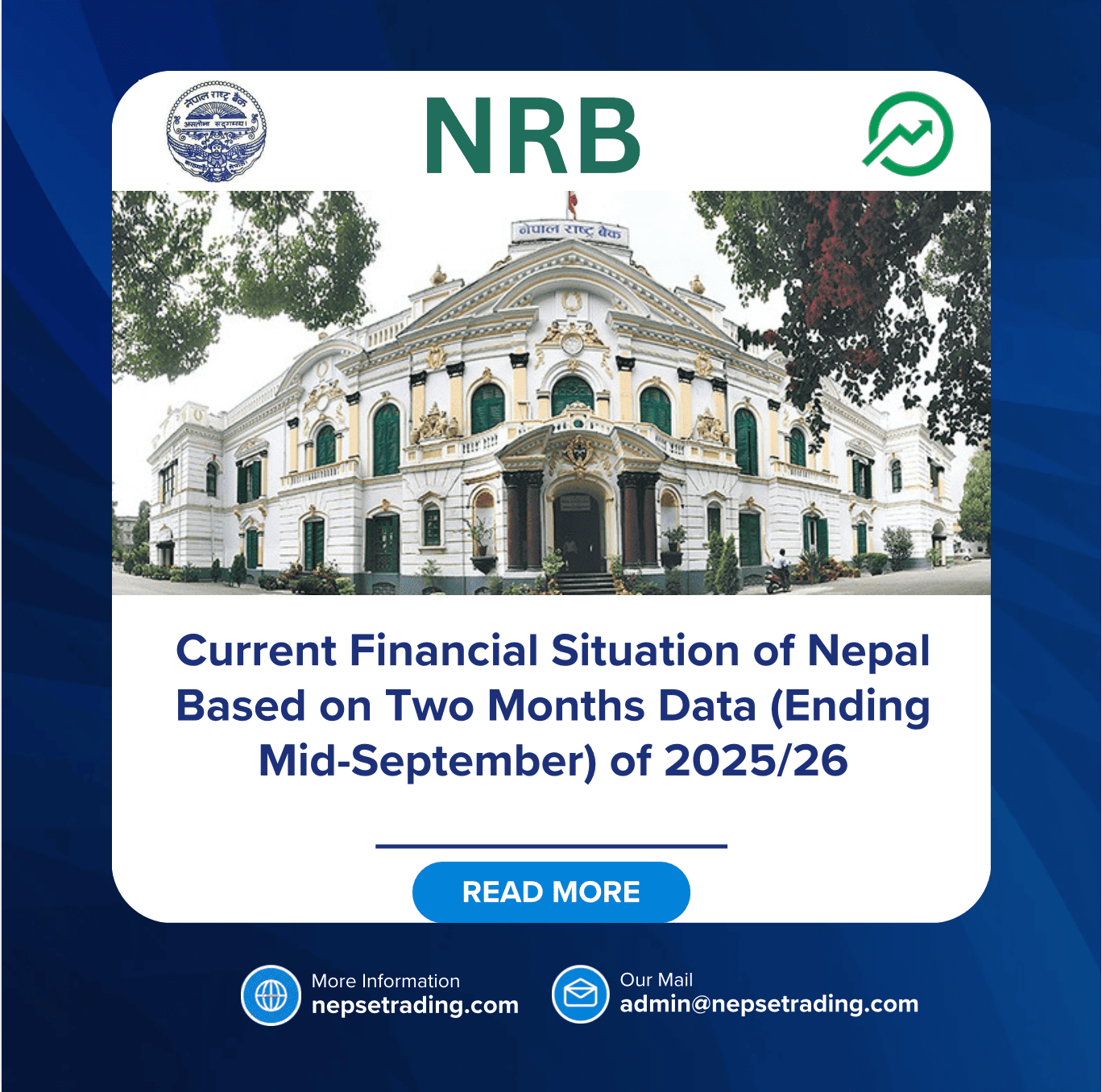
Nepal’s foreign assets in USD have continued to expand steadily in the fiscal year 2025/26, reflecting the country’s improving external sector and a stable currency environment. According to the Nepal Rastra Bank’s (NRB) Mid-September 2025/26 Economic Update, the nation’s gross foreign assets reached USD 21.53 billion, marking a 4.8% increase from mid-July 2025. The sustained growth is attributed to strong remittance inflows, a rise in tourism earnings, and effective monetary management that has preserved both liquidity and exchange rate stability.
The report highlights that foreign exchange reserves climbed to USD 20.41 billion, up 4.7% over the two-month period. Within this, convertible reserves—those readily available for international trade and settlements—rose by 5.5% to USD 15.82 billion, while inconvertible reserves grew by 2% to USD 4.59 billion. These figures reflect Nepal’s robust external liquidity, with the reserves now capable of covering 16 months of total imports and nearly 20 months of merchandise imports, one of the strongest positions in South Asia.
The Nepal Rastra Bank’s own holdings of foreign assets increased by 4.2% to USD 19.42 billion, while Bank and Financial Institutions (BFIs) saw a 10.6% growth, reaching USD 2.12 billion. The Net Foreign Assets (NFA) rose by 5.2%, standing at USD 20.42 billion as of mid-September 2025. Simultaneously, foreign liabilities decreased by 2.4%, underscoring Nepal’s strengthening external balance. The foreign reserves-to-GDP ratio improved to 47.2%, and the reserves-to-import ratio climbed to 133.1%, reaffirming the country’s external sustainability.
NRB’s report also emphasizes exchange rate stability, with the Nepali rupee trading at an average of Rs 141.14 per USD during mid-September 2025. Despite global dollar volatility, Nepal’s currency has remained relatively stable due to the country’s pegged exchange rate system with the Indian rupee and prudent reserve management. The rise in reserves has also provided the central bank with greater flexibility to manage exchange rate fluctuations and maintain domestic price stability.
Economists credit the NRB’s conservative foreign exchange policy, improved remittance monitoring, and increased coordination with commercial banks for maintaining a balanced external position. They note that consistent growth in USD-denominated assets has not only enhanced the nation’s liquidity but also improved confidence among investors and development partners.
However, analysts warn that long-term sustainability will depend on boosting export competitiveness, enhancing productive sector investment, and reducing dependency on remittance inflows. While the short-term outlook remains positive, structural reforms and trade diversification will be key to maintaining foreign asset stability amid global economic shifts.