By Sandeep Chaudhary
NRB Report 2025/26: Import Growth 16.2%, Export Growth 88.6%
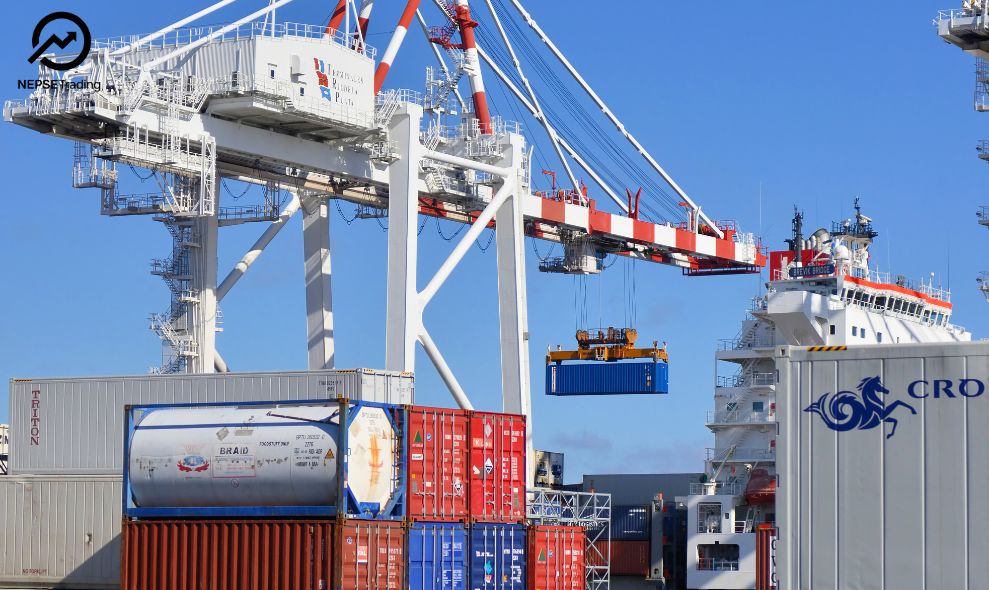
The Nepal Rastra Bank (NRB) has released its Mid-September 2025/26 Macroeconomic Report, showing a strong rebound in Nepal’s foreign trade performance. The data indicates that exports have surged by a remarkable 88.6%, while imports grew by 16.2%, marking a significant turnaround in Nepal’s external sector after several years of weak performance. This sharp rise in export growth highlights improving production capacity, diversification of export goods, and better global demand conditions.
According to the NRB data, Nepal’s total exports reached Rs. 47.3 billion by mid-September 2025/26, compared to Rs. 25.1 billion during the same period last fiscal year. The import value, meanwhile, rose to Rs. 305.2 billion, up from Rs. 262.5 billion a year earlier. Although the trade deficit remains wide, the faster pace of export expansion has helped narrow the trade gap and strengthen Nepal’s current account position, which recorded a surplus of Rs. 130.7 billionduring the review period.
The surge in exports was primarily driven by growth in manufactured goods, agricultural products, textiles, and hydropower-related commodities. Improved trade facilitation, digital customs systems, and consistent supply chain flow have also contributed to this strong performance. Furthermore, favorable exchange rate trends and enhanced market access for Nepali products in India and third-country destinations have bolstered export competitiveness.
Imports, while rising by 16.2%, remained under control compared to previous years when import growth often exceeded 25–30%. Lower global fuel prices, a strong foreign reserve position, and stable domestic consumption patterns helped moderate import growth. NRB’s efforts to maintain balance between import control and economic activity through prudent monetary and foreign exchange management have also supported this trend.
The Balance of Payments (BOP) recorded a surplus of Rs. 153.7 billion, while foreign exchange reserves soared to Rs. 2.88 trillion (USD 20.41 billion), ensuring over 13 months of import coverage. The strong reserve position provides a cushion for external shocks and reflects improved financial discipline. Additionally, remittance inflows jumped by 33% to Rs. 352 billion, further supporting external stability and domestic liquidity.
Economists view this strong export performance as a positive sign of structural improvement in Nepal’s external sector. However, they also emphasize the need to diversify export destinations, reduce overdependence on a few products, and enhance industrial competitiveness through investment-friendly policies and infrastructure development.