By Sandeep Chaudhary
NRB Review 2025/26: Domestic Credit Growth Moderates to 5.5%
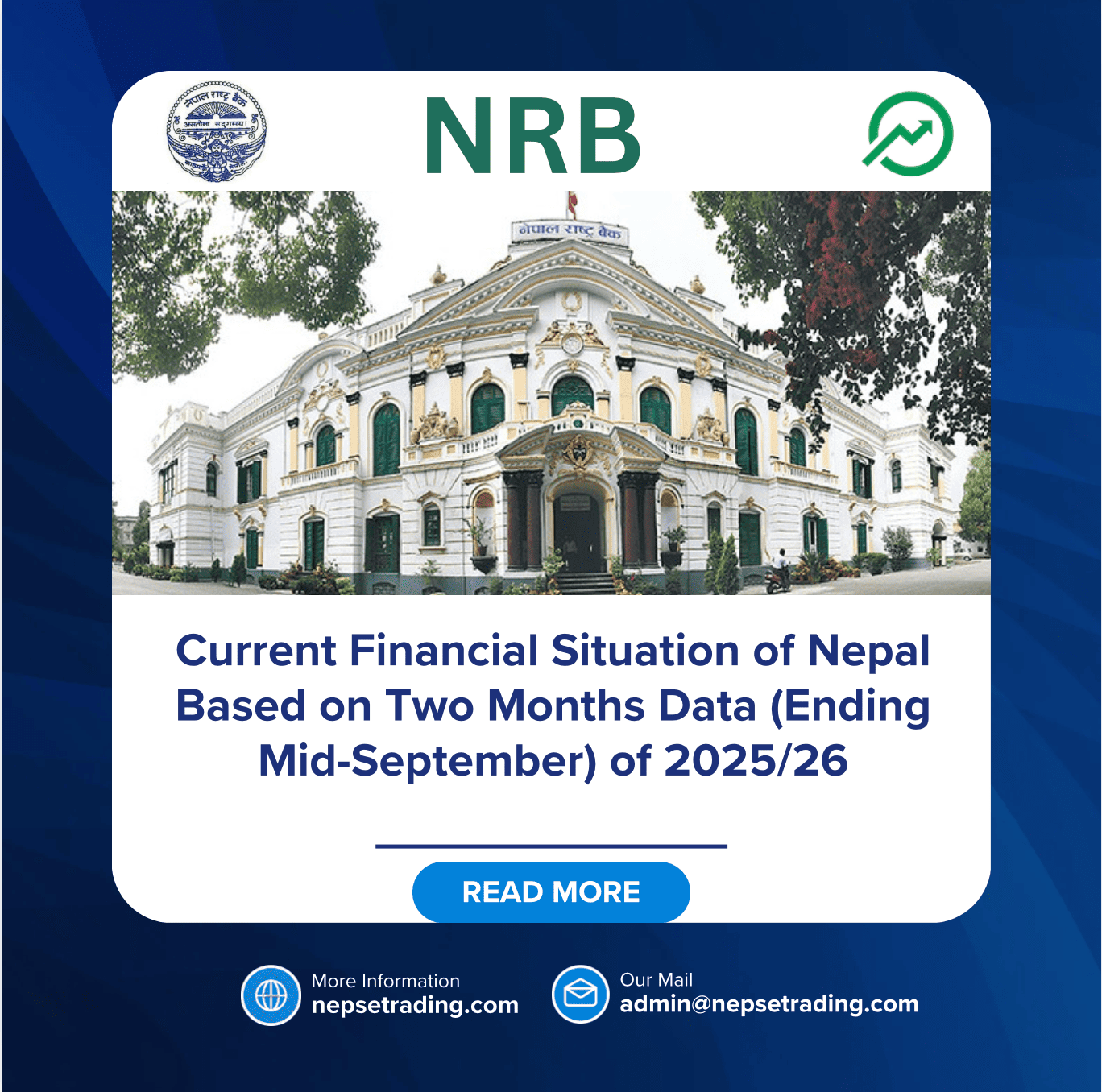
The Nepal Rastra Bank (NRB), in its Mid-September 2025/26 Macroeconomic Review, reports that domestic credit growth has moderated to 5.5%, reflecting cautious lending trends in the banking system amid a stable yet slow-paced economic recovery. The moderation follows years of double-digit expansion, suggesting a transition toward a more balanced credit environment with controlled risk exposure.
According to NRB data, claims on the private sector grew by 7.3%, while total domestic credit — including government borrowing — expanded by 5.5% year-on-year. This deceleration indicates a conservative approach from banks as they prioritize loan quality and compliance with regulatory requirements over aggressive lending. Despite the moderation, liquidity remains adequate, ensuring that the banking system can meet credit demand from productive sectors.
The central bank attributes this moderation to multiple factors, including subdued investment appetite, slower project implementation, and lower credit demand due to reduced borrowing costs and cautious business sentiment. The base rate fell to 5.72%, and the lending rate averaged 7.66%, making credit cheaper — yet borrowers have been selective, reflecting a period of cautious optimism.
Meanwhile, total deposits in the banking system rose by 12.4% to Rs. 7.29 trillion, outpacing credit growth and contributing to ample liquidity across commercial banks. The broad money supply (M2) also expanded by 12.4%, signaling that financial conditions remain supportive for credit expansion once economic activity accelerates.
The decline in inflation to just 1.87%, combined with a stable external sector — including a current account surplus of Rs. 130.7 billion and foreign reserves exceeding Rs. 2.88 trillion — has further improved financial stability. However, the mismatch between deposit and credit growth suggests that banks are still prioritizing liquidity management over aggressive lending strategies.
Economists believe that the slowdown in credit growth reflects a cautious recalibration phase in Nepal’s financial system. While the reduced pace of lending may temporarily limit private sector expansion, it also helps prevent the buildup of non-performing loans and supports long-term financial sustainability. Moving forward, NRB emphasizes the importance of directing available credit toward productive and employment-generating sectors, such as agriculture, hydropower, and manufacturing, to sustain real economic growth.