By Sandeep Chaudhary
Seasonal Inflation Patterns: How Prices Shift Month by Month in Nepal’s CPI
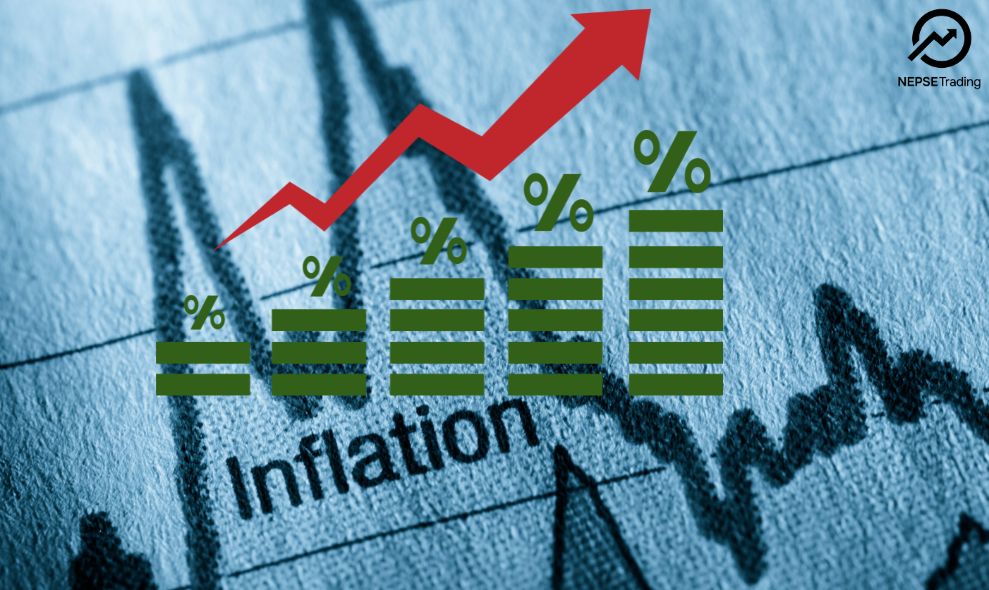
Nepal’s monthly CPI trends reveal that inflation is not constant but shifts in seasonal cycles influenced by agriculture, festivals, weather, and import costs. In August and September, inflation starts moderately, around 3–4%, as the monsoon season slows agricultural supply but households prepare for upcoming festivals. By October, inflation rises to 4.82%, reflecting strong Dashain-related demand for food, clothes, and travel. The sharpest surge comes in November (5.60%) and December (6.05%), when Tihar and Chhath festivals, combined with winter shortages of vegetables and cereals, push food prices upward. Heating, utilities, and transport costs also increase during this period, making it the most expensive quarter for households.
From January to March, inflation gradually softens, falling from 5.41% in January to 3.75% in March. This easing is largely due to the arrival of new harvests that improve food supply, though service-related costs like education and healthcare keep overall inflation steady. By April to June, inflation drops further to around 2.7–3.4%, the lowest in the fiscal year, supported by abundant agricultural production and relatively stable imports. In July, inflation settles at 2.20%, showing how the harvest cycle and policy stability ease consumer burdens before the next seasonal upswing begins.
This pattern highlights Nepal’s dual inflation structure—food prices drive short-term seasonal swings, while non-food and services provide a steady upward push throughout the year. For consumers, it means household budgets face the most pressure in festival and winter months, while relief comes during harvest and monsoon seasons. For policymakers, it shows that inflation management requires both seasonal interventions in food supply and long-term reforms in service costs.