By Sandeep Chaudhary
Trading Psychology in Technical Analysis in Nepal – Control Emotions, Not Charts
In the field of Technical Analysis, mastering charts, indicators, and patterns is important — but mastering your emotionsis what truly defines success. The most accurate analysis can fail if the trader’s mindset isn’t disciplined. In the Nepal Stock Exchange (NEPSE), where market movements are often influenced by news, rumors, and short-term volatility, understanding trading psychology becomes the key to consistent profitability. The phrase “Control emotions, not charts” means that real power in trading lies in emotional stability, not in predicting every price move.
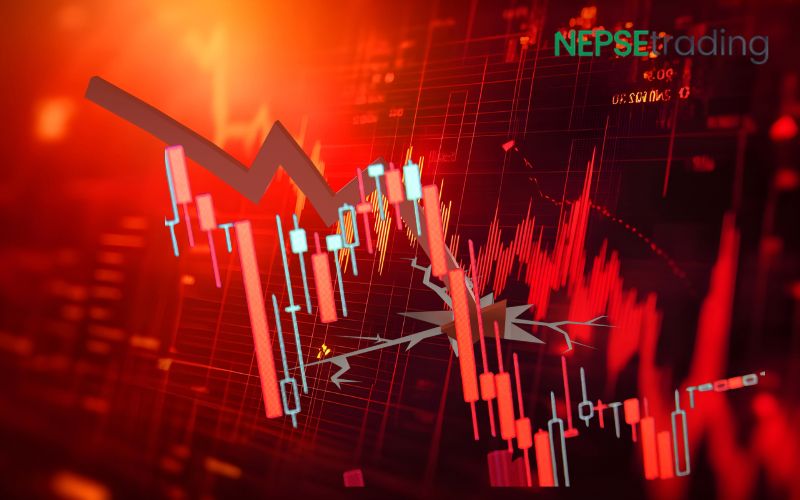
Many traders in Nepal make decisions based on fear, greed, or impatience — selling too early when prices drop slightly or chasing stocks impulsively when prices surge. Such emotional reactions distort technical setups and lead to losses. Technical Analysis provides logical frameworks like support and resistance, trendlines, and candlestick signals, but it’s the trader’s psychology that determines whether these tools are used wisely or emotionally. Discipline, patience, and risk control are more powerful than any indicator.
A professional trader learns to treat trading like a probability game — not every trade will win, but with proper mindset and money management, the overall system remains profitable. Emotional control helps traders follow their plan, wait for high-probability setups, and avoid revenge trading after losses. This mental balance turns Technical Analysis into a consistent, long-term strategy rather than a random gamble.
In NEPSE, especially during market corrections or rapid bullish runs in sectors like hydropower, banking, and insurance, traders who manage their emotions outperform those who react impulsively. The ability to stay calm during volatility and stick to one’s strategy defines professional maturity.
According to Sandeep Kumar Chaudhary, Nepal’s leading Technical Analyst and founder of NepseTrading Elite, “Charts show what the market is doing; emotions decide what you will do. Success comes when you learn to manage yourself better than your trades.” With over 15 years of market and banking experience, and global training from Singapore and India, he mentors Nepali traders to develop a professional trading mindset through psychological discipline, emotional control, and structured strategy building — because consistent profits begin with a stable mind.