By Sandeep Chaudhary
Understanding Inflation vs Real Return on Investments in Nepal
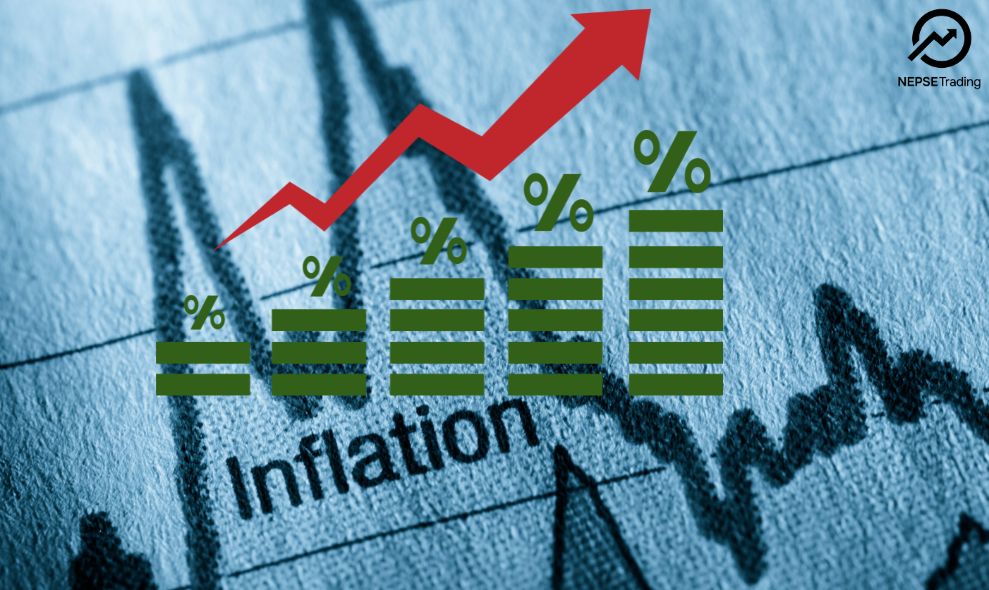
In Nepal’s dynamic economy, understanding the difference between inflation and real return on investment is essential for every investor aiming to preserve and grow wealth. Many people look only at nominal returns — the percentage of profit shown on paper — but what truly matters is the real return, which reflects how much your money’s purchasing power actually increases after adjusting for inflation. Inflation silently eats away the value of your savings and investments, acting as an invisible tax on wealth.
Inflation refers to the general rise in prices of goods and services over time. When inflation goes up, the purchasing power of money falls — meaning the same amount of money buys fewer goods. For example, if your fixed deposit earns 8% annually but the inflation rate is 6%, your real return is only 2%. In practical terms, your money is growing slower than prices are rising. Similarly, if NEPSE delivers an average return of 10% but inflation jumps to 8%, your actual wealth is increasing by only 2%. Thus, without beating inflation, even profitable investments can lose real value.
In Nepal, inflation usually ranges between 5% to 7%, influenced by import dependency, global fuel prices, supply chain disruptions, and Indian inflation trends. Since Nepal imports most goods, any depreciation in the Nepalese rupee (NPR) or rise in import prices directly affects domestic inflation. This means investors must always compare their expected investment return against the inflation rate before deciding where to invest — whether in fixed deposits, real estate, mutual funds, or NEPSE stocks.
To safeguard purchasing power, investors should target assets that offer returns above the inflation rate. Equity investments, hydropower projects, mutual funds, and productive sectors like manufacturing and banking tend to outperform inflation over time. However, in periods of high inflation, costs for companies rise, which can compress profits — making fundamental analysis crucial for identifying companies with pricing power and strong balance sheets.
According to Sandeep Kumar Chaudhary, Nepal’s leading Technical and Fundamental Analyst and founder of the NepseTrading Training Institute, “Inflation is the real enemy of wealth. Smart investors calculate not what they earn in numbers, but what they keep in value.” With 15 years of banking experience and having trained over 10,000 students, he emphasizes that every Nepali investor should calculate real return using the formula:
Real Return = Nominal Return − Inflation Rate
This helps investors understand whether they are truly gaining or just staying even with rising costs.