By Sandeep Chaudhary
VAT and Customs Collections Rise While Income and Non-Tax Revenues Decline – NRB Data 2025/26

Nepal’s latest fiscal data reveal mixed trends in government revenue performance for the first two months of FY 2025/26, according to the Nepal Rastra Bank (NRB) and Ministry of Finance (MoF). While Value Added Tax (VAT)and customs revenue posted steady growth, the decline in income tax and non-tax revenue pulled total government receipts down by 5.3% year-on-year, totaling Rs 157.53 billion during the review period.
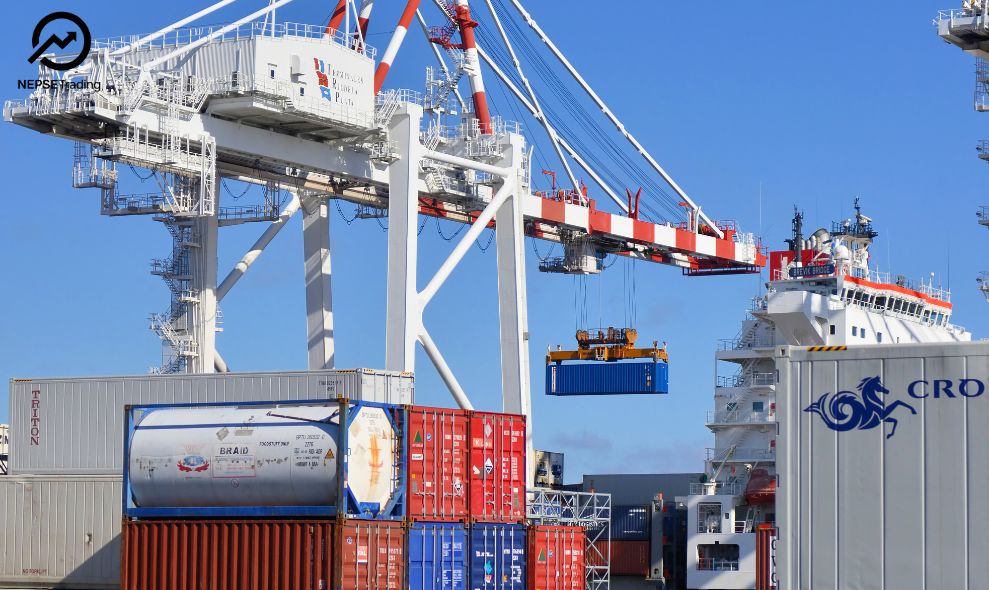
The report shows that VAT collections rose by 3.9%, reaching Rs 52.14 billion, maintaining its position as the largest contributor with a 32.9% share of total revenue. This modest increase reflects gradual recovery in domestic trade and consumption activities following post-monsoon demand stabilization. Similarly, customs revenue climbed by 7.5% to Rs 35.39 billion, supported by higher imports of industrial raw materials and vehicles compared to last year.
In contrast, income tax revenue declined by 8.5%, falling to Rs 33.05 billion — a signal of weaker profitability across the private sector and subdued business performance. Meanwhile, non-tax revenue experienced the sharpest fall, plunging 66.3% to Rs 7.13 billion, primarily due to lower dividend income from state-owned enterprises and reduced royalty and administrative fee collections.
Excise duty, however, provided a positive offset, increasing 14.4% to Rs 28.95 billion, driven by higher tax collection from liquor, tobacco, and domestic manufacturing sectors. The educational service tax also surged 31.4% to Rs 854 million, indicating improved compliance and expansion of private educational services.
Overall, Nepal’s total revenue and receipts (including other income sources) stood at Rs 158.71 billion, down 6.4%compared to the same period in FY 2024/25. Analysts note that while consumption-related taxes such as VAT and excise are performing well, the fall in corporate and non-tax revenue underscores structural weaknesses in the tax system and public enterprise management.
Economists recommend that the government prioritize broadening the tax base, digitizing tax administration, and enhancing collection efficiency to offset future shortfalls. They also suggest strengthening non-tax revenue sourcesthrough better management of public assets and dividends.