By Sandeep Chaudhary
Why Chart Reading Is Essential for Successful Trading in NEPSE
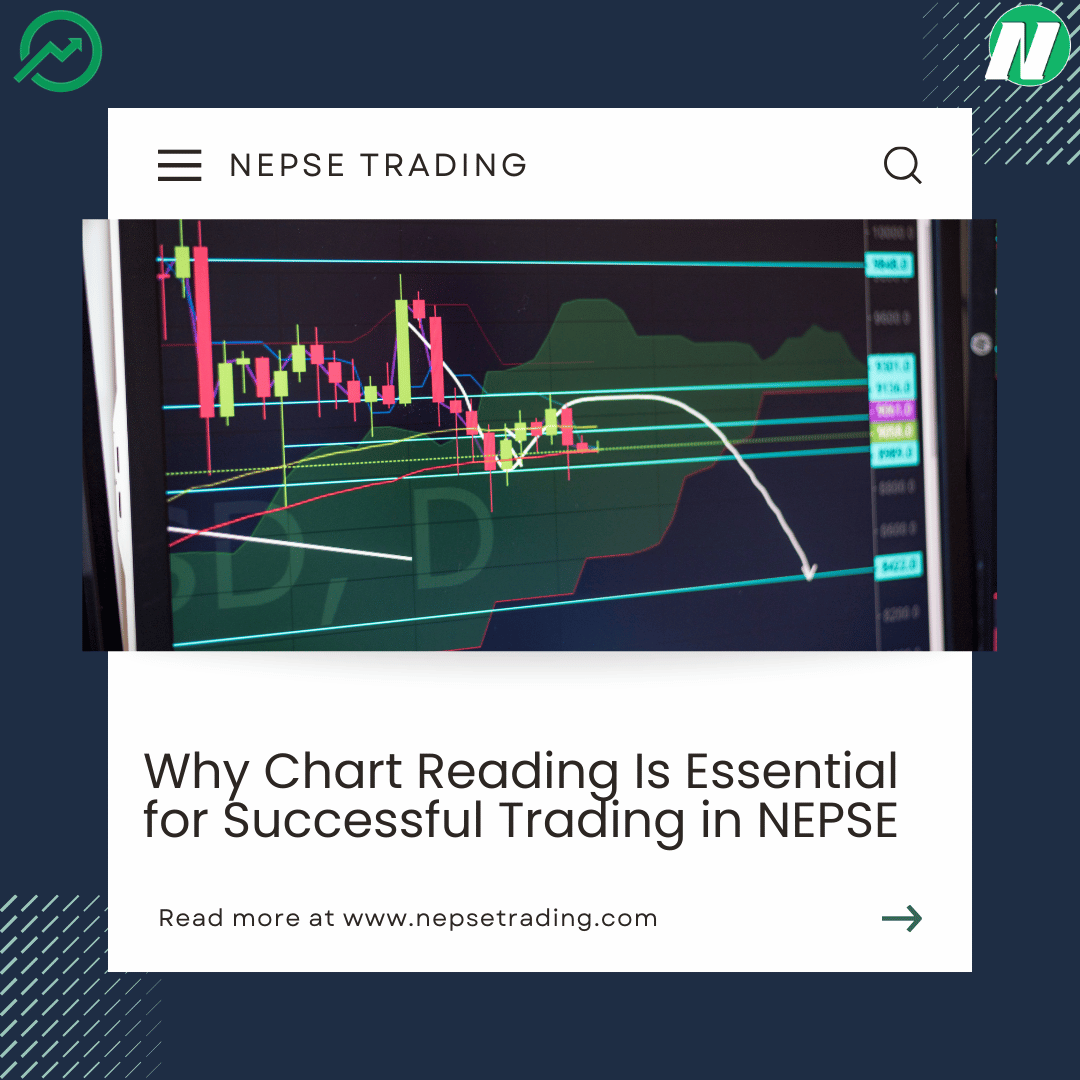
Chart reading is the foundation of successful trading — it is the language through which the market communicates with traders. Every price movement, every candle, and every trendline tells a story about what buyers and sellers are doing. For traders in the Nepal Stock Exchange (NEPSE), understanding charts is not just an advantage — it’s a necessity. Without chart reading skills, traders are blind to market psychology and end up trading based on emotion, rumors, or luck.
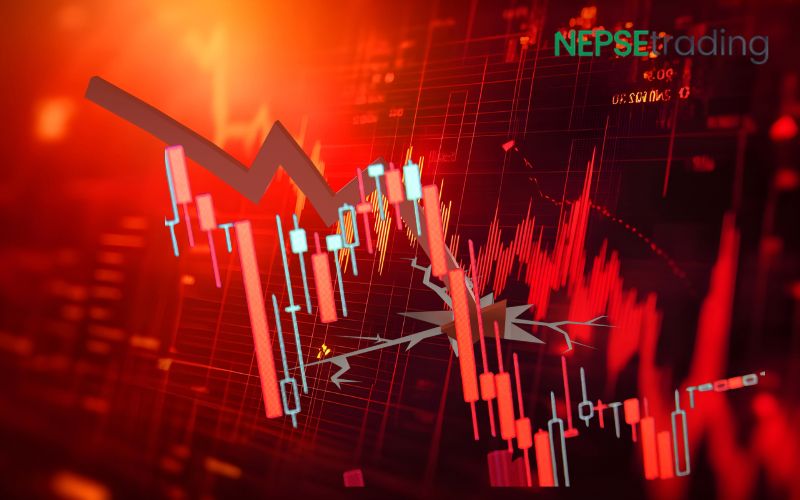
Charts reveal the truth behind price. While news and social media may mislead, the chart never lies — it records what is actually happening, not what people say is happening. Through candlestick patterns, support and resistance levels, trendlines, and indicators such as RSI and MACD, traders can identify when the market is strong, weak, or ready for a reversal. For example, a bullish engulfing candle near a strong support often signals the start of a new upward trend, while a doji or long wick at resistance can warn of upcoming weakness.
In the NEPSE market, which is often emotional and less liquid compared to global markets, chart reading becomes even more important. It helps traders detect institutional buying (accumulation), distribution phases, and false breakoutscaused by retail panic. By analyzing chart structures — such as double tops, triangles, and breakouts — traders can enter trades at the right time and exit before major reversals. Essentially, chart reading replaces guesswork with data-driven confidence.
Sandeep Kumar Chaudhary, Nepal’s best Technical Analyst and founder of NepseTrading Elite, has been at the forefront of teaching professional chart reading in Nepal. With over 15 years of banking and market experience, and specialized training from Singapore and India, he has taught over 10,000 students to read charts like professionals. His teaching emphasizes that “Price is the ultimate indicator.” He trains students to combine candlestick psychology, price action, and volume analysis — allowing them to decode the real story behind every price movement in NEPSE.