By Sandeep Chaudhary
Why Ghee & Oil Prices Jumped Over 10% in Nepal’s July–August Inflation Data
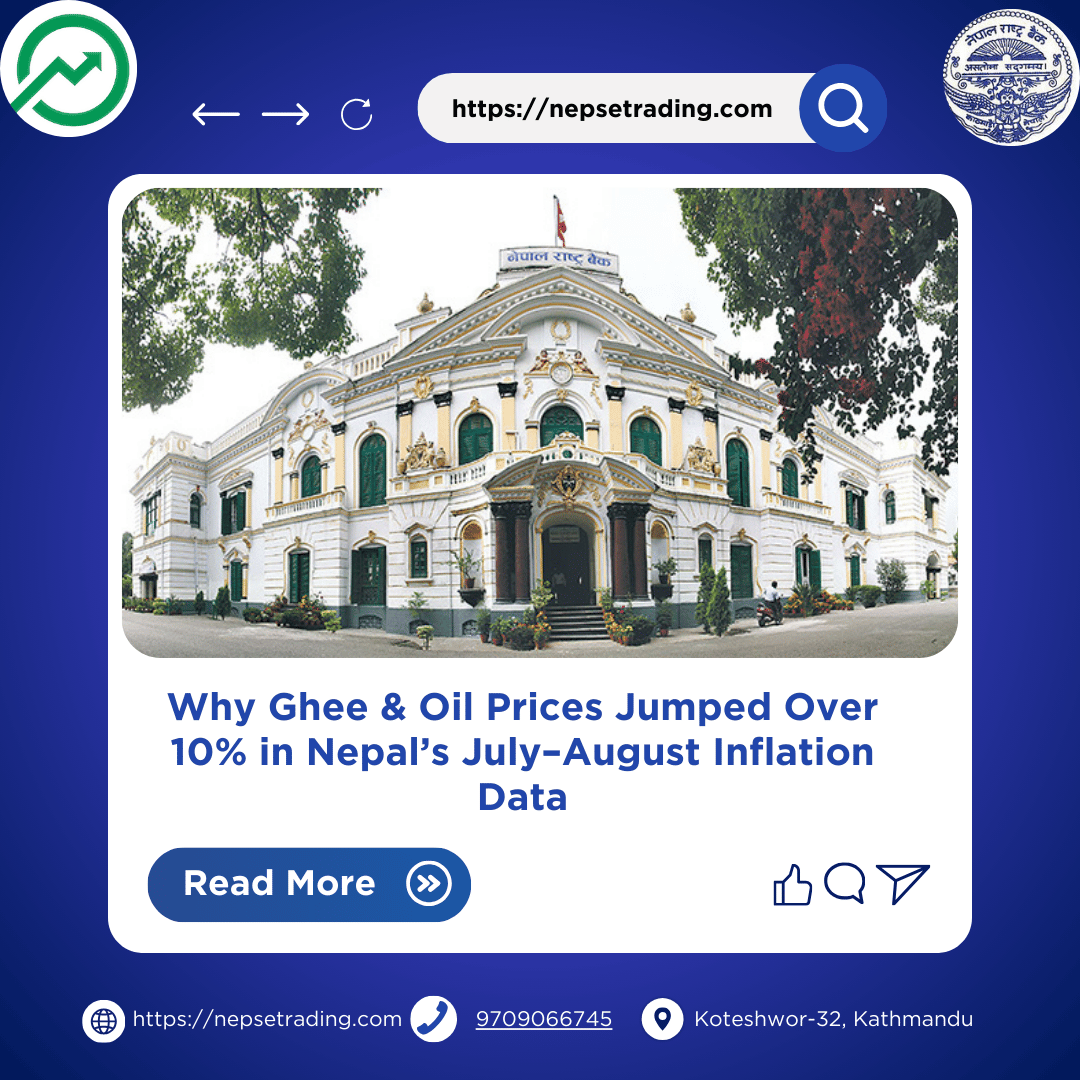
Nepal’s mid-month CPI data for July–August 2025/26 shows that while overall inflation rose moderately by 1.68% year-on-year, one of the most striking trends was the sharp surge in ghee and oil prices, which increased by 10.97% overallcompared to the same period last year. In rural areas, the rise was even higher at 11.86%, while urban consumers saw a jump of 10.57%, making edible oils and ghee one of the strongest drivers of inflation in the food category.
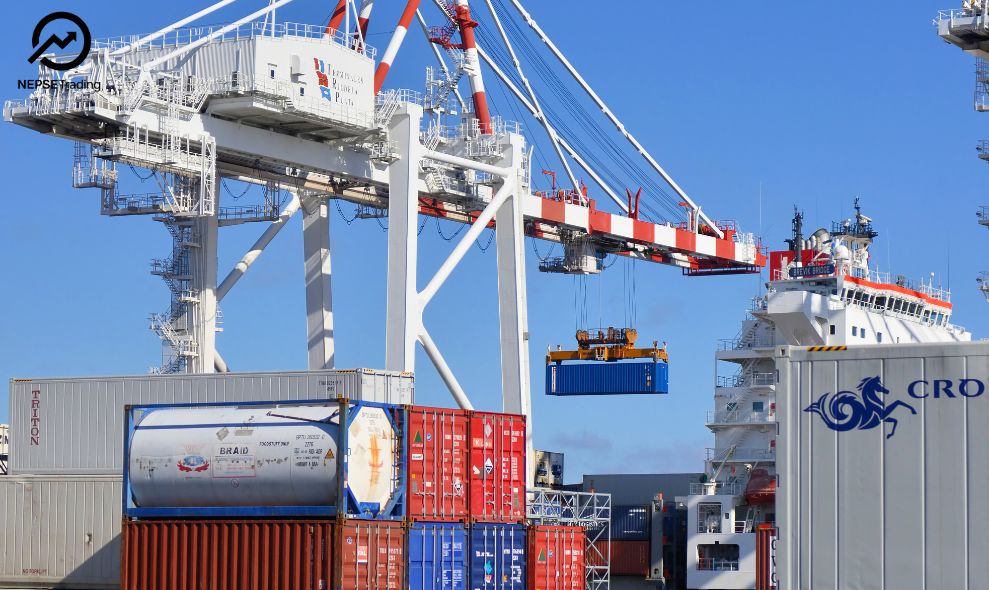
Several factors appear to be behind this steep rise. Firstly, Nepal is highly dependent on imports of edible oil, particularly palm and soybean oil, from India, Malaysia, and other countries. International price fluctuations, often linked to supply chain disruptions, crude oil costs, and export restrictions from key suppliers, tend to spill over into the Nepali market. Secondly, the depreciation of the Nepali rupee against the US dollar and Indian rupee has raised the landed cost of imports, further inflating domestic prices. In addition, transportation and distribution expenses have risen within Nepal, feeding into final consumer costs.
Domestically, demand for ghee and oil remains strong throughout the year, with consumption peaking during the upcoming festival season (Dashain and Tihar). Stockpiling by wholesalers and retailers ahead of festive demand often creates artificial scarcity, pushing prices upward. On top of that, weak regulatory monitoring of pricing in wholesale markets has allowed suppliers to pass on costs directly to consumers without much restraint.
While falling vegetable prices (-18.56% overall) eased part of the food inflation burden, the sharp jump in ghee and oil (+10.97%) highlights how dependent households are on imported essentials. This has widened the gap between food subcategories—where some products are deflating while others are becoming more expensive. For consumers, the trend means kitchen budgets remain under stress, even when some food staples get cheaper.