Dependence on Fertilizer and Grain Imports, but Growing Potential in Spices and Tea
Author
NEPSE TRADING
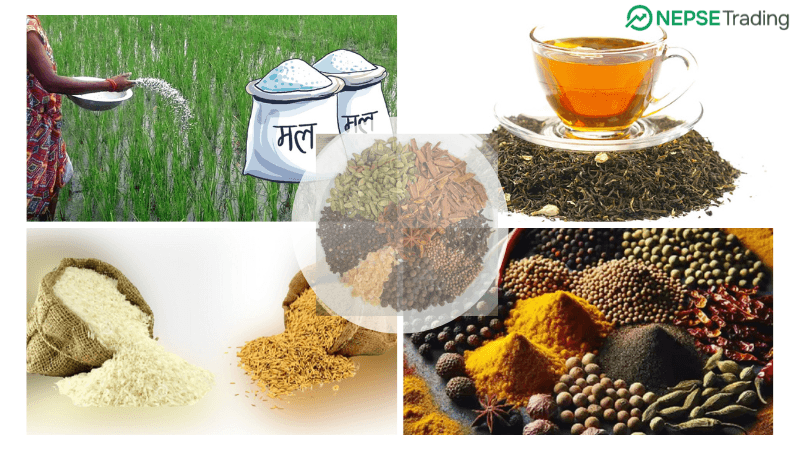
Kathmandu – In the first two months of the current fiscal year 2082/83, Nepal spent heavily on the import of chemical fertilizers and cereal grains. According to the Department of Customs, the country imported fertilizers worth Rs. 16.17 billion and cereals worth Rs. 8.79 billion during this short period. Despite being an agrarian economy, Nepal continues to rely significantly on imports for its basic agricultural inputs and food supplies.
On the other hand, Nepal has shown promising potential in agricultural exports. During the same period, exports of tea, coffee, and spices reached Rs. 18.94 billion. Products like Ilam tea, coffee from Syangja and Palpa, along with ginger and cardamom, are gaining popularity in international markets for their quality and organic appeal.
Experts say that while rising dependence on fertilizer and grain imports poses challenges to food security, spices and tea offer opportunities to earn valuable foreign exchange. They stress that Nepal needs to restructure its agricultural policy—focusing on self-sufficiency in fertilizer and cereal production while simultaneously investing in processing, branding, and international marketing of tea and spices.
If the government can strike this balance, analysts argue, Nepal could reduce its trade deficit while building a more resilient agricultural economy.