Finance Ministry Directs Provinces, Local Units to Waive Charges on Goods in Transit
Author
Marketminds Investment Group
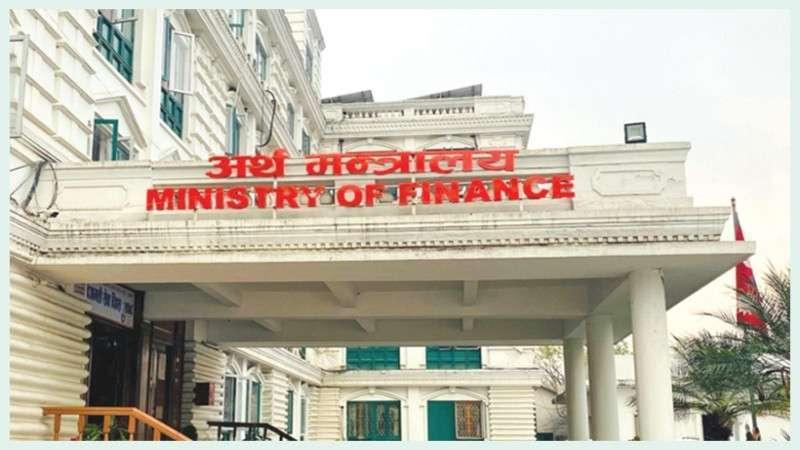
The Ministry of Finance has instructed provincial and local governments not to impose any taxes or fees on goods transported solely for transit purposes. The directive was issued through official circulars sent to provincial governments via the Office of the Prime Minister and Council of Ministers, and to local governments through the Ministry of Federal Affairs and General Administration.
According to the circular, local authorities have been urged to ensure that no charges are levied in a manner that could place an additional financial burden on farmers, traders, or business activities. The ministry emphasized that imposing fees on goods merely passing through a jurisdiction increases transportation costs and disrupts the supply chain, ultimately affecting market prices.
The Finance Ministry reminded local governments that charging taxes or fees on goods transported from another district or local unit—when the goods are not intended for local sale—contradicts constitutional provisions and existing laws. It clarified that the use of local routes for transportation alone does not grant local units the authority to impose any form of tax, duty, or service charge.
The ministry stated that a ministerial-level decision was taken on mid-December to ensure that no taxes, fees, or duties are imposed in violation of the Constitution or prevailing laws. Following this decision, relevant agencies were formally notified to take the necessary steps for implementation.
The directive comes in response to reports that some local governments had been collecting taxes and service charges on agricultural produce and other goods transported from neighboring local units. Such practices, the ministry noted, negatively impact farmers and businesses by increasing costs without legal justification.
The Finance Ministry expects that removing unnecessary transit-related charges will help reduce logistical costs, support farmers and traders, and promote smoother movement of goods across the country, contributing to price stability and improved market efficiency.