Nepal Rastra Bank Reports Economic Recovery After GenZ Movement
Author
NEPSE TRADING
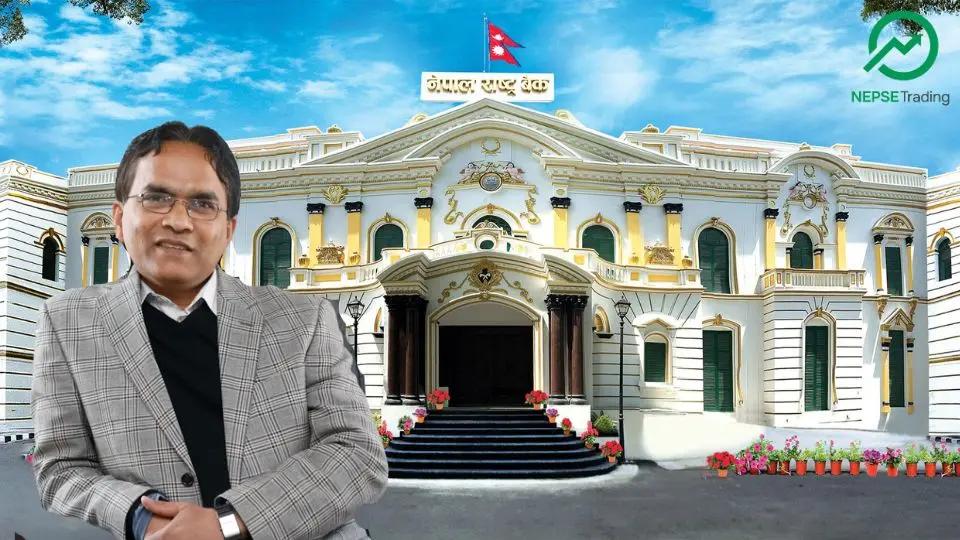
Nepal Rastra Bank (NRB) has stated that the economic damages caused during the GenZ movement in Bhadra are gradually improving. In its “Bagmati Province Economic Activity Report,” the central bank noted that the newly formed government’s focus on peace, security, good governance, and reconstruction has started to generate positive momentum in the economy.
According to the report, the delayed monsoon affected agricultural production, and the GenZ movement temporarily disrupted economic activities in mid-Bhadra. However, economic indicators have since shown signs of recovery. NRB highlighted that the new government’s introduction of relief programs and concessional facilities for affected businesses, along with institutional reforms and reconstruction initiatives, have helped restore stability and confidence in the market.
The bank further mentioned that inflation remains relatively low, and the decline in imported prices is helping to keep consumer inflation within the target range.
The report projects that the contribution of the construction and hydropower sub-sectors will rise in the first quarter of FY 2082/83. The completion and operation of Nepal’s first tunnel highway — the Nagdhunga-Naubise Tunnel — are expected to shorten travel time and ease connectivity with the capital, contributing to higher productivity.
Moreover, additional hydropower projects expected to join the national grid in the coming year will support economic growth. However, NRB cautioned that floods and landslides at the Rasuwagadhi-Kerung border have disrupted the supply of raw materials and industrial goods, potentially exerting short-term pressure on industrial output.
The report also highlighted a significant increase in the number of Nepalis going abroad for employment, leading to a continued rise in remittance inflows. While foreign tourist arrivals dropped during the GenZ movement, tourism has since rebounded, helping revive related sectors such as hotels, transport, and restaurants.
NRB noted steady progress in infrastructure development, including roads, bridges, hydropower projects, transmission lines, and tunnels, supported by both the public and private sectors. However, recent floods and landslides — particularly in the Bhotekoshi area — have caused damage to some infrastructure, which may have short-term negative effects.
Preliminary estimates suggest Nepal’s GDP growth rate for FY 2081/82 will reach 4.6%, up from the revised 3.7% in FY 2080/81. The contribution of the agriculture, industry, and service sectors to the GDP is expected to be 25.2%, 12.8%, and 62%, respectively.