पुँजी बजार सुधार सम्बन्धी कार्यदलको प्रतिवेदनTask Force Submits Report on Capital Market Reforms
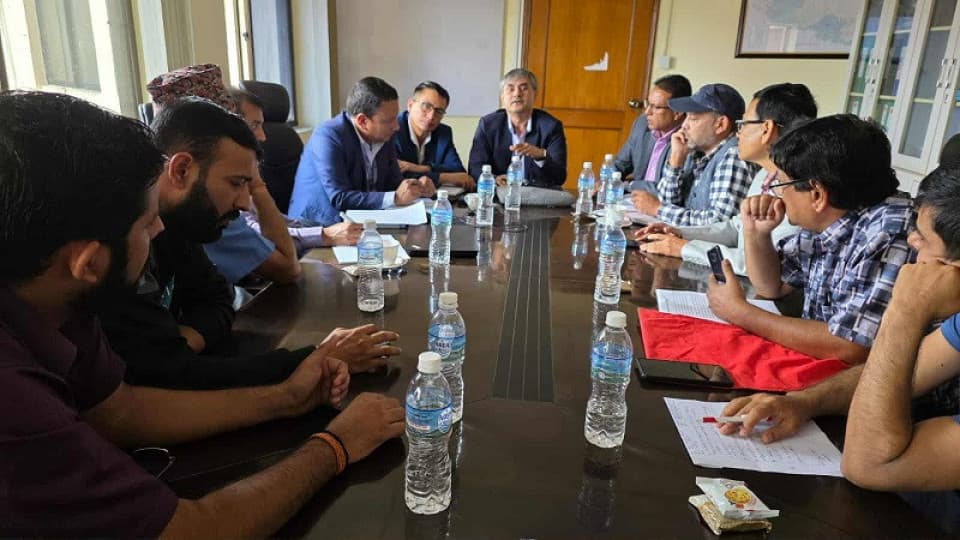
अर्थमन्त्री रामेश्वर खनालले गठन गरेको चार सदस्यीय कार्यदलले पुँजी बजार सुधार सम्बन्धी प्रतिवेदन बुझाएको छ। कार्यदलको संयोजकमा नेपाल धितोपत्र बोर्ड (सेबोन) का कायममुकायम कार्यकारी निर्देशक रुपेश केसी रहेका छन्। अन्य सदस्यहरूमा नेपाल राष्ट्र बैंकका निर्देशक शरण अधिकारी, नेपाल स्टक एक्सचेन्ज (नेप्से) का कामु कार्यकारी निर्देशक निरन्जन फुयाँल तथा अर्थ मन्त्रालयका उपसचिव शरद निरौला रहेका छन्। निरौला सदस्य–सचिव तोकिएका थिए।
यो कार्यदल जेनजी आन्दोलनपश्चात एक साताभन्दा बढी समय बन्द भएको र पुनः खुलेको बजार १६० अंकले घटेपछि तत्काल सुधारका लागि गठन गरिएको हो। पाँच दिनभित्र प्रतिवेदन बुझाउन कार्यादेश दिइएको कार्यदलले आज आफ्ना सुझावहरू अर्थमन्त्रीलाई बुझाएको हो।
तत्काल गर्नुपर्ने सुधार
शेयर धितोमा प्रवाह हुने मार्जिन कर्जाको २५ करोडको सीमा हटाउने।
बैंक तथा वित्तीय संस्थाले सूचीकृत संस्थाको शेयर र ऋणपत्रमा एक वर्षभन्दा बढी अवधिको लागि मात्र लगानी गर्न सक्ने व्यवस्था खारेज गर्ने।
मार्जिन कर्जाको ब्याज बुझाउने म्याद लम्ब्याउने, जरिवाना नलाग्ने गरी।
धितोपत्र दलालमार्फत मार्जिन कारोबार प्रणाली लागू गर्ने।
नेप्से सूचकांकलाई अल–इक्विटी इन्डेक्समा रूपान्तरण गरी, नयाँ सूचकाङ्क विकास गर्ने।
गैरव्यावसायिक शेयर बिक्रीमा लाग्ने पूँजीगत लाभकरलाई अन्तिम करका रूपमा स्पष्ट गर्ने।
बोनस शेयरमा लाग्ने लाभांश कर कम्पनीले नै मिलान गरी भुक्तानी गर्ने व्यवस्था गर्ने।
लगानीकर्ताले दुई वा सो भन्दा बढी हितग्राही खाता खोल्न पाउने।
जेड समूहमा पर्ने कम्पनीको कारोबार गर्दा १००% नगद मार्जिन लिनुपर्ने व्यवस्था गर्ने।
गुनासो व्यवस्थापन संयन्त्र स्थापना गर्ने र लगानीकर्ता साक्षरताका कार्यक्रम चलाउने।
मध्यकालीन सुधार
नेप्सेको पुनर्संरचना गर्दै आईपीओमार्फत पुँजी वृद्धि गर्ने प्रक्रिया सुरु गर्ने।
आयकर ऐनमा सामूहिक लगानी योजनामा गरेको लगानी कट्टी गर्न पाउने व्यवस्था गर्ने।
IPO न्यूनतम १०% को सीमालाई पुनरावलोकन गर्ने।
गैरआवासीय नेपालीलाई दोस्रो बजारमा विदेशी मुद्रामा लगानी र फिर्ता गर्ने व्यवस्था गर्ने।
बुक बिल्डिङ प्रणालीलाई प्रभावकारी बनाउने।
संस्थापक शेयरधनीको लक–इन अवधि चरणबद्ध रूपमा खोल्ने।
बीमा कम्पनीका सहायक कम्पनीलाई धितोपत्र व्यापारीको रूपमा काम गर्ने अनुमति दिने।
दीर्घकालीन सुधार
धितोपत्र बजार सञ्चालन र नियमनका लागि विशेष ऐन र नियमावली निर्माण गर्ने।
नेप्सेमा रणनीतिक साझेदार भित्र्याउने र अन्तर्राष्ट्रिय मापदण्ड अनुसारको कारोबार प्रणाली ल्याउने।
इक्विटी डेरिभेटिभ, इन्ट्राडे, सर्ट सेलिङ, ल्यान्डिङ एण्ड ब्रोइङ प्रणाली भित्र्याउने।
सरकारी तथा संस्थागत ऋणपत्र कारोबारका लागि नीति र संरचना विकास गर्ने।
कार्यदलले नेपालकाे पुँजी बजारलाई अर्थतन्त्रकाे माग अनुरूप स्वच्छ, पारदर्शी, प्रभावकारी र गतिशील बनाउन छोटो, मध्यम र दीर्घकालीन सुधार एकसाथ अघि बढाउनुपर्ने निष्कर्ष निकालेको छ। तत्कालीन सुधारहरू प्रशासनिक निर्णयबाटै सम्भव हुने भएकाले छिटो कार्यान्वयन गर्नुपर्ने, मध्यम तथा दीर्घकालीन सुधारका लागि कानूनी र नीतिगत आधार निर्माण गर्नुपर्ने प्रतिवेदनमा उल्लेख गरिएको छ।
The four-member task force formed by Finance Minister Rameshwor Khanal has submitted its report on capital market reforms today. The task force was led by Rupesh KC, Acting Executive Director of the Securities Board of Nepal (SEBON). Other members included Sharan Adhikari, Director of Nepal Rastra Bank, Niranjan Phuyal, Acting Executive Director of Nepal Stock Exchange (NEPSE), and Sharad Neupane, Under-Secretary at the Ministry of Finance, who also served as the member-secretary.
The task force was created after the stock market, which had remained closed for over a week following the Gen Z movement, reopened last Thursday and plunged by 160 points. The minister directed the committee to submit recommendations and an implementation plan within five days, which was delivered today.
Immediate Reforms Proposed
Removal of the NPR 250 million single-client lending cap for margin loans backed by shares.
Cancellation of the provision requiring banks and financial institutions to invest in listed shares and bonds only for more than one year.
Extension of the interest payment deadline on margin loans until Poush-end (mid-January 2026) without penalty.
Implementation of a margin trading system through brokers.
Development of a new NEPSE All-Equity Index based on free-float shares, to replace the current system, and review of circuit breaker rules.
Clarification that capital gains tax on non-business share transactions is final.
Companies to be responsible for withholding and paying dividend tax on bonus shares.
Investors allowed to open more than one beneficiary (demat) account.
NEPSE to classify listed companies based on financial health and governance, with 100% cash margin required for ‘Z group’ companies.
Establishment of a grievance management mechanism and launch of investor awareness programs.
Medium-Term Reforms Proposed
Restructure NEPSE and initiate capital expansion through an IPO.
Amend the Income Tax Act to allow deductions for investments in mutual funds.
Review the 10% minimum public shareholding requirement for IPOs.
Clear policies for Non-Resident Nepalis (NRNs) to invest in the secondary market in foreign currency and repatriate funds.
Make the book-building system more effective for IPO pricing.
Revise lock-in provisions for promoter shares, allowing phased release.
Permit subsidiaries of insurance companies to operate as securities traders.
Establish a settlement fund and auction market to strengthen market structure.
Long-Term Reforms Proposed
Draft separate specialized laws for securities operation and regulation, financial trustees, securities crimes and penalties, and investment advisory.
Bring in a strategic partner for NEPSE and restructure the exchange.
Introduce international-standard trading systems.
Enable intra-day trading, short selling, equity derivatives, and securities lending & borrowing.
Develop policies for government and institutional bond trading.
The report concludes that Nepal’s capital market must be made clean, transparent, effective, and dynamic to meet the needs of the economy. While immediate reforms can be implemented through administrative decisions, medium- and long-term reforms require amendments to laws, regulations, and policies.
The task force has thus outlined a phased implementation roadmap aimed at restoring investor confidence and addressing systemic issues in the capital market.