By Dipesh Ghimire
Branding of Domestic Liquor Faces Uncertainty in Nepal
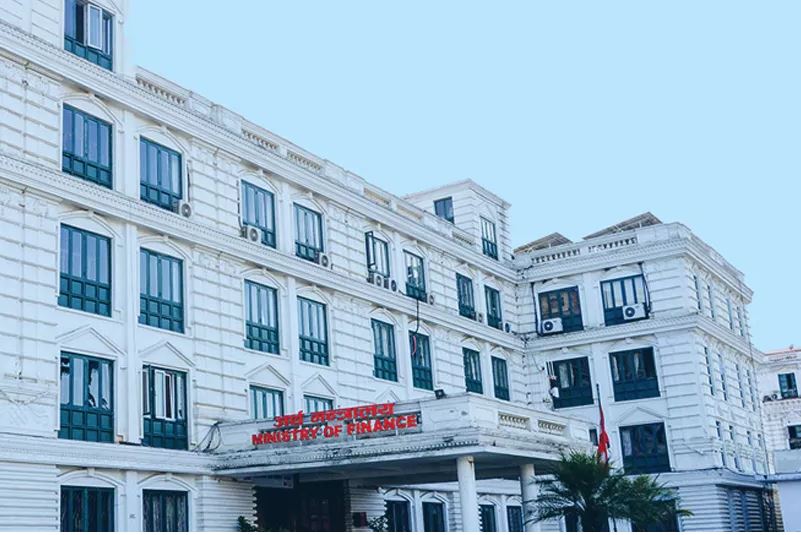
The long-standing tradition of producing homemade liquor in Nepal’s rural areas is facing an uncertain future despite government plans to brand and export these local beverages. The idea of promoting domestic liquor as a viable export product was initially seen as a potential solution to reduce foreign liquor imports and boost the rural economy. However, despite being included in the budget, these plans have yet to be effectively implemented.
A Long-Standing Tradition in Rural Communities
Traditional beverages like Jand, Raksi, Chyang, and Tongba are an integral part of Nepalese festivals, rituals, and hospitality. These beverages have not only cultural and historical significance but also provide an important source of income for many rural communities. Despite this, efforts to formalize and brand these traditional liquors have been hindered by the lack of clear policies, quality standards, and a legal framework. The absence of a structured approach has stalled the progress of domestic liquor in both the local and international markets.
Government System Stifling Potential
Experts in the industry argue that the current government system is failing to facilitate the growth of this sector. According to industry insiders, the bureaucratic hurdles make it nearly impossible for the average person to enter the liquor business. "The system in place limits the potential of homemade liquor," said a local entrepreneur. The government has yet to introduce a simplified process that could allow farmers and small producers to enter the market and benefit from the growing demand for local alcoholic products.
International Appeal of Local Liquor
With the increasing global interest in authentic and traditional alcoholic beverages, the international market presents a great opportunity for Nepali domestic liquor. Despite the complexities involved, there is potential for Nepali products to appeal to international consumers who are looking for unique, artisanal drinks. However, for Nepali liquor to tap into this demand, the government must take decisive action to streamline processes and establish clear branding standards.
The Need for Clear Policy and Support for Producers
Domestic liquor has the potential to not only provide a reliable market for rural farmers but also generate jobs and contribute to economic growth. By branding local alcohol, Nepal could see a significant boost in exports and employment opportunities. However, the lack of clarity in the government's approach to liquor branding and the absence of adequate support for producers have hindered progress. Many producers are frustrated with the government’s lack of action and the lengthy, complicated procedures that have made it difficult to implement effective branding strategies.
The future of domestic liquor in Nepal hinges on the government’s willingness to take the necessary steps to support local producers. With a clear policy, quality control measures, and easier access to export channels, Nepal could see its traditional alcoholic beverages become a competitive product in the global market. It is crucial for the government to address the challenges faced by producers and ensure that the sector can thrive. Only then can domestic liquor become a key player in Nepal’s economic development.