By Dipesh Ghimire
China Tightens Refined Oil Exports as Middle East Conflict Disrupts Global Energy Markets
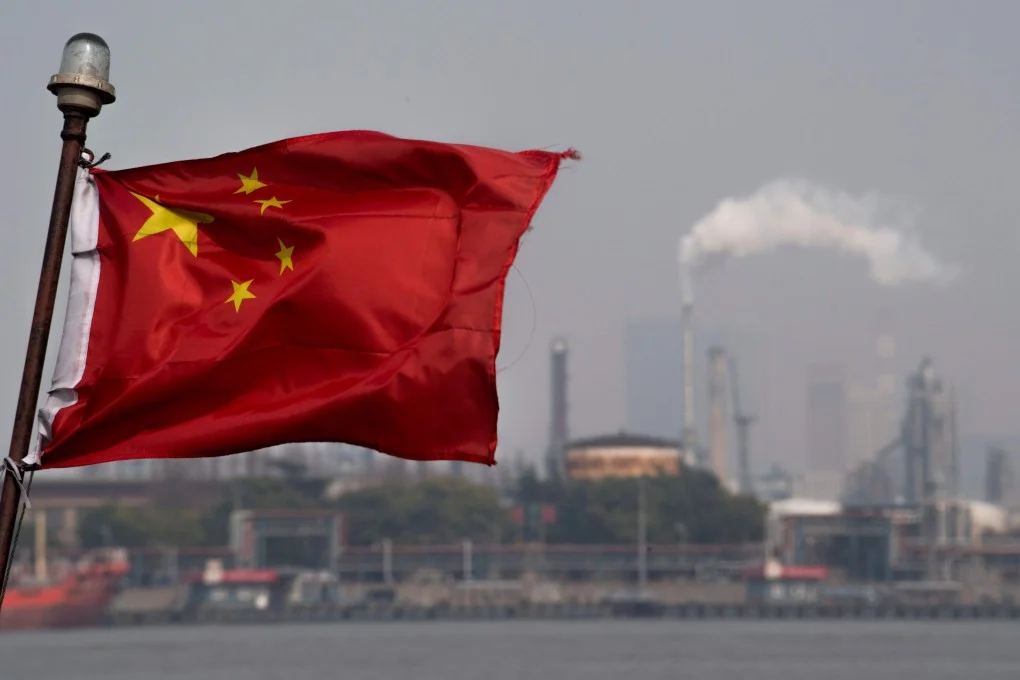
As tensions escalate in the Middle East and global energy markets face growing uncertainty, China has begun tightening controls on the export of refined petroleum products in an effort to safeguard its domestic energy security. Reports from international media indicate that Chinese authorities have started restricting overseas shipments of refined fuels such as petrol, diesel, and jet fuel, signaling Beijing’s cautious approach amid rising geopolitical risks.
China, widely recognized as the world’s second-largest economy, is also one of the largest importers of crude oil globally. Although the country possesses extensive refining capacity capable of processing vast amounts of crude oil, most of its refined fuel production is directed toward meeting domestic demand. However, Chinese refineries have historically exported significant volumes of refined fuels to international markets. Official customs data show that China exported roughly 58 million tons of refined petroleum products last year, making it an important supplier in regional energy markets.
The latest development suggests that Chinese refiners have begun canceling some previously agreed export shipments. According to sources familiar with the matter cited by international reports, several export cargoes scheduled for overseas delivery have been suspended or withdrawn. While the exact scale of these cancellations remains unclear, analysts believe the move reflects Beijing’s intention to prioritize domestic supply as geopolitical uncertainty intensifies.
The tightening of export flows appears to be stricter than earlier guidance reportedly issued last week. At that time, refineries were informally advised to delay shipments temporarily rather than cancel them outright. The latest measures, however, are interpreted by industry observers as a stronger signal that authorities want companies to reduce external commitments until the global situation becomes clearer.
When asked about the issue during a regular press briefing in Beijing, Chinese Foreign Ministry spokesperson Guo Jiakun stated that he was not aware of the specific report regarding export restrictions. Nevertheless, officials have reiterated that China will take all necessary steps to ensure national energy security if global supply conditions deteriorate further.
The developments come at a time when the conflict involving Iran, Israel, and the United States has injected significant volatility into the global oil market. Crude oil prices have surged sharply in recent weeks, with international benchmarks rising above $100 per barrel. Concerns about potential disruptions to energy infrastructure and shipping routes in the Persian Gulf have added to the uncertainty.
One of the most critical chokepoints in global energy trade—the Strait of Hormuz—has become a focal point of concern. Nearly one-fifth of the world’s crude oil supply passes through this narrow maritime corridor, which connects Gulf producers to global markets. Any disruption to shipping in this region could have far-reaching consequences for global energy supply and prices.
Data from energy analytics firm Kpler indicate that more than half of China’s seaborne crude oil imports last year originated from the Middle East. This heavy reliance on the region underscores why Beijing is closely monitoring the evolving situation and taking precautionary steps to secure its domestic fuel availability.
Despite these vulnerabilities, China is considered relatively well prepared to manage short-term supply disruptions due to its large strategic petroleum reserves. Analysts estimate that the country currently holds approximately 1.2 billion barrels of crude oil in onshore storage facilities. Based on current import levels, this reserve could sustain China’s crude supply for roughly 115 days, providing a significant buffer against potential interruptions in global trade routes.
China has previously demonstrated a willingness to deploy these strategic reserves during periods of market pressure. In 2021, Beijing authorized the release of some oil from its national stockpiles after rising industrial inflation increased costs for domestic manufacturers. That decision was announced by the National Food and Strategic Reserves Administration as part of broader efforts to stabilize the domestic economy.
However, despite the current turbulence in global energy markets, Chinese authorities have not yet announced any new release from strategic reserves. Instead, Beijing appears to be relying on preventative measures such as limiting exports and monitoring supply conditions closely.
Energy analysts believe China’s cautious strategy reflects a broader shift toward long-term energy resilience. By controlling exports and maintaining substantial reserves, Beijing aims to protect its domestic economy from sudden supply shocks or price spikes that could result from geopolitical conflict.
The unfolding situation illustrates how regional conflicts can quickly ripple through global commodity markets. As tensions persist in the Middle East, major energy-consuming economies like China are increasingly focusing on securing supply chains and strengthening energy buffers to reduce vulnerability to external shocks.