By Dipesh Ghimire
Budget Formulation Begins Amid Policy Reset: Government Faces Test of Realism and Delivery
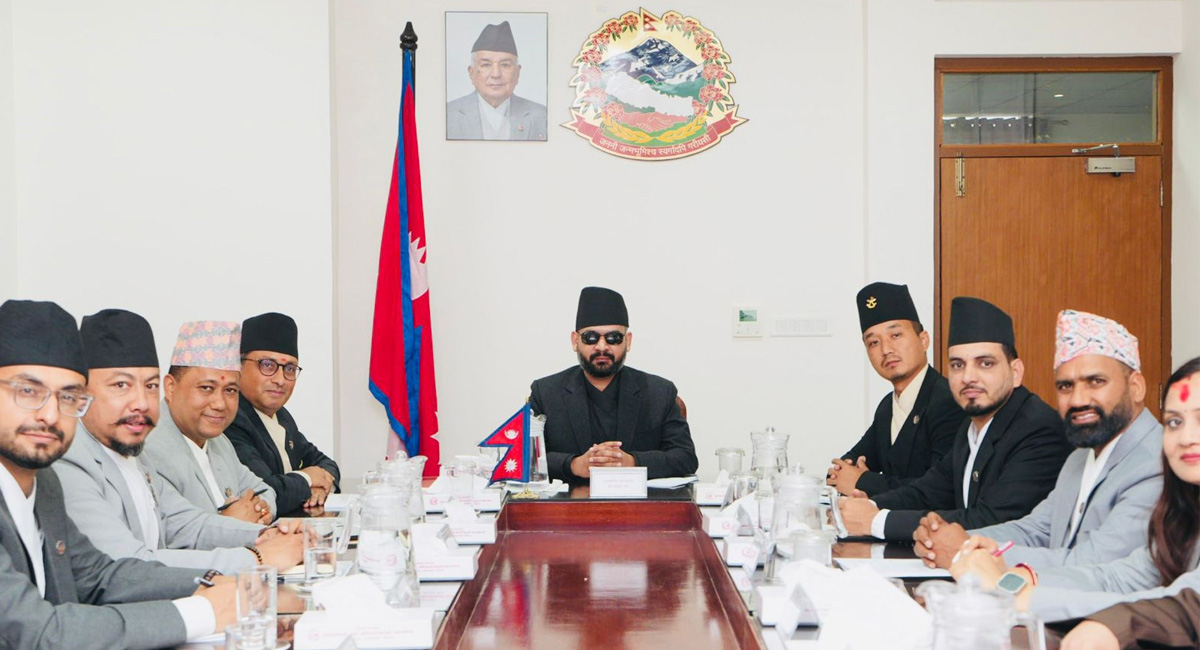
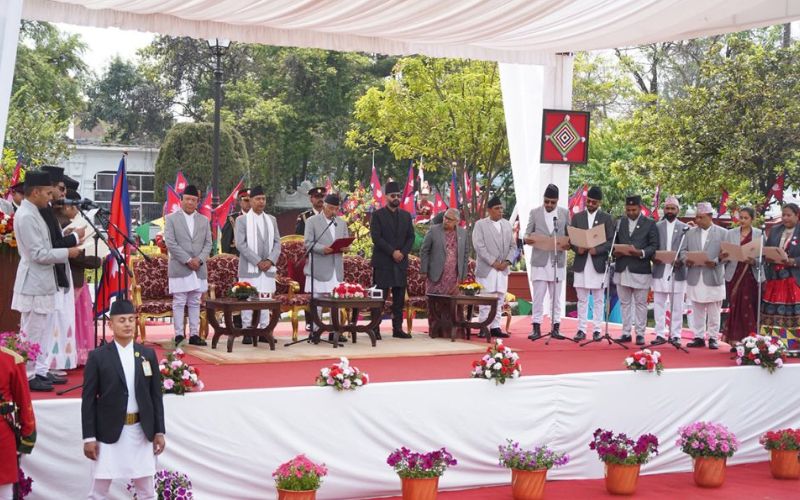
Kathmandu — With the formation of a new government, Nepal has formally entered the early phase of preparing the national budget for the fiscal year 2083/84. The process, led by the Ministry of Finance in coordination with the National Planning Commission, has initiated structured consultations with key ministries, signaling a shift toward aligning political commitments with fiscal planning.
In the first round of discussions, the Ministry of Finance, the Ministry of Foreign Affairs, and the Ministry of Law, Justice and Parliamentary Affairs presented their preliminary plans. According to officials, the focus has been placed on aligning sectoral programs with the Medium-Term Expenditure Framework, budget ceilings determined by the Resource Committee, and policy guidelines issued by the Finance Ministry. This indicates an attempt to maintain fiscal discipline while accommodating new policy priorities introduced by the incoming administration.
Officials suggest that this year’s budget process is being shaped not only by statutory requirements but also by political urgency. The government’s ambitious “100-day reform agenda” and electoral commitments have created additional pressure on ministries to revise or expand their proposals. As a result, the original deadline for submitting budget plans through the Line Ministry Budget Information System (LMBIS) may be extended, reflecting the administrative transition and the need for policy recalibration.
Under the provisions of the Financial Procedures and Fiscal Responsibility Act, 2076, ministries are required to prepare detailed budget proposals within predefined ceilings, including projections for the next three years. However, the practical challenge lies in ensuring that these proposals are not merely aspirational but grounded in realistic cost estimates, implementation capacity, and measurable outcomes. The National Planning Commission has emphasized that only programs meeting strict criteria—such as cost-benefit justification, alignment with periodic plans, and inclusion of past performance data—will be prioritized.
Parallel to the planning process, the Ministry of Finance has begun a comprehensive review of the country’s macroeconomic and fiscal position. A dedicated team comprising senior officials and experts, including representatives from the Nepal Rastra Bank, has been tasked with analyzing key indicators such as revenue trends, expenditure efficiency, liquidity conditions, and monetary stability. The findings, expected within days, are likely to play a critical role in shaping both the size and structure of the upcoming budget.
At the same time, preparatory work for tax policy reforms is underway through the formation of a Revenue Advisory Committee. Efforts are also ongoing to compile the Economic Survey and the “Yellow Book,” which outlines the progress of public enterprises. These documents are expected to provide the empirical foundation for policy decisions, particularly in a context where revenue mobilization has struggled to keep pace with rising expenditure demands.
The emerging picture suggests that the upcoming budget will be defined by a delicate balancing act. On one hand, the government aims to prioritize economic governance, improve public service delivery, and accelerate infrastructure development while promoting production-oriented sectors. On the other hand, it must operate within the constraints of limited fiscal space, uncertain external support, and existing liabilities, including multi-year commitments and pending payments.
Analysts argue that the credibility of the new government will largely depend on whether it can translate policy ambitions into actionable and implementable programs. A budget that overpromises without ensuring execution capacity risks repeating past shortcomings. Conversely, a realistic and disciplined fiscal plan could strengthen investor confidence and set the stage for sustainable economic recovery.
As the consultation phase progresses, attention is increasingly shifting toward how effectively the government can integrate political priorities with economic realities. In a resource-constrained environment, the success of the 2083/84 budget will ultimately hinge not just on allocation, but on execution—an area where Nepal’s public finance system has historically faced persistent challenges.