By Dipesh Ghimire
High-Level Asset Probe Targets Former Prime Ministers, Arrest of Ex-Minister Sparks Political Shockwaves
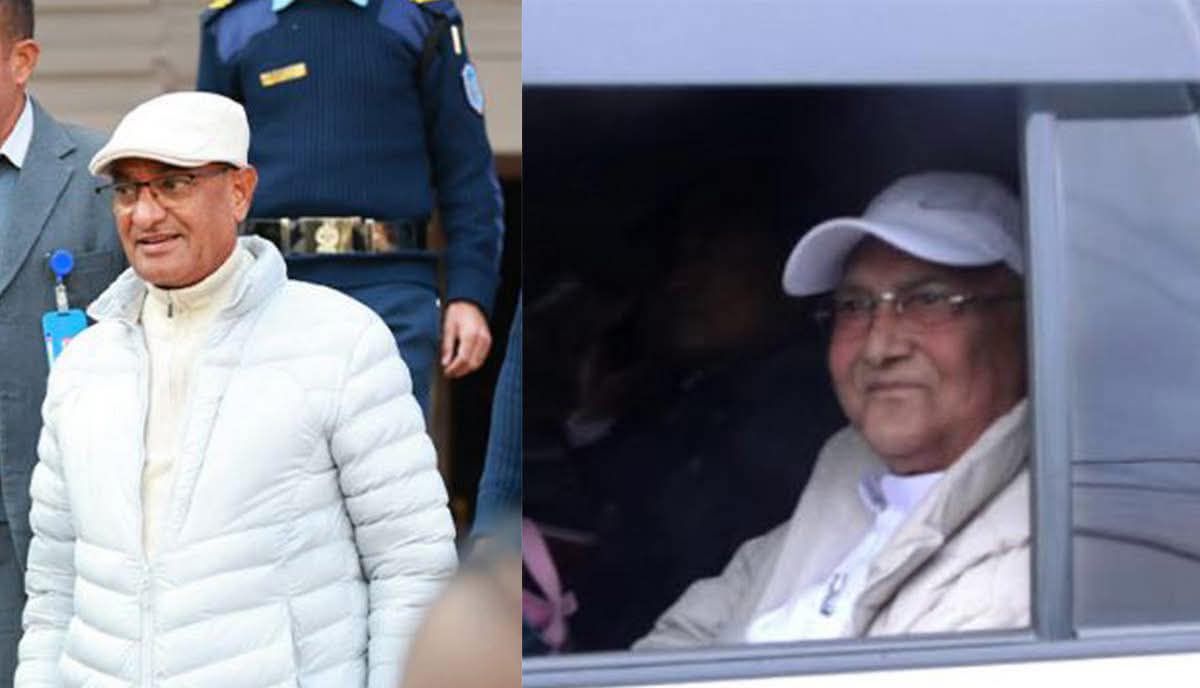
Kathmandu — A major anti-money laundering investigation has reached Nepal’s highest political circles, with authorities initiating detailed scrutiny of assets linked to three former prime ministers and senior political figures. According to officials, the probe is examining the sources of both movable and immovable assets of Sher Bahadur Deuba, KP Sharma Oli, and Pushpa Kamal Dahal, along with former ministers Arzu Rana Deuba and Dipak Khadka and their family members.
The investigation, initiated on the basis of a formal directive from the Department of Money Laundering Investigation, is being carried out by the Central Investigation Bureau. Authorities say the move follows preliminary findings indicating suspicious financial activities, prompting the expansion of the probe to include individuals at the highest levels of political power. The scope of the investigation reflects a rare and significant step toward accountability in a system often criticized for weak enforcement against influential figures.
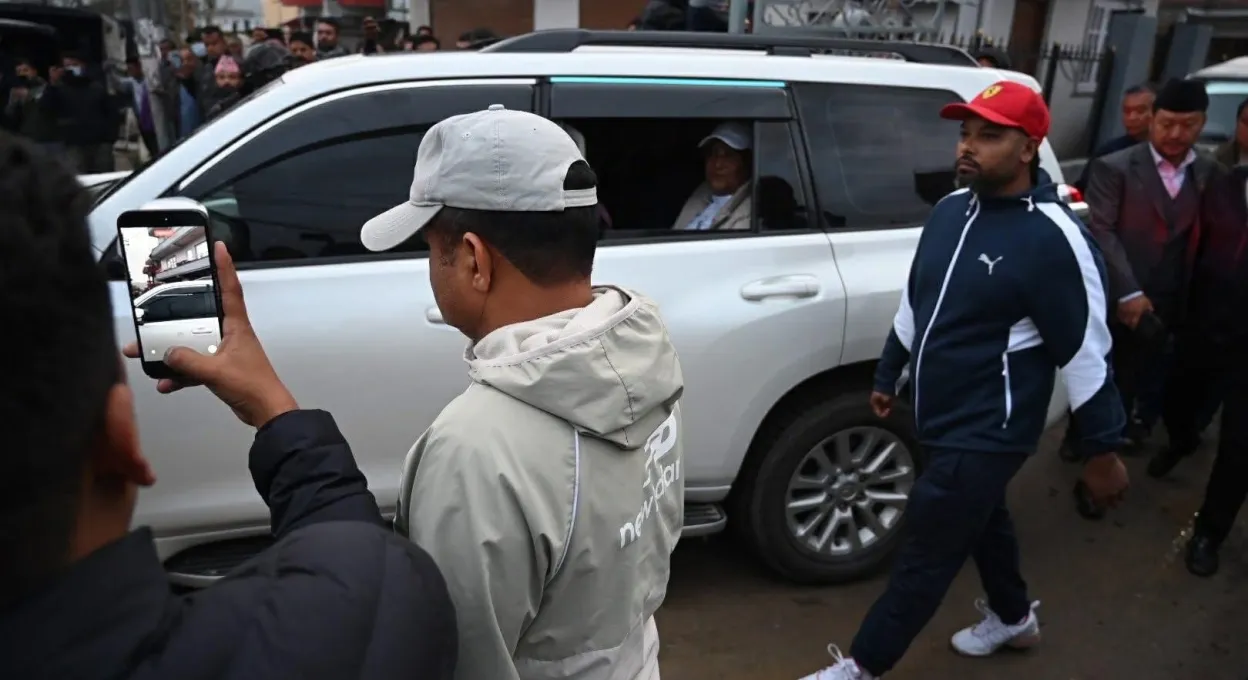
In a parallel development, former minister Dipak Khadka was detained from his residence in Budhanilkantha on Sunday morning. Police confirmed that he has been taken into custody for further investigation and that legal procedures are underway to extend his remand through the district court. His arrest marks the first concrete enforcement action in what could become a broader legal process involving multiple high-profile individuals.
Investigators have linked the case to an earlier incident involving a fire on Bhadra 24, during which partially burned currency notes were reportedly recovered from premises associated with suspects. The discovery appears to have provided a critical breakthrough, leading the Department of Money Laundering Investigation to hand over the case to the Central Investigation Bureau for an in-depth inquiry. This development has intensified the seriousness of the case, shifting it from routine scrutiny to a potentially far-reaching criminal investigation.
The unfolding events have sent ripples across Nepal’s political landscape. The inclusion of former prime ministers in an active investigation is unprecedented in recent history and has triggered intense debate over governance, accountability, and the rule of law. Political analysts suggest that the probe could redefine public expectations around transparency, particularly if it proceeds independently and without interference.
At the same time, concerns have been raised regarding due process and the potential for political implications. Given the stature of the individuals involved, the investigation is likely to face both legal challenges and political scrutiny. Ensuring procedural fairness while maintaining investigative integrity will be crucial to preserving public trust.
As the inquiry progresses, attention will increasingly focus on whether the investigation leads to substantive legal outcomes or remains limited to preliminary actions. Regardless of its eventual trajectory, the case has already altered the political discourse, placing issues of financial transparency and accountability at the forefront of national debate.