By Dipesh Ghimire
Consumer Court Marks One Year with Limited Case Filings Despite Growing Consumer Rights Framework
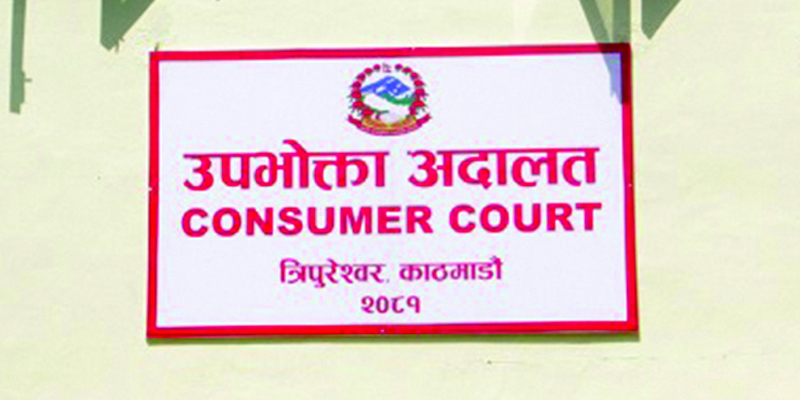
Kathmandu — Nepal’s Consumer Court, established to safeguard consumer rights guaranteed under the Constitution, has completed its first year of operation. The court, which began functioning on Chaitra 2, 2081, was initially set up to handle consumer-related cases within the Kathmandu Valley. Its creation marked a significant institutional step toward enforcing the constitutional provision that recognizes consumer protection as a fundamental right.
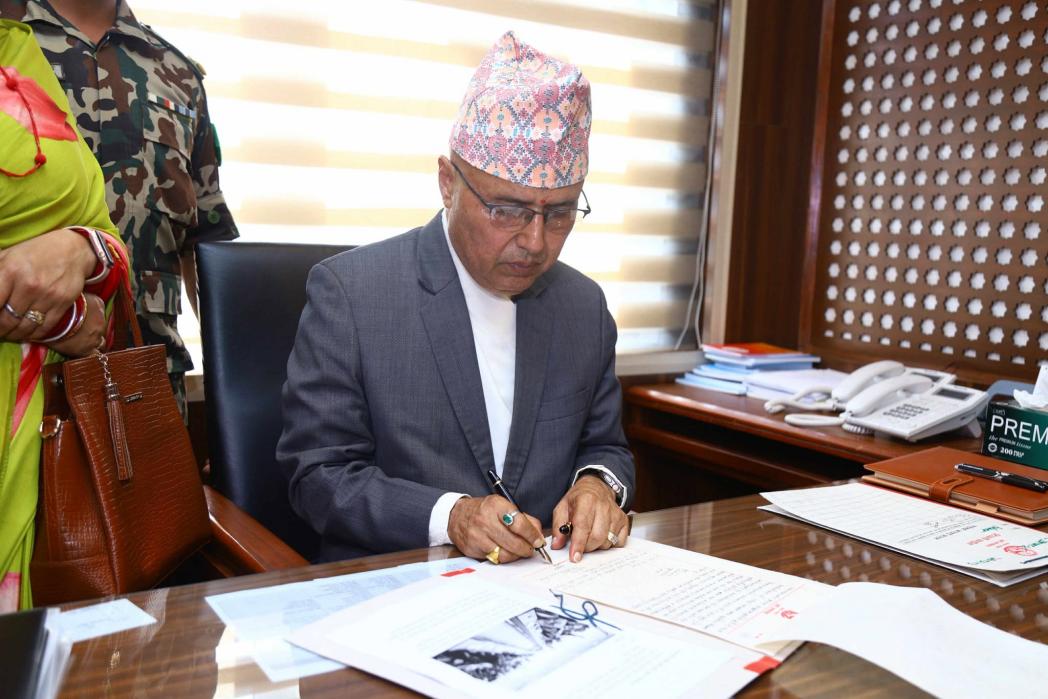
The court was formally inaugurated by Chief Justice Prakash Man Singh Raut. District Court Kathmandu Judge Ram Prasad Sharma was appointed as the chairperson of the consumer court. According to the legal structure of the court, the panel also includes members from the judicial service and the government administration. Special Court spokesperson Gehendra Regmi serves as the judicial member, while Anand Pokharel, a joint secretary-level official from the Ministry of Industry, Commerce and Supplies, represents the government as another member of the bench.
During its first year of operation, the Consumer Court registered a total of 32 cases. Of these, 14 cases have already been decided, while four were settled through mediation. In another four cases, the complainants withdrew their claims, leaving 10 cases still under hearing. Although the number of cases may appear modest for a court designed to protect millions of consumers, officials suggest that the low filing rate reflects broader behavioral patterns among consumers rather than the absence of disputes.
Court officials note that many consumers in Nepal still hesitate to formally challenge unfair market practices. Basic consumer actions such as checking price lists, requesting bills, or questioning the quality of purchased goods are not widely practiced. This lack of awareness and assertiveness often discourages individuals from seeking legal remedies even when their rights are violated.
The establishment of the Consumer Court is closely linked to provisions within Article 44 of the Constitution of Nepal, which guarantees the right of consumers to obtain quality goods and services. The constitution recognizes consumer protection as an essential part of building a fair market system where citizens are protected from exploitation and fraudulent practices.
In addition to the constitutional guarantee, Article 51 (d) (7) of the Constitution outlines broader economic policies aimed at protecting consumer interests. These include eliminating black marketing, monopolistic practices, artificial shortages, and other activities that undermine fair competition. The policy framework emphasizes maintaining market discipline and ensuring transparency in trade to protect consumers.
Nepal’s Consumer Protection Act 2018 further strengthens these provisions by granting consumers the right to seek legal action, compensation for damages, and appropriate remedies when harmed by defective goods or unfair business practices. The law also provides mechanisms for enforcing accountability among suppliers, manufacturers, and service providers.
Despite the relatively small number of cases filed so far, legal experts say the court’s existence is an important institutional development. Previously, consumer disputes often had to be addressed through administrative mechanisms or general courts, which were not specifically designed to deal with consumer protection issues.
Analysts believe that as public awareness increases, the role of the Consumer Court could expand significantly. Consumer rights advocates argue that stronger awareness campaigns and better enforcement mechanisms are needed to encourage individuals to exercise their rights. Without public participation, even well-designed legal institutions may struggle to fulfill their intended purpose.
For now, the court’s first year reflects both progress and limitations. While the establishment of a specialized judicial body represents a milestone in Nepal’s consumer protection framework, the low number of cases highlights the need for greater consumer education and stronger market monitoring.
In the long term, policymakers believe the Consumer Court could play a crucial role in shaping a more accountable marketplace. By enforcing fair business practices and providing accessible legal remedies, the institution has the potential to strengthen trust between consumers and businesses while promoting healthier economic competition in Nepal’s evolving market environment.