By Dipesh Ghimire
Possible Balen-Led Government Faces Economic Tests Despite Favorable Indicators

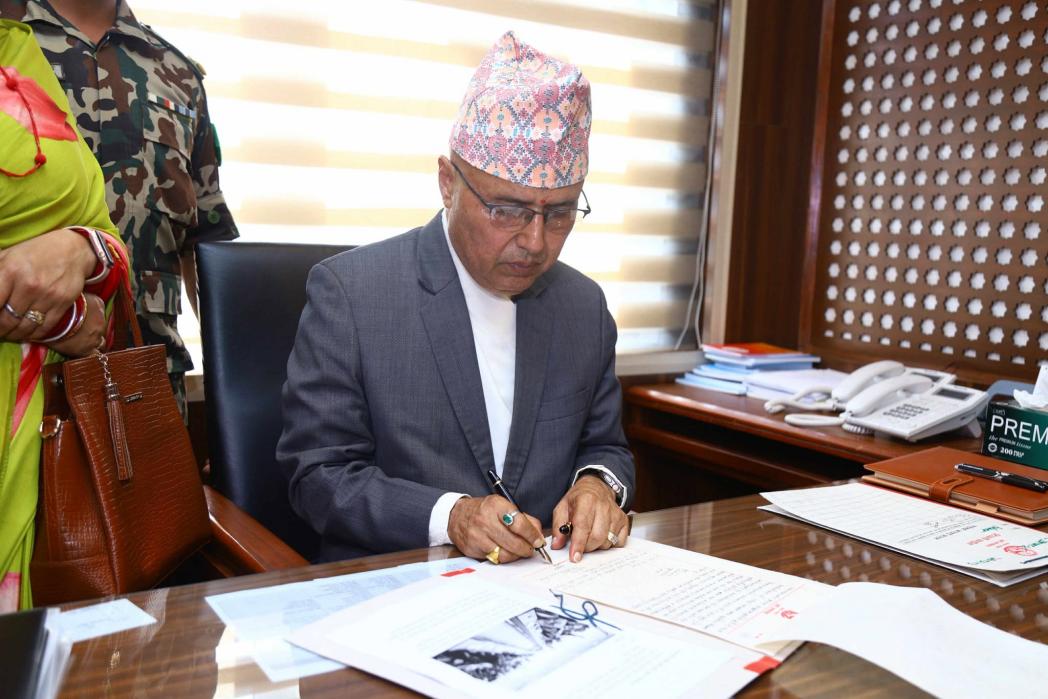
Kathmandu — Nepal may soon witness the formation of a new government under the leadership of senior Rastriya Swatantra Party (RSP) figure Balen Shah, possibly by the end of next week if political negotiations proceed as expected. Unlike traditional parties where internal power struggles often delay government formation, observers say the relatively cohesive structure within the RSP could allow the new administration to function more stably. If political unity holds and no unforeseen disruptions emerge, analysts believe such a government could potentially remain in office for the full five-year term.
However, the durability of a Balen-led administration will depend largely on whether it can respond to the expectations of the young electorate that strongly supported the party’s rise. The new leadership is entering office at a time when Nepal’s economy presents both promising opportunities and serious structural challenges. Economists identify two major opportunities and several significant economic challenges that could shape the government’s trajectory in the coming years.
One of the most favorable conditions for a new administration is the current state of Nepal’s macroeconomic indicators, which have shown improvement compared to previous years. According to recent data released by Nepal Rastra Bank covering the first seven months of the current fiscal year, several key economic indicators have strengthened. Remittance inflows reached around Rs 1.25 trillion, representing an increase of roughly 40 percent compared to the same period last year. In the month of Magh alone, nearly Rs 200 billion entered the country through remittance transfers.
Foreign exchange reserves have also crossed Rs 3.3 trillion, providing enough coverage to finance around 18 months of imports of goods and services. Nepal’s balance of payments currently shows a surplus of nearly Rs 600 billion, while inflation has remained relatively moderate at around 3.25 percent. These indicators provide the incoming government with a relatively stable macroeconomic environment, offering a window of opportunity to implement economic reforms without facing immediate financial instability.
Another factor that could strengthen the new administration is the political environment within parliament. If the government is formed with near two-thirds support, the likelihood of serious parliamentary obstruction may remain limited. Major opposition parties such as the Nepali Congress, CPN-UML and other smaller parties currently hold weaker parliamentary positions compared to the ruling bloc. Political analysts believe that strong public backing combined with limited parliamentary resistance could give the government greater room to implement policy decisions.
Yet despite these opportunities, Nepal’s economic structure presents several pressing challenges. One of the most significant is the large gap between imports and exports. During the first seven months of the fiscal year, imports reached approximately Rs 1.123 trillion, while exports stood at only Rs 168 billion. As a result, the trade deficit has widened to around Rs 955 billion, representing an increase of about 10 percent compared to the previous year. Addressing this imbalance remains a fundamental challenge for any government seeking long-term economic sustainability.
Fiscal management also presents difficulties. Government revenue during the same period reached Rs 665 billion, while expenditure climbed to around Rs 801 billion, reflecting continued pressure on public finances. Closing this fiscal gap while maintaining development spending will require careful economic policy and stronger domestic production capacity.
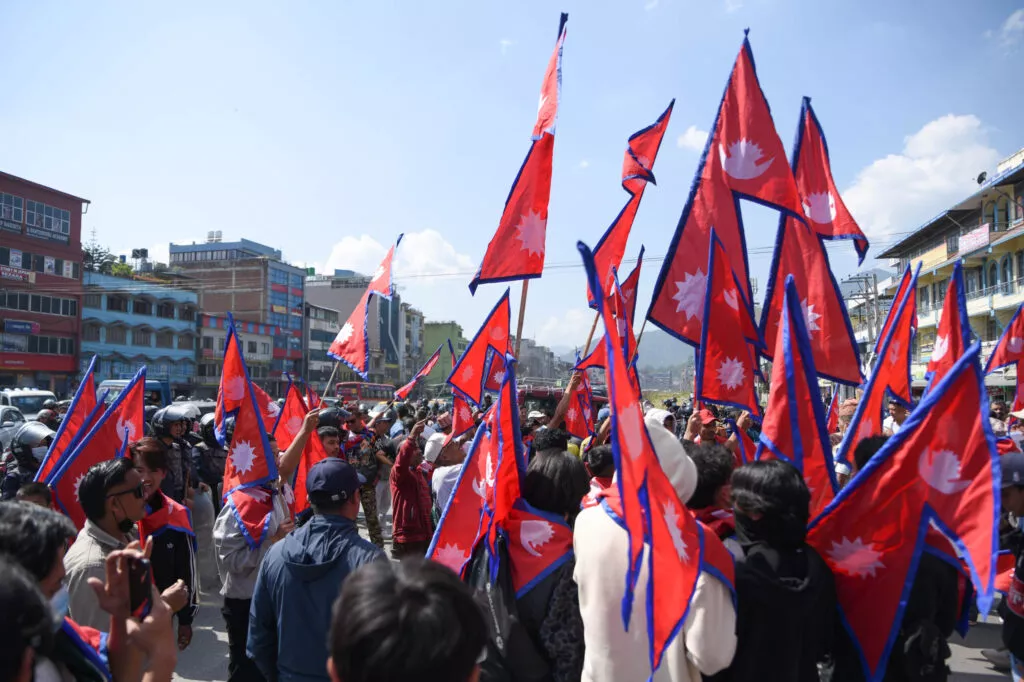
Governance and corruption represent another major challenge. The mass youth protests that took place last Bhadra were largely driven by demands for improved governance and stronger action against corruption. Because the current political shift is closely linked to that public sentiment, the new government will face strong pressure to deliver concrete reforms. Implementing a strict zero-tolerance approach toward corruption could, however, create tensions within Nepal’s bureaucratic system, often described as the “permanent government.”
The challenge becomes even more complex given that corruption allegations and political controversies have historically involved figures across the political spectrum. Balancing institutional reform while maintaining administrative stability will therefore require careful leadership and political skill.
Creating employment opportunities within the country is another major expectation from the younger generation. For many Nepali youths, migration remains the only viable path to economic security. Analysts say reversing this trend will be extremely difficult unless the government succeeds in building a domestic economy capable of generating sustainable jobs. Without meaningful job creation, public expectations could quickly turn into renewed dissatisfaction.
Nepal’s placement on the Financial Action Task Force (FATF) grey list adds another layer of economic risk. The global watchdog placed Nepal on the list about a year ago due to weaknesses in enforcing anti-money-laundering regulations. Countries on the grey list often face stricter scrutiny in international financial transactions, increasing costs and limiting access to global financial systems. Nepal has until January 2027 to demonstrate progress in strengthening regulatory enforcement. Failure to do so could result in further reputational damage or even potential blacklisting, which would significantly affect trade and financial flows.
Nepal’s geopolitical position also presents strategic challenges. Historically described as a country located “between two boulders,” Nepal must maintain balanced relations with powerful neighbors such as India and China, while also managing growing engagement from the United States and European partners. Navigating these relationships without allowing excessive external influence will remain a delicate task for any government.
External economic shocks could also complicate policy planning. The ongoing tensions in the Middle East, particularly conflicts involving Iran and major global powers, have already begun affecting global energy markets. Disruptions in oil and gas supply chains could eventually influence Nepal through higher fuel prices and potential impacts on remittance flows from Nepali workers in Gulf countries. If regional conflicts intensify, the ripple effects could place additional strain on Nepal’s fragile economy.
Beyond external pressures, the new government will also be judged by its ability to implement its own ambitious economic agenda. The RSP’s election manifesto outlines plans to achieve average economic growth of around seven percent over the next five years, raise per capita income above $3,000, and expand the size of Nepal’s economy toward $100 billion. The party has also promised to abolish outdated laws that hinder economic progress and dismantle entrenched syndicates in various sectors.
Yet implementing these reforms may prove difficult in practice. Achieving major structural changes requires cooperation from the civil service, which has historically resisted rapid administrative reform. The experience of Balen Shah during his tenure as mayor of Kathmandu Metropolitan City—where disputes with senior bureaucrats occasionally disrupted administrative functions—illustrates how difficult institutional change can be.
Attempts to dismantle entrenched economic syndicates could also trigger resistance from powerful interest groups. Previous governments that attempted similar reforms faced significant pushback from business networks and political actors.
For many observers, the true direction of a Balen-led government will become clearer during the annual budget announcement on Jestha 15. That fiscal plan is expected to signal the administration’s policy priorities and economic strategy. The real test, however, will come after Shrawan 1, when the implementation phase begins.
Ultimately, analysts say Nepal stands at a critical moment. If the incoming leadership can navigate the structural challenges while capitalizing on the current economic stability, the country could move toward stronger growth and institutional reform. But failure to manage expectations and implement meaningful policy changes could quickly erode the public support that brought the new political leadership to power.