By Dipesh Ghimire
Finance Ministry Sets Three-Year Limit on Multi-Year Project Funding Commitments
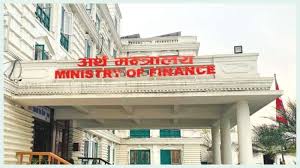
The Ministry of Finance, Nepal has introduced a new policy limiting the funding approval period for multi-year projects to a maximum of three fiscal years. By issuing the “Multi-Year Project Standards, 2082,” the ministry has sought to bring greater discipline and predictability to public investment management.
According to the new standards, funding commitments for multi-year projects will generally remain valid for up to three financial years. However, exceptions have been made for national pride projects and large-scale infrastructure initiatives whose contract periods exceed three years. In such cases, funding approval may be extended in line with project requirements and cost structures.
The ministry has also made it clear that funding approvals will automatically become inactive if procurement processes are not initiated within the same fiscal year in which approval is granted. Officials say this provision aims to discourage delays and prevent projects from remaining inactive despite having secured budgetary commitments.
Under the new framework, a multi-year project is defined as a set of activities with clear objectives, timelines, budgets, and cost estimates. These projects may include national pride projects as well as other long-term development initiatives. Funding approval will be provided by the concerned ministry or agency based on recommendations from the National Planning Commission, Nepal.
To obtain funding approval, ministries and agencies must submit detailed proposals to the commission. These proposals must include project descriptions, cost estimates, budget sub-headings, preliminary and detailed feasibility reports, approved procurement plans, and other relevant documents. Authorities say this requirement is intended to improve transparency and strengthen project evaluation.
The standards specify that only projects with a total cost exceeding NPR 500 million, or government building and service procurement projects exceeding NPR 200 million, will fall under the multi-year funding approval system. Smaller projects will continue to be managed under regular annual budgeting procedures.
Once funding approval is granted, the responsibility for implementation will lie with the respective ministry or agency. These bodies must ensure that resources are allocated within annual budget ceilings and incorporated into the medium-term expenditure framework. In addition, project progress and cost assessments will be regularly updated by both the commission and the finance ministry.
The policy also prioritizes continuity in public spending. When proposing new projects, agencies must first ensure that sufficient budget has been allocated to previously approved multi-year projects. Only after meeting these obligations can they request funding approval for new high-priority initiatives. This provision aims to reduce the growing number of partially completed projects.
For projects financed through foreign assistance, the rules are relatively flexible. If projects are implemented within the limits specified in donor agreements and the government’s counterpart funding obligations, separate funding approval for multi-year procurement will not be required. However, the government’s share must still be included in the medium-term expenditure framework.
The ministry has announced that during the current fiscal year 2082/83, it will focus on streamlining proposal submission, approval, and implementation processes. Officials say this is part of a broader effort to improve coordination among ministries and reduce procedural delays in project execution.
Special provisions have been made for national pride projects, which will be eligible for funding approval throughout their implementation period. Other multi-year projects must have a minimum duration of more than one fiscal year to qualify. Policymakers believe this distinction will help prioritize strategically important infrastructure and development works.
Economists and policy analysts view the new standards as an attempt to address long-standing weaknesses in Nepal’s public investment system. In the past, many projects suffered from funding uncertainty, repeated extensions, and poor coordination, leading to cost overruns and delayed completion.
By limiting approval periods and linking them to performance and procurement timelines, the government hopes to improve accountability and ensure more efficient use of public resources. However, experts caution that effective implementation will be crucial. Without strong monitoring and institutional capacity, even well-designed rules may fail to deliver results.
Overall, the new three-year funding approval framework reflects the government’s effort to bring greater clarity, discipline, and sustainability to multi-year development projects. As Nepal continues to invest heavily in infrastructure and public services, the success of this policy will play a key role in shaping future growth and fiscal stability.