Finance Ministers in Nepali
Former Finance Ministers Push for Structural Reforms as Nepal Prepares New Budget
Ultimately, the discussion revealed a rare consensus among former policymakers on one issue — Nepal’s economic challenges are no longer merely cyclical or temporary. They are structural, institutional, and deeply connected to governance quality, policy credibility, and the state’s ability to execute reforms consistently over the long term.
Dipesh Ghimire
5 min read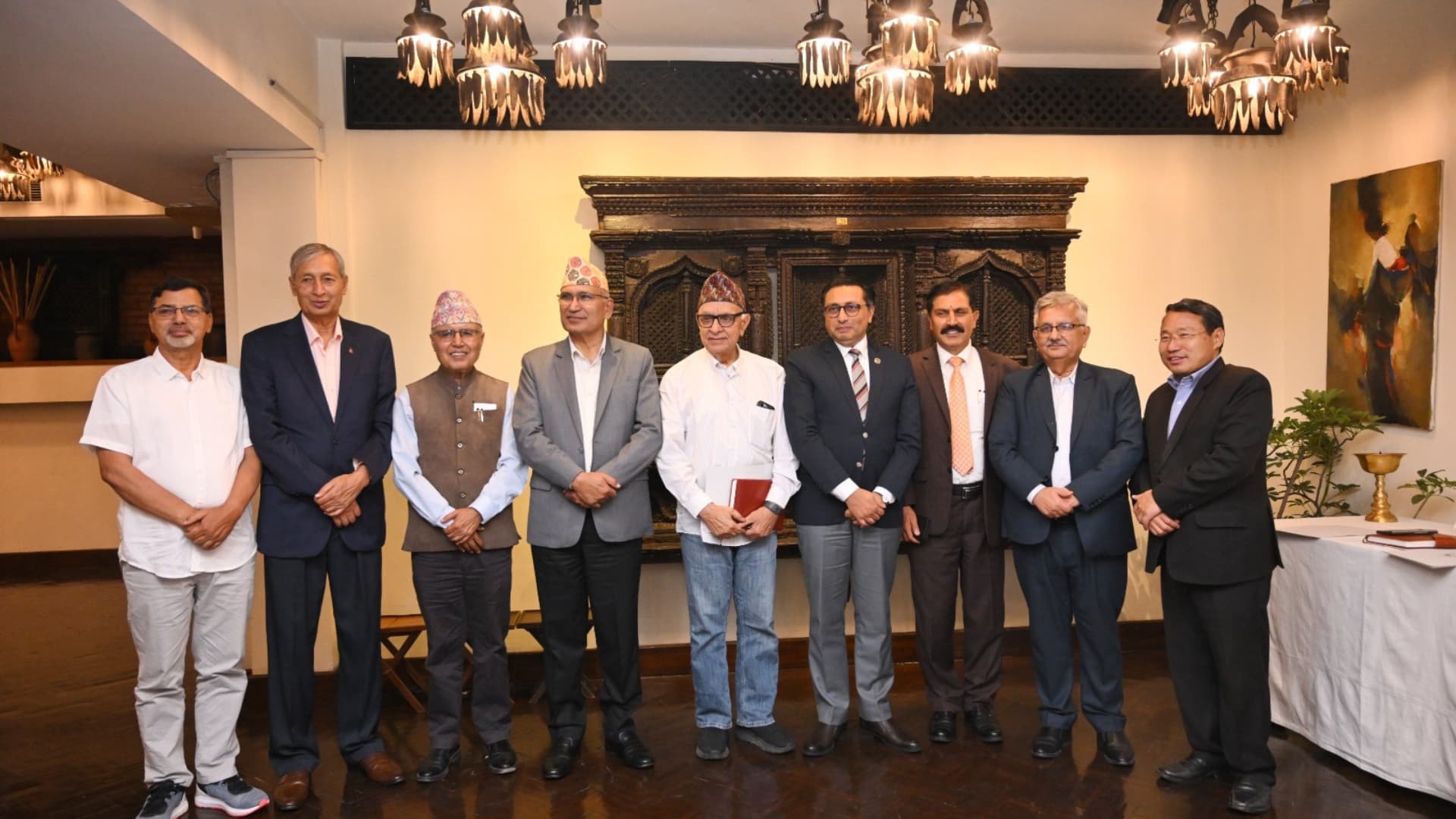
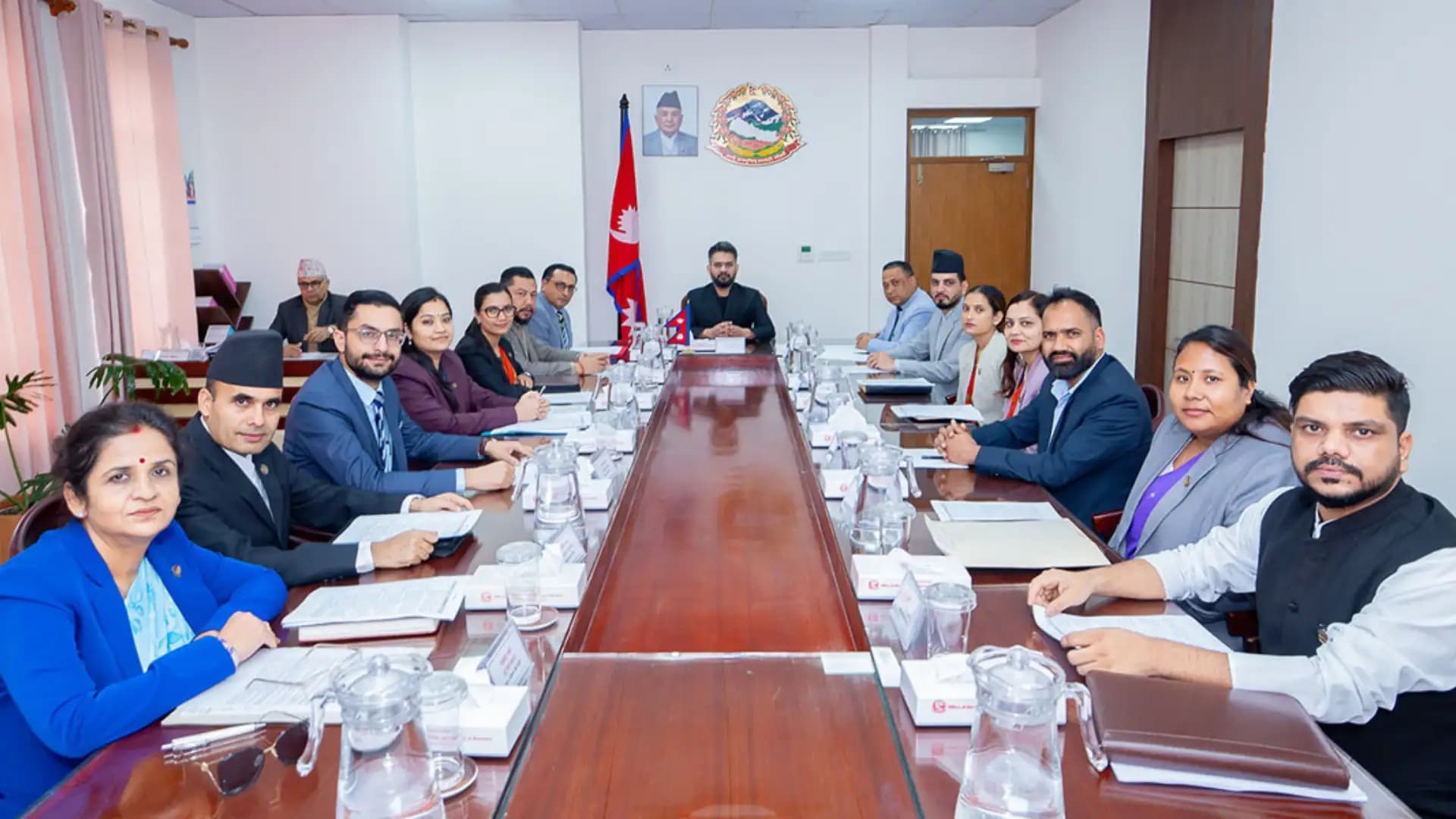
Nepal’s upcoming national budget is increasingly shaping into a battleground between political expectations and economic reality. As the government prepares to unveil the fiscal year 2083/84 budget, Finance Minister Dr. Swarnim Wagle has sought direct consultations with several former finance ministers, signaling growing recognition that the country’s economic challenges now require broader political and policy consensus.
During a discussion program held in Kathmandu on Wednesday, the finance minister invited suggestions from eight former finance ministers representing different political backgrounds and economic philosophies. The interaction reflected not only technical discussion over fiscal policy, but also a deeper debate about the future direction of Nepal’s economy at a time of slowing growth, weak private investment, rising public expectations, and increasing pressure on state finances.
Addressing the gathering, Dr. Wagle acknowledged the difficult circumstances surrounding the upcoming budget. He said the government intends to prepare a budget centered on governance reform, public trust, and improvement in citizens’ living standards while continuing the broader political and economic achievements already established by previous governments.
The finance minister emphasized continuity rather than disruption, stating that the government aims to build upon earlier reforms and successful policies introduced by former administrations. His remarks also appeared aimed at presenting the budget as a national economic document rather than a narrowly partisan political program.
A recurring concern raised throughout the discussions was the widening gap between public expectation and the state’s actual fiscal capacity. Several former finance ministers warned the government against adopting unrealistic revenue targets or politically motivated spending plans that could weaken financial stability.
Former finance minister Dr. Yubaraj Khatiwada strongly advised the government to remain “within the boundary” of fiscal realism. He cautioned against setting overly ambitious revenue growth targets above 15 percent and argued that Nepal’s current economic conditions do not support excessive optimism.
Khatiwada also warned against uncontrolled expansion of social spending and emphasized the need for stronger coordination between the finance ministry and Nepal Rastra Bank. According to him, restoring private sector confidence would be essential if Nepal genuinely hopes to achieve sustainable economic growth near seven percent in the future.
Several participants also stressed that Nepal’s economic problems are becoming increasingly structural rather than temporary. Former finance minister Rameshwor Khanal urged the government to implement recommendations made by previous high-level economic reform commissions instead of repeatedly preparing new reports without execution.
He criticized the long-standing practice of scattering budget allocations across small, politically motivated projects lacking preparation and economic return. Similar concerns were echoed by multiple speakers who argued that Nepal’s development budget has increasingly become fragmented and inefficient.
Former finance minister Surendra Pandey questioned the growing number of so-called “national pride projects,” arguing that the country’s limited resources should instead be concentrated on a smaller number of strategically important infrastructure projects.
Pandey also highlighted land-use reform as a major unresolved issue. He argued that Nepal cannot achieve meaningful industrialization or agricultural modernization without clear classification of agricultural, residential, industrial, and commercial land.
The role of the private sector emerged as another major theme during the discussions. Multiple former finance ministers stressed that Nepal’s economic recovery would remain difficult unless private investment confidence improves significantly.
Former finance minister Dr. Prakash Chandra Lohani argued that the government must create a cooperative environment between the state and private businesses rather than treating entrepreneurs with suspicion. He called for policies that encourage productivity, investment, and industrial growth across small, medium, and large enterprises alike.
Similarly, former finance minister Dr. Prakash Sharan Mahat advocated reducing unnecessary government liabilities and restructuring state-owned enterprises that continue operating inefficiently. He suggested that some public enterprises and unused government assets could be leased to the private sector under controlled arrangements.
Concerns over governance, corruption, and implementation weaknesses also dominated the conversation. Several former ministers argued that large infrastructure contracts, procurement systems, and development projects continue suffering from political interference, inefficiency, and lack of transparency.
Former finance minister Janardan Sharma described the budget as fundamentally a political commitment document. He argued that the government now possesses both political strength and stability, meaning it no longer has excuses to avoid difficult reform decisions.
Sharma called for aggressive reduction in unnecessary government expenditure, stronger protection for private investment, investment in domestic industries, and expansion of skill-based education capable of producing employable youth within Nepal itself.
Natural resources and industrial policy became another area of disagreement and opportunity during the discussion. Former finance minister Bishnu Prasad Paudel argued that Nepal should move beyond political hesitation and begin utilizing mineral resources, quarry industries, and large hydropower projects more aggressively.
Paudel also criticized the traditional budgeting culture in which spending plans are often designed first without realistic assessment of financing capacity. According to him, Nepal requires a more disciplined and results-oriented fiscal structure.
Tourism, agriculture, and regional economic imbalance were repeatedly identified as sectors requiring urgent attention. Former finance minister Barshaman Pun acknowledged that Nepal has built substantial physical infrastructure in recent years but argued that many investments have failed to generate expected economic returns.
Pun proposed stronger investment in tourism infrastructure, hill stations, destination wedding tourism, and regional market systems capable of attracting India’s growing middle-class population. He also emphasized the need to connect rural agricultural production with functioning markets and transportation networks.
Agriculture itself remained a central topic throughout the discussion. Several former ministers argued that Nepal’s dependence on food imports continues rising despite large public dependence on farming. Calls were made for production-based subsidies, market reform, domestic industrialization, and stronger agricultural support systems.
The broader tone of the meeting suggested growing concern that Nepal’s economy is entering a period where conventional political budgeting practices may no longer be sufficient. Rising debt obligations, weak revenue growth, slow private investment, unfinished infrastructure projects, and growing public frustration are placing increasing pressure on the government to produce measurable results rather than symbolic announcements.
Analysts say the consultation process itself reflects recognition within the government that the upcoming budget could carry unusually high political and economic significance. With strong public expectations and relatively stable political backing, the administration may face greater scrutiny over whether it can convert reform rhetoric into practical implementation.
Ultimately, the discussion revealed a rare consensus among former policymakers on one issue — Nepal’s economic challenges are no longer merely cyclical or temporary. They are structural, institutional, and deeply connected to governance quality, policy credibility, and the state’s ability to execute reforms consistently over the long term.
Written by
Dipesh Ghimire
Related News
Nepal’s Economy
7 min read
Nepal's Terms of Trade Deteriorate by 16.9 Percent: Import Prices Surge 24 Percent While Export Prices Crawl at 3.1 Percent
In-depth analysis of Nepal's trade structure and export-import price indices — FY 2082/83, Ten Months (Through Baisakh 2083)
Dipesh Ghimire
·10 Jun, 2026

Nepal’s Economy
6 min read
Trade Deficit Crosses Rs.1,443 Billion: Exports Grow But Imports Outpace Them, China-Bound Exports Collapse by 41 Percent
In-depth analysis of Nepal's foreign trade — FY 2082/83, Ten Months (Through Baisakh 2083)
Dipesh Ghimire
·10 Jun, 2026
Nepal’s Economy
5 min read
Prices Climbing Faster: Nepal's Inflation Crosses Five Percent in Baisakh, Signaling a New Pressure Point
Detailed analysis of consumer and wholesale price movements — FY 2082/83, Ten-Month Review
Dipesh Ghimire
·10 Jun, 2026
Nepal's Economy
5 min read
Nepal's Economy Shows Resilience: Foreign Reserves Surge, Remittances Soar in FY 2082/83
Based on ten-month data (through Baisakh 2083) released by Nepal Rastra Bank
Dipesh Ghimire
·10 Jun, 2026