By Dipesh Ghimire
Karnali Corridor Road Paving Project Brings New Hope to Bajura and Himalayan Communities
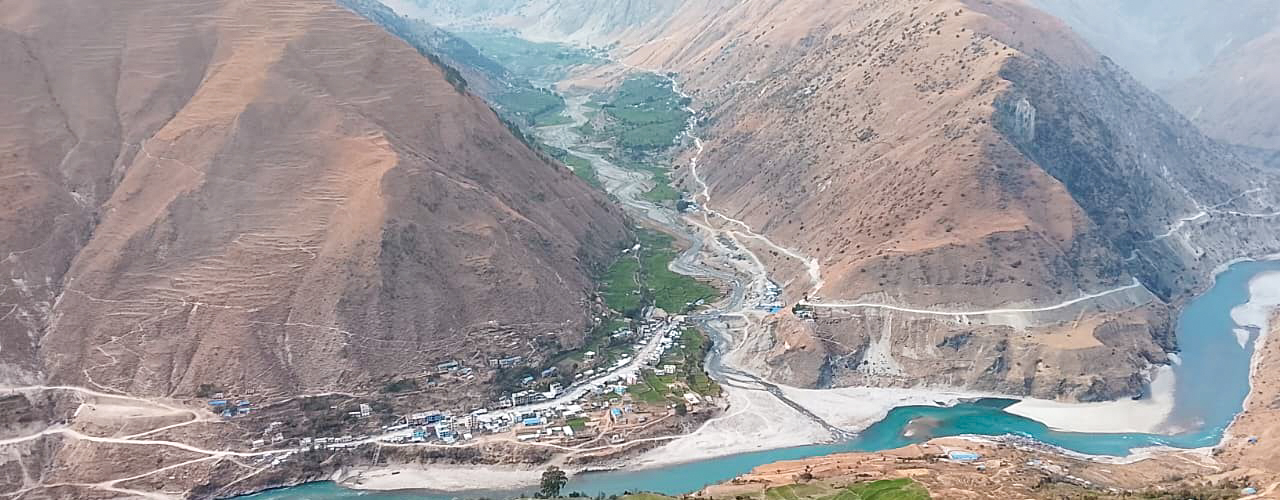
The long-awaited blacktopping of the road section from Pilichaur in Jagannath Rural Municipality to Kawadi in Himali Rural Municipality under the Karnali Corridor has raised new hopes among residents of Bajura and surrounding areas. Considered a key infrastructure project for improving living standards in Sudurpaschim and Karnali provinces, the initiative is expected to transform mobility, trade, and access to basic services in one of Nepal’s most remote regions.
For decades, local residents have endured difficult travel conditions marked by dust in the dry season, mud during monsoon, and frequent risks of accidents. The absence of a reliable road network had isolated communities from markets, hospitals, and educational institutions. With the announcement of blacktopping, people now anticipate safer and faster transportation, reduced travel costs, and improved connectivity with regional and national centers.
According to the construction company PS Construction, the project will be completed within three years at an estimated cost of Rs 1.12 billion. The company has stated that preparatory works are already underway and that priority will be given to maintaining construction quality and meeting deadlines. Local authorities believe timely completion will be crucial in restoring public trust in large-scale infrastructure projects in remote areas.
Residents say the impact of the paved road will go beyond transportation. Jayakrishna Pandey of Himali Rural Municipality said that improved road access will directly benefit education, healthcare, and business activities. “Students will reach schools more easily, patients can access hospitals faster, and farmers will be able to sell their products in nearby markets,” he said. He added that such connectivity would gradually improve household incomes and reduce dependency on subsistence livelihoods.
The Karnali Corridor is regarded as a strategic route linking Nepal’s hinterland with northern border points and major economic hubs. For districts like Bajura, which remain geographically isolated and economically underdeveloped, the corridor is expected to serve as a backbone of regional development. Policymakers see it as a tool to integrate remote communities into the national economy and reduce regional disparities.
Himali Rural Municipality Chairperson Govinda Bahadur Malla believes the project will accelerate development not only in Bajura but across Karnali and Sudurpaschim. He said the corridor would promote market expansion, generate employment, and strengthen tourism activities. “This route will also make travel easier for tourists heading towards Rara and other destinations, creating new opportunities for local businesses,” he said.
Under the Karnali Corridor project, road sections cover about 40 kilometers in Kalikot, 44 kilometers in Bajura, and 113 kilometers in Humla. The Pilichaur–Kawadi stretch alone measures approximately 23.7 kilometers. Officials say completing this section is vital for ensuring continuity of the corridor and improving year-round accessibility.
Economic activities have already begun to increase along parts of the corridor where roads are operational. In Kalikot and Bajura, land transactions have risen, new shops have opened, and small market centers are emerging. Local people report that regular vehicle movement has encouraged settlement expansion and strengthened links between rural producers and urban consumers.
Previously, the lack of road access forced residents to carry goods on their backs for hours or even days. Agricultural products, livestock, and daily necessities were expensive to transport, limiting commercial farming and trade. With blacktopping in place, farmers are expected to expand vegetable farming, animal husbandry, and small-scale enterprises, helping them move toward economic self-reliance.
However, development experts caution that infrastructure alone will not guarantee long-term progress. Effective maintenance, transparent project management, and complementary investments in health, education, and agriculture are equally important. Delays, cost overruns, or poor construction quality could undermine public confidence and reduce the project’s impact.
Despite these challenges, the Pilichaur–Kawadi road project is widely seen as a turning point for Bajura and neighboring districts. If completed as planned, it could significantly improve living standards, strengthen local economies, and bring remote Himalayan communities closer to the country’s mainstream development process.