By Dipesh Ghimire
Separate Bank Accounts Introduced to Enhance Transparency in Election Spending
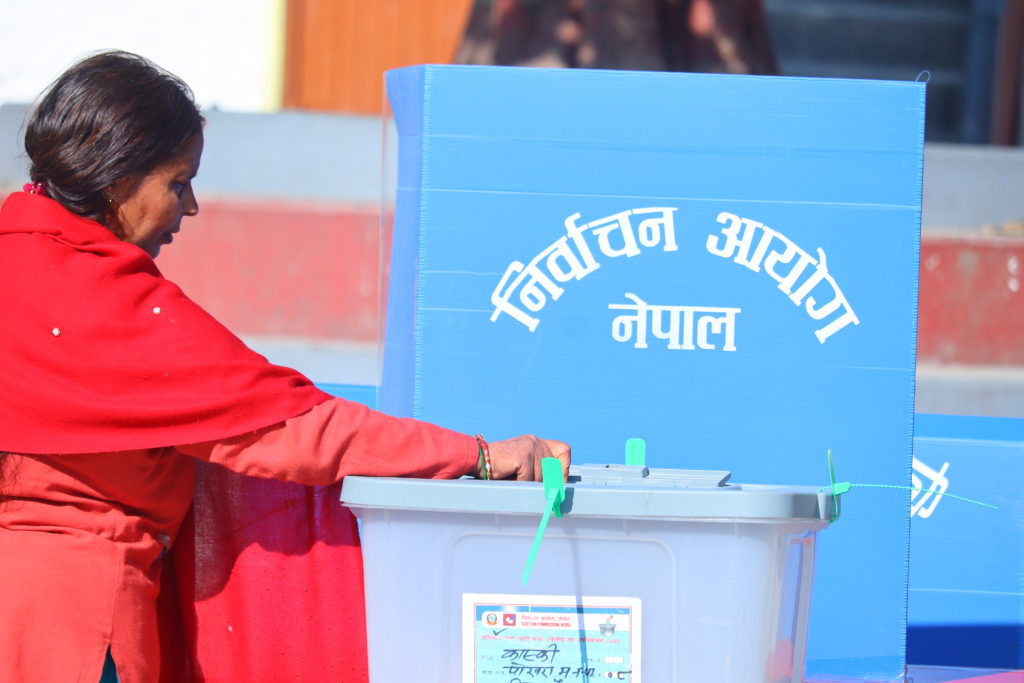
Political parties and candidates contesting the upcoming election scheduled for Falgun 21 have begun opening separate bank accounts to disclose their campaign finances to the Election Commission of Nepal. The move marks a significant step toward strengthening transparency and accountability in election-related spending, as authorities intensify efforts to regulate campaign financing.
According to the Commission, candidates and parties are now required to operate dedicated bank accounts exclusively for election-related income and expenditure. This system is intended to ensure that all financial transactions linked to campaigning are properly recorded and monitored. Officials say the initiative aims to discourage unregulated funding and promote fair competition among candidates.
Assistant Spokesperson Yagya Prasad Bhattarai stated that so far, 454 candidates and four political parties have submitted details of their separate bank accounts. A total of 3,406 candidates, including party nominees and independents, are contesting the election. The Commission expects this number to rise in the coming days as more candidates complete the registration process.
The new provision is based on the “House of Representatives Election Campaign Bank Account (Operation and Management) Procedure, 2082,” approved on Magh 20. The guideline outlines mechanisms to regulate campaign donations and expenses, ensuring that financial support received by candidates and parties is used responsibly. It also encourages cost-effective campaigning, discouraging excessive and wasteful spending.
In addition, the Commission has directed political parties to submit their election manifestos by Falgun 3. So far, three parties have complied with the requirement. Election officials say timely submission of manifestos and financial details is essential for maintaining transparency and public trust in the electoral process.
Legal provisions further reinforce financial discipline during elections. Under the Election Offences and Punishment Act, 2073, candidates and their representatives are prohibited from influencing voters through cash, gifts, rewards, or donations. Similarly, the law restricts candidates and parties from receiving financial assistance from government bodies, public institutions, or non-governmental organizations in violation of existing regulations.
Once separate accounts are opened, candidates are required to transfer any previous campaign-related funds into these designated accounts. Bhattarai said the Commission will instruct candidates to close the accounts within 35 days after submitting their final campaign expense reports. This provision is designed to prevent post-election financial irregularities and ensure proper auditing.
The initiative is also linked to the effective implementation of the Election Code of Conduct, 2082. By enforcing strict financial reporting standards, the Commission aims to make elections more systematic, dignified, and credible. Authorities believe that transparent funding practices will reduce allegations of misuse of money and unfair influence.
For this election, the Commission has set spending limits based on geographical regions, ranging from Rs 2.5 million to Rs 3.3 million per candidate. These limits were published in the Nepal Gazette on Ashwin 31, 2079. Officials say the caps are meant to create a level playing field and prevent wealthy candidates from dominating the campaign landscape.
The procedure also requires that all transactions be conducted in Nepali currency. Once account details are submitted to the Commission and the Treasury and Accounts Controller Offices, related documents and financial records will be kept confidential and protected under existing laws. This provision seeks to balance transparency with data security.
To ensure compliance, the Commission has established a monitoring mechanism to regularly review income and expenditure in these accounts. District-level Treasury and Accounts Controller chiefs have been appointed as monitoring officers responsible for overseeing campaign finances at the local level.
Election observers view the new system as a positive reform in Nepal’s electoral governance. However, they caution that its effectiveness will depend on strict enforcement and timely audits. If implemented properly, the separate bank account mechanism could play a crucial role in reducing money-driven politics and strengthening democratic credibility in the country.